


Be honest: How many times have you snuck a piece of candy, rushed to turn off a show, or hidden a glass of wine because you heard little footsteps coming?
I know I have.
We all want to be the shining examples for our kids, convinced that if we just hide our imperfections, we’re keeping them safe, pure and “good.”
But what if I told you that our carefully curated “perfect parent” act is actually doing the exact opposite of what we intend?
It turns out that in the name of protection, we’re often creating a confusing world for our kiddos, where trust is weakened and mistakes feel forbidden. In fact, there’s an increasing number of studies that show that when we hide our flaws, especially as parents or role models, it doesn’t do kids any favors – it can actually harm their moral development as they grow older.
Here are three reasons why dropping the act for our children is a good thing, according to the experts.
The Silent Teacher
In a recent article in Psychology Today, psychologist Mark Travers, Ph.D., explains that one of the key insights in developmental psychology is that children learn not just from what adults say but also from what they do.
He explains that this idea is central to the “social learning theory”, which illustrates how kids learn a lot by watching others. For example, when parents consistently show honesty, even in tough situations, children are more likely to see honesty as an important value rather than just a saying.
Dr. Travers also points out that when we try to hide our flaws – whether they are minor mistakes or serious problems like addiction or angry outbursts – we create confusion. Kids notice the difference between what we say we believe and how we actually behave. And over time, this inconsistency makes it harder for them to learn to be honest and teaches them that the truth can change based on what’s easier for us, which is the opposite of what we want to teach.
Small Lies Today, Big Problems Tomorrow
Many parents tell their kids untruths for good reasons, like preventing fear, encouraging good behavior or shielding them from hard realities and this seems to happen everywhere. In psychological surveys, most parents confess to lying to their children occasionally, even though they stress the importance of honesty.
However, recent research indicates that even though parents may lie to their children with good intentions, it can have negative effects. Studies on “parenting by lying” show that when parents intentionally mislead their kids about consequences or facts to shape their behavior, it could lead to concerning, long-term results for the children.
Additionally, Dr. Travers pointed to a 2023 study that followed individuals into their young adult years and found that those who remembered being lied to more often by their parents as children tended to lie to their parents more frequently as adults. They also reported poorer relationships with their parents, including weaker emotional bonds and more issues like anxiety and stress.
Additionally, other studies in this area have shown that when parents lie, it can lead to various negative behaviors in their children. Kids who lie earlier and more often may develop issues such as acting out, being aggressive, and facing difficulties in social situations as they grow up.
Clear Head, Clear Heart
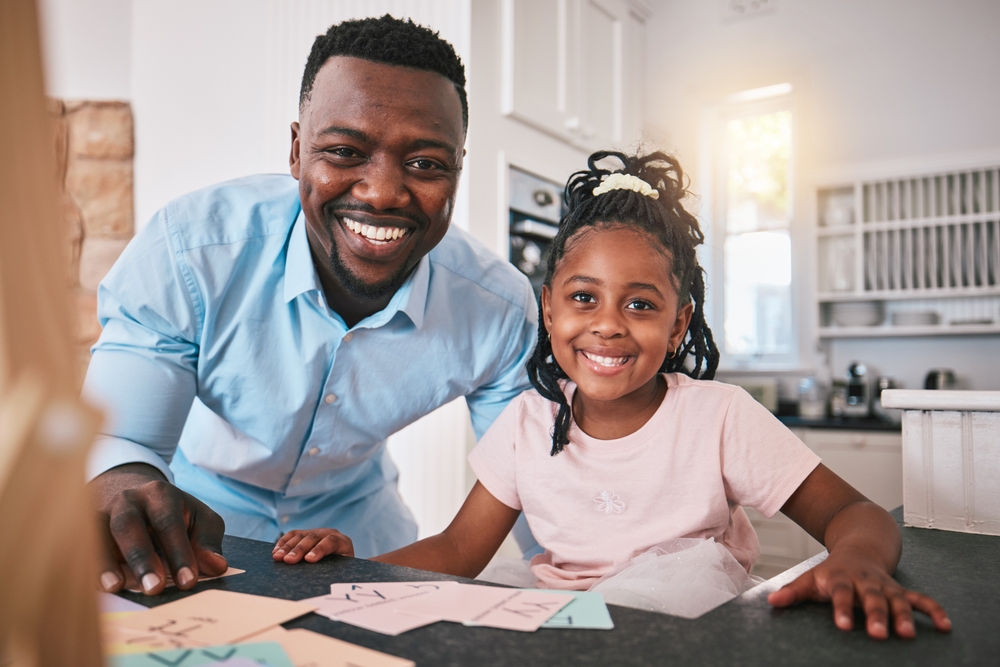
Trust is essential for strong human relationships and it starts in the family. Dr. Travers highlights that research on attachment shows that children require steady and dependable emotional responses from their caregivers to build healthy ideas about relationships, which they will carry into adulthood. If there’s a lack of openness, children might seem to behave well or agree verbally in the short term, but inside, they may learn that being close to their parents depends on ignoring the parents’ flaws.
The Final Takeaway
Being a parent can, oftentimes, feel like a long-term undercover mission to look like we have our lives together. We sweep the crumbs under the rug, we hide our anxiety and we pretend we don’t pick our nails or lose our temper, all in the name of “’being a good role model.” We think we are protecting our children, but we’re actually giving them a skewed view of reality.
The truth is, our babies don’t need us to be perfect. They need us to be human – and finding the courage to show them how we handle our own “bad habits” is one of the most powerful lessons we can give them.