
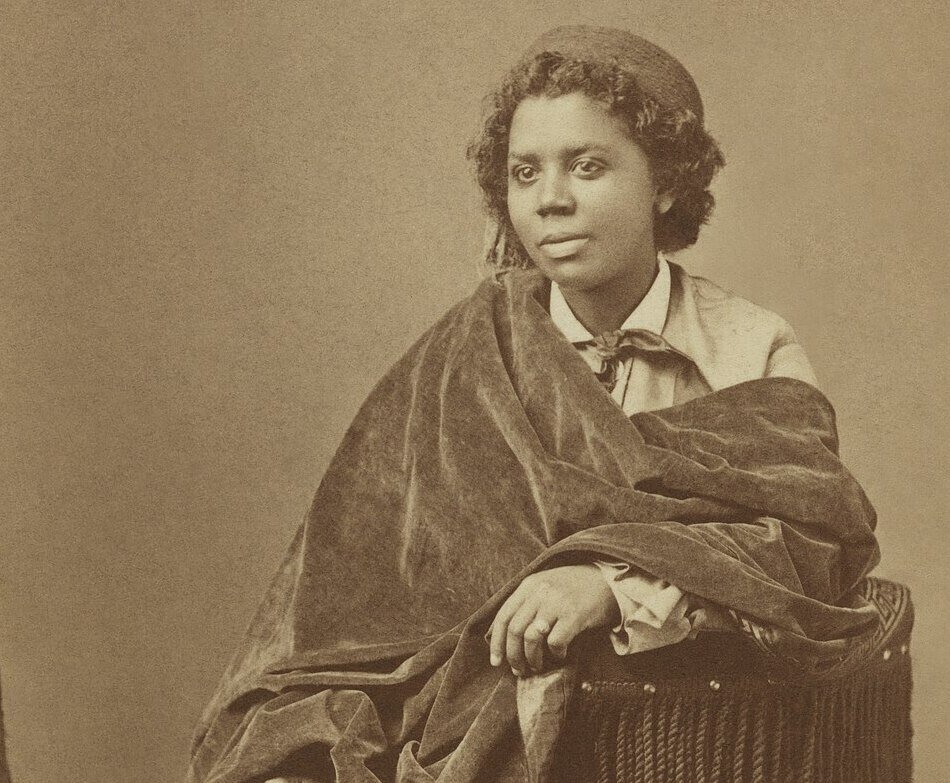
A new exhibit celebrating the work of sculptor Edmonia Lewis is revealing new information about the famed artist’s working process.
On display at the Peabody Essex Museum until June 7, the exhibit, titled “Edmonia Lewis: Said in Stone,” celebrates the impact of Lewis’ work. It unveils new information about the artist’s studio practice. Until now, information on her working process was largely unknown as she stopped making sculptures in the early 1890s.
Through 3D scans of her sculptures, curators traced the process of her work, highlighting three main steps she would have taken in creating them. One of the sculptures used was “The Old Arrow Maker.” Based on an epic poem by Henry Wadsworth Longfellow, the work of art depicts an arrow maker and his daughter and celebrates Native American heritage.
In the 3D scan of the sculpture, the curators found that Lewis created all six versions of the piece with the same clay model. For other works of art, such as “Hiawatha’s Marriage,” she instead used different versions of the clay throughout a decade to create eight pieces.
According to the new exhibit, Lewis would go on to use wood or wire and layer on clay to create a full-size version of her initial sketch in clay. After creating a plaster cast, Lewis would replicate her initial composition in stone.
“Edmonia Lewis transcended national, racial and gender barriers,” said the co-curator of the exhibit, Jeffrey Richmond-Moll, per a press release. “Her body of work asserts a unique voice in the history of American art. This retrospective exhibition places Edmonia Lewis and her sculptures within the context of pressing social concerns of her time and ours.”
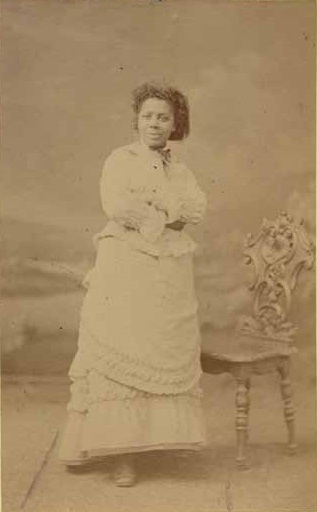
Born in 1844, Lewis is considered to be the first sculptor of Black and Native American descent to gain worldwide recognition for her work.
Born into the Chippewa tribe, she grew up swimming, fishing and selling crafts she made. At the age of 15, she began attending Oberlin College, but after being accused of poisoning, she was forced to leave prematurely. While there, Lewis developed a love of the arts and, after leaving the college, she traveled to Boston, where she studied under professional artists and began painting anti-slavery figures.
By 1865, she traveled to Rome and learned how to create sculptures. A majority of her works shed light on Native American subjects and addressed other figures from her dual heritage.
Little is known about the later years of her life. In 1907, Lewis passed away at the age of 63.