

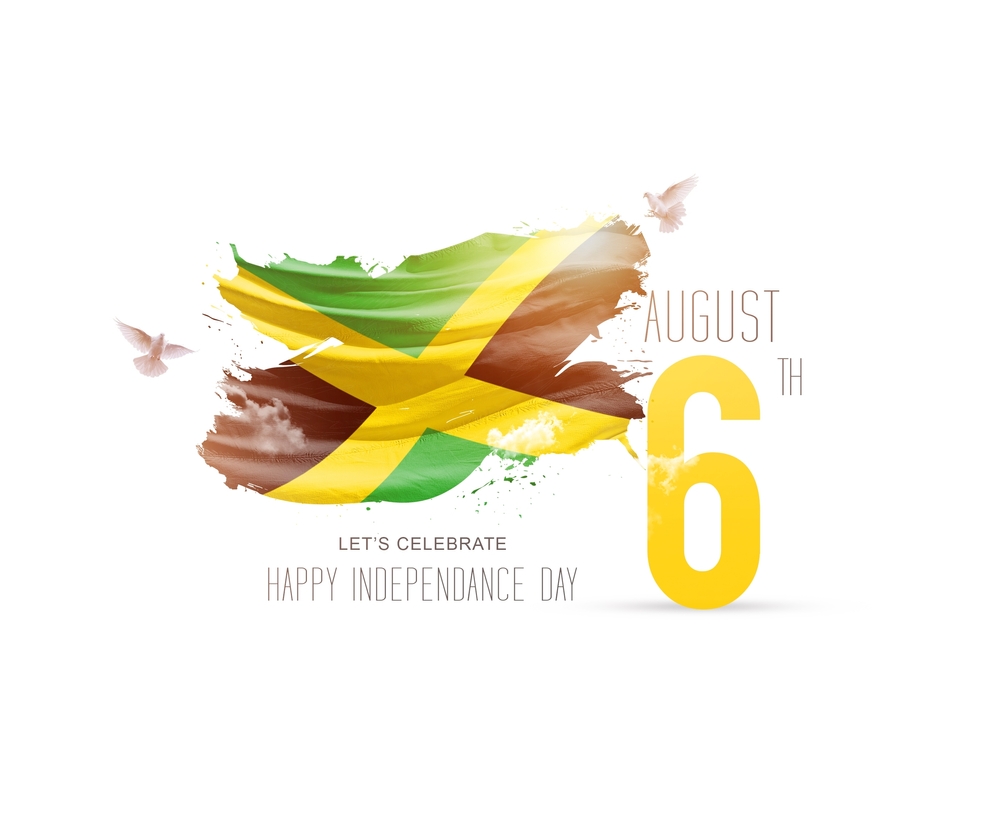
On this day in 1962, Jamaica gained independence from the United Kingdom.
After more than 300 years of British rule, Jamaica became an independent nation and a member of the British Commonwealth.
The journey to independence was long and difficult for Jamaicans. In 1655, British naval forces first entered the country, taking control from Spanish forces. Approximately 161 years earlier, Christopher Columbus claimed the island for Spain during his second voyage to the New World. In 1510, Spaniards settled in Jamaica, forcing Indigenous Taíno residents into enslavement.
Although some scholars maintain that some Taíno culture and heritage remain, a large number of the Taíno residents were killed through enslavement, disease and war with the Spaniards. From an estimated population of approximately 10,000 to 1 million Taíno people, the population dropped to 200 people by 1802. Along with violence and famine, about 70% to 85% of the Taíno population died from diseases such as measles and smallpox.
The Spanish held control of Jamaica for more than 150 years, creating towns such as Sevilla Nueva. Once the British gained control of the island under the Treaty of Madrid, they allowed landowners and pirates to settle in Jamaica. The pirates eventually took to Port Royal, settling in the town to attack Spanish ships carrying gold and silver from Central and South America.
Under British rule, nearly 2 million people from West Africa were enslaved in Jamaica through the trans-Atlantic slave trade by 1807. A small group of enslaved people, known as the Maroons, were able to successfully escape through rebellion and honor their own culture, inspired by West African culture. By 1739, they had succeeded in gaining autonomy.
As the British continued to enslave people to facilitate the trade of products such as cocoa, sugar and other crops, enslaved people, who made up approximately 90% of the island’s population, began to revolt.
While families were split up, many enslaved people on the ships to Jamaica died on the way. The average lifespan for enslaved West African people who did make it to the island was approximately seven years after they first arrived. They were subjected to daily violence, including torture, while others died from being overworked or starved.
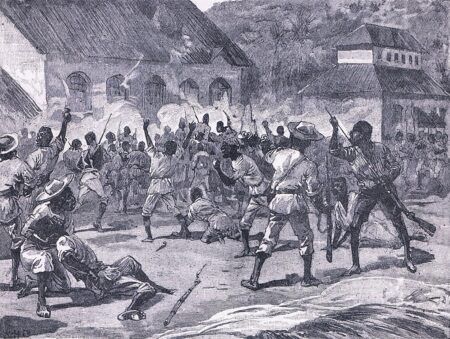
In early April 1760, a revolt was led by rebellion leader Tacky. Although not much is known about him, it is believed that Tacky, whose name translates to “chief” in Akan and Ga, had political and military experience before he was taken from his home by force and made to work on a plantation in Jamaica.
He led the rebellion’s early attacks near Port Maria before being murdered and decapitated. Under the guidance of other rebellion leaders, Tacky’s rebellion lasted nearly two weeks. The fight for freedom spread across the island, with many rebels fighting back in Westmoreland and destroying property. At the end of the revolt, more than 500 Black men and women had died, and another 500 people were sent away from Jamaica.
Tacky’s Revolt led to a variety of new reforms implemented by the British to regain control of Jamaica, including new taxes and military deployments. There was also a significant increase in violence against enslaved people.
The new changes led to significant backlash from the British public and helped provide support for the abolition of the Atlantic slave trade in 1807. Approximately 16 years later, emancipation from enslavement was won. After several rebellions, including the 1831 Christmas Rebellion led by Samuel Sharpe, the British passed the Slavery Abolition Act on Aug. 1, 1833, granting freedom to enslaved people. The process of emancipating everyone in Jamaica lasted approximately five years, officially freeing all enslaved people by 1838.
By the 20th century, after the Crown Colony was implemented to give the governor control of Jamaica, dissatisfaction grew because of the Crown Colony’s poor legislation. The island was marred by riots resulting from significant economic hardships.
As citizens continued to struggle, political parties and labor unions, such as the Jamaica Labour Party, began to gain prominence and call for Jamaica’s independence. Their efforts proved successful. By 1944, a new constitution was implemented by the Jamaica Labour Party-led government, granting all citizens voting rights, creating a two-party House of Representatives and establishing a ministerial system. Following several constitutional changes in 1953 and 1957, Jamaica was able to fully govern itself in 1959.
Two years later, after another win by the Jamaica Labour Party, the British Parliament passed the Jamaica Independence Act on July 19, granting independence to Jamaica on Aug. 6. Sir Alexander Bustamante then officially became the first prime minister of Jamaica.
From July 30 to Aug. 12, a series of events was planned to celebrate the island’s independence. On Aug. 5, during the National Float Parade and flag-raising ceremony, the Union Jack was lowered, and Jamaica’s flag, featuring black, green and gold, was raised for the first time.
The anthem, “Jamaica, Land We Love,” was also sung for the first time.