




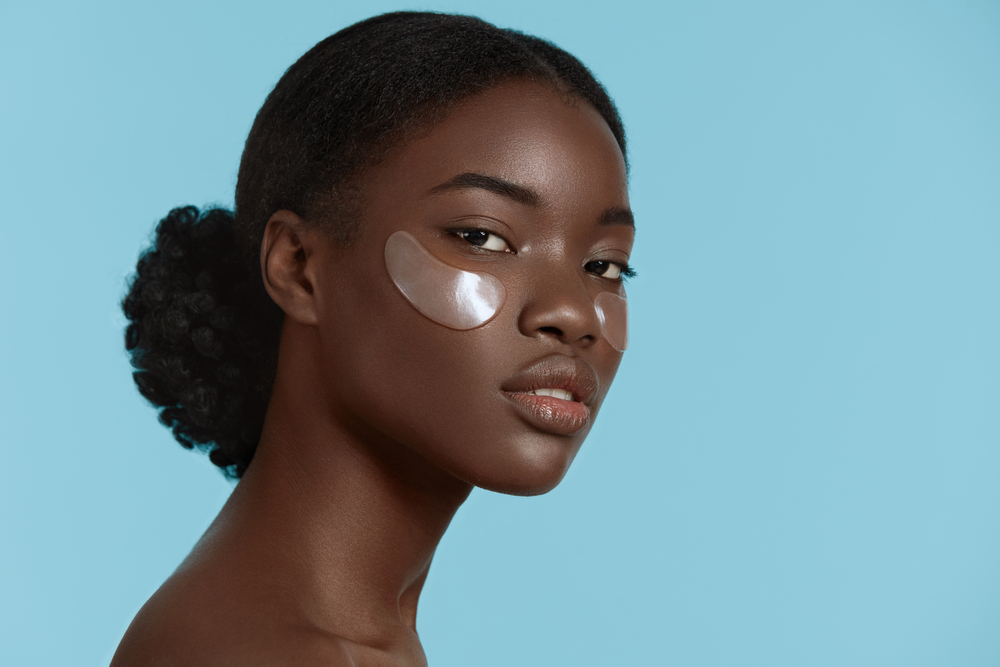
Every journey leaves its mark, and for me, it often shows first beneath the eyes. Long flights, early prayers before the sun, meals at odd hours and sleep broken into fragments, these are the invisible imprints of travel, written quietly on the face while the mind races ahead. Rising before daylight is never optional for many of us; the body obeys schedules it did not choose. The mirror becomes a map, and those shadows tell stories even before words form.
The exhilaration of travel is a feeling I know well. Moving from Senegal to South Africa, a journey that can stretch close to a day and a half in transit, then onward to Nigeria and eventually back to America, the body is asked to adapt faster than it was designed to. In those stretches between continents, every principle of health and wellness becomes less of a suggestion and more of a quiet rule for survival, a lived wisdom that keeps the body from lagging behind the spirit. Travel shakes the regular schedule of life. It stimulates the mind and lifts the spirit in a way that can feel almost intoxicating. There is a rush of novelty, a sense of expansion, a belief that nourishment, sleep and routine can wait.
But physiology does not disappear in the presence of wonder. The dopamine surge that comes with new environments and anticipation is often paired with an increase in cortisol as the body interprets disruption as stress. In that mix, it is easy to feel as though you need less of everything, less sleep, less structure, less care, so long as you can continue taking in what lies ahead. The face, however, remembers what the mind forgets. Under the eyes, the cost begins to show.
Bags under the eyes are often dismissed as cosmetic, a minor inconvenience best concealed with creams or clever lighting. In reality, they are a message. The skin beneath the eyes is among the thinnest on the body and is densely supplied with blood vessels and lymphatic channels. When the body is tired, inflamed, dehydrated, congested or hormonally stressed, this area reveals it first. It is less a flaw than a warning light.
Under-eye bags form through a combination of fluid retention, inflammation, weakened connective tissue and blood pooling beneath the skin. With age, collagen and elastin naturally decline, allowing fat pads beneath the eyes to shift forward. But age alone does not tell the full story. Many young people carry pronounced swelling, while some elders carry very little. Lifestyle, nutrition, sleep timing and internal balance often matter more than the calendar.
Disrupted sleep is one of the most common contributors, not simply too little sleep but poorly timed sleep. The body runs on internal clocks called circadian rhythms. These rhythms act like a schedule, signaling different systems when to activate and when to rest. Cortisol, the hormone that helps us wake and respond to stress, is meant to rise gently in the morning and taper off during the day. When sleep is irregular or shortened, cortisol remains elevated, encouraging inflammation and fluid retention. Melatonin, the hormone that allows deep, restorative sleep, is released at night in darkness. Artificial light, late nights and rapid travel suppress it, making sleep lighter and less effective. Growth hormone, responsible for tissue repair and skin maintenance, is released primarily during deep sleep, and fragmented rest interrupts this repair process. Lymphatic drainage, the system that clears excess fluid and waste from tissues, also slows when rest is inadequate, allowing fluid to settle beneath the eyes.
When the body is asked to wake before the sun without sufficient rest, even for meaningful reasons, the face records the cost. The spirit may be willing, but the tissue tells the truth.
Dehydration paired with mineral imbalance is another culprit. When the body lacks water, it compensates by holding onto fluid, often in soft tissue. Low levels of minerals such as potassium and magnesium interfere with how water moves in and out of cells, leading to fluid being retained in the wrong places. This is why people can drink plenty of water and still wake with swelling beneath the eyes. The issue is not always excess but misdirection.

From a naturopathic perspective, the lymphatic system plays a central role. Unlike blood circulation, which is driven by the heart, lymph depends on movement, breath and muscle contraction. Long flights, prolonged sitting, shallow breathing and sedentary days slow lymph flow, allowing waste and fluid to accumulate. The most delicate tissues show congestion first, and the area beneath the eyes is often the earliest signal.
Food choices leave their mark as well. High sodium intake without adequate potassium encourages water retention, particularly after late or heavily processed meals. Potassium-rich foods such as avocado, coconut water, sweet potatoes and leafy greens help guide excess fluid back into circulation. Vitamin C supports collagen integrity and strengthens small blood vessels, zinc aids tissue repair and silica supports connective tissue resilience.
One of the simplest and most effective external remedies comes from an unassuming source, used tea bags. Green tea and chamomile contain compounds that calm inflammation and gently constrict blood vessels. When chilled and placed over closed eyes, they reduce swelling through cooling while delivering plant compounds directly to the skin. Green tea is rich in epigallocatechin gallate, an antioxidant that reduces inflammation and limits fluid leakage from small blood vessels. Chamomile soothes irritated tissue and supports relaxation, making it especially helpful when puffiness is tied to stress and poor sleep.
Herbal support can also work internally. Nettle leaf and dandelion act as gentle diuretics, helping the body release excess fluid through the kidneys. Unlike harsher pharmaceutical options, these herbs encourage fluid movement without stripping essential minerals when used appropriately. By reducing overall congestion, they can indirectly lessen swelling beneath the eyes. Herbs such as bilberry and ginkgo support small blood vessels and circulation, helping reduce the dark tone that often accompanies puffiness.
There is also a nervous-system dimension. Chronic stress tightens facial muscles, restricts circulation and keeps cortisol elevated. Over time, this creates a facial posture of fatigue even during rest. Practices that calm the nervous system, including breath, prayer, early stillness and time away from screens, allow the body to shift from survival into repair. The face follows.
Awareness itself can become a form of care. Not a restriction on the joy of travel but a way to maximize the experience while minimizing recovery afterward. When we listen to what the body is saying, the journey becomes less taxing and more sustainable.
Bags under the eyes are not an enemy to be erased. They are a record. They tell us how we sleep, how we eat, how we hydrate, how we carry stress and how well we honor the rhythms built into us. When we listen rather than conceal, we are offered a chance to realign.
Before our words, the eyes have already told the story. They are a map of our habits, a mirror of our discipline and a call to respect the body that carries us everywhere we go. And if we do listen, they guide us gently, reminding us that care is not indulgence but alignment. They tell the story of our days, our choices and the rhythms we honor or ignore, and in hearing them, we can move through the world not just far but well.