


The Genius of Black People
Created by Rev. Dr. Otis Moss III, TheHub.news presents its Black History Month series celebrating the genius of Black people—stories of courage, faith and creativity forged in struggle. Inspired by ancestors like Walter Francis White, this series honors sacred memory and lifts up the divine brilliance shaping justice and resilience today.
African Liberation Theology is defined as a way of understanding faith that centers God’s commitment to freedom, justice and human dignity for African and African-descended peoples. Theologian James H. Cone, in his book A Black Theology of Liberation, interprets the Exodus story of Moses as the foundational biblical witness to God’s preferential commitment to the oppressed.
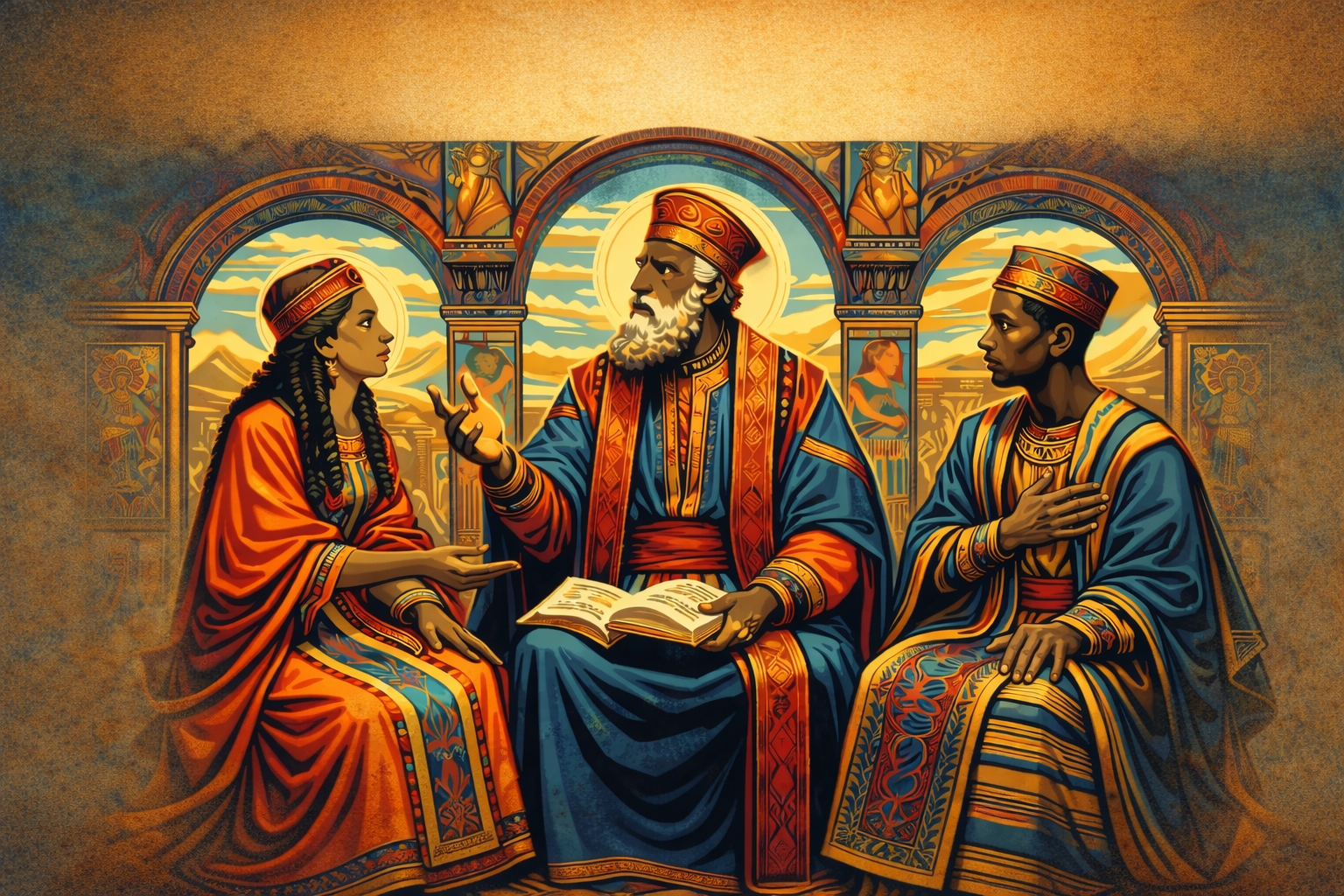
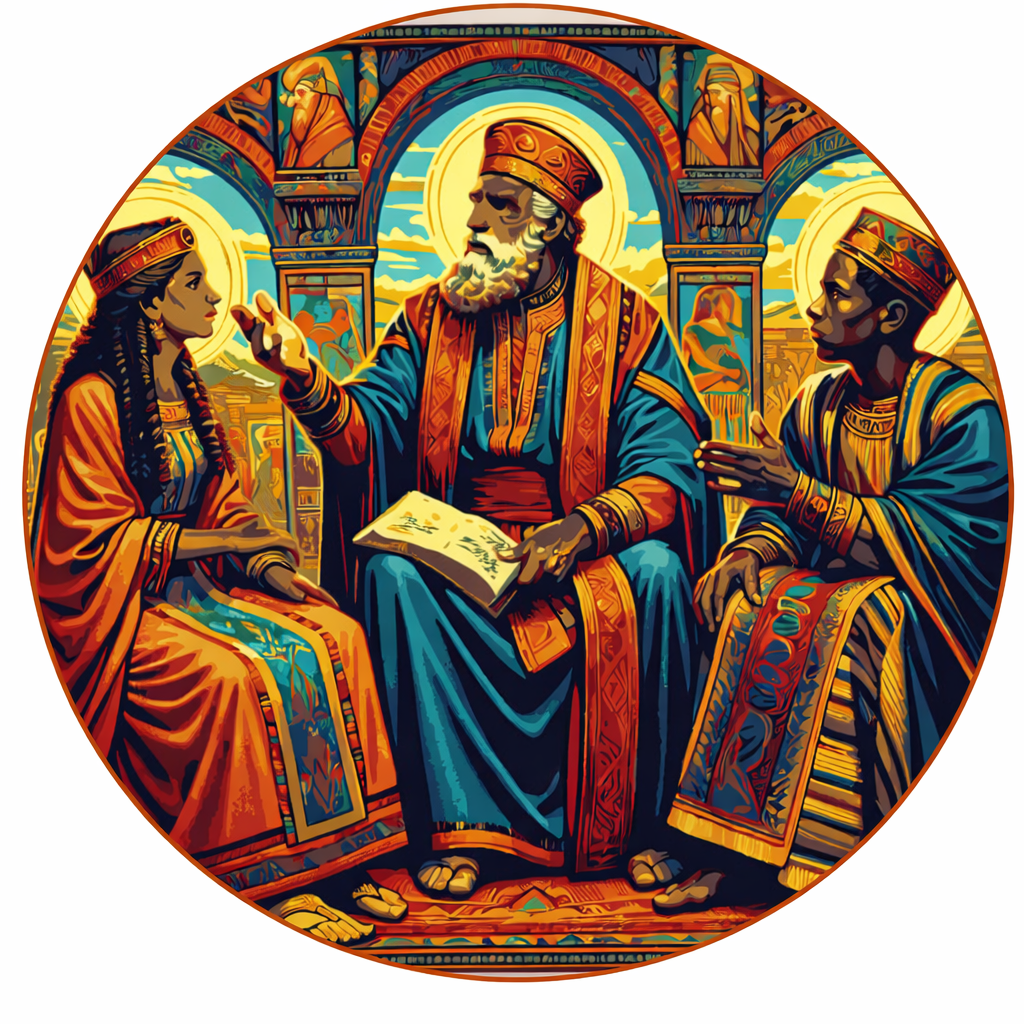
Cone emphasizes that God reveals God’s self through concrete acts of liberation within history, notes that freedom precedes law and worship and shows that liberation is central—not secondary—to faith. The biblical story of Moses, Miriam and Aaron introduces this tradition through a family called by God to lead an enslaved people out of oppression in the African land of Egypt.
Within the biblical narrative of Exodus emerges a powerful trio—Moses, Miriam and Aaron—whose shared leadership forms what can be understood as the first family of African Liberation Theology. Rooted in an African setting (Egypt and the Nile Valley), their story centers the struggle of an oppressed people, the holiness of resistance, and God’s decisive action on behalf of the enslaved. Liberation, in this telling, is not abstract theology; it is embodied, communal and political.
Moses stands as the public leader and prophet, called by God to confront the empire and demand freedom for Israel (Exodus 3–5). Raised in Pharaoh’s household yet born to an enslaved Hebrew family, Moses occupies a liminal space— African geography, imperial power and oppressed identity intersect in his calling. His repeated declaration, “Let my people go,” frames liberation as God’s will, not a human concession. In African Liberation Theology, Moses represents prophetic resistance to systems that dehumanize.
Yet Moses does not lead alone. Miriam, his sister, appears at the very beginning of the liberation story in the book of Exodus, chapter 2. She watches over Moses as an infant, ensures his survival, and later emerges as a prophet in her own right. After the crossing of the Red Sea, Miriam leads the people—especially the women—in song and movement, proclaiming God’s victory over oppression (See Exodus 15:20–21). Her leadership affirms that liberation includes joy, memory, art and the voices of women. Miriam embodies cultural genius and spiritual leadership essential to freedom movements.
Aaron, the elder brother, functions as both spokesperson and priest. When Moses doubts his own voice, Aaron becomes his mouthpiece before Pharaoh (See Exodus 4:14–16). Later, as high priest, Aaron institutionalizes worship, grounding liberation in sacred practice and communal order. In African Liberation Theology, Aaron represents the role of faith leaders who sustain movements spiritually while navigating complex political realities.
Together, Moses, Miriam and Aaron model liberation as a family-centered, community-driven struggle rooted in African soil and divine justice. Their story reminds us that freedom movements require prophets, artists, organizers and priests—working together to confront empire and affirm human dignity.
Explore Rev. Dr. Otis Moss III’s @trinitychgo, and you can also connect with him and explore his work at https://www.otisdream.com.