



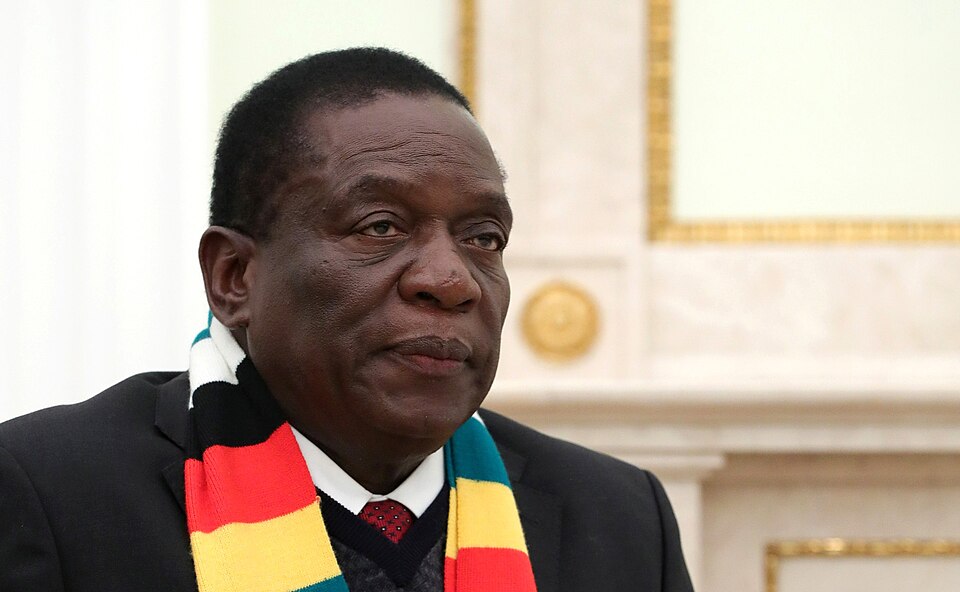
Zimbabwe President Emmerson Mnangagwa announced that he will abolish direct presidential elections, delay the next vote and extend his own term.
Announced in a new government notice issued on Tuesday, July 7, Mnangagwa, who is approximately 83 years old, will serve until 2030 under the new constitutional amendments. Parliament previously approved the amendments in June. Mnangagwa has now signed the amendment into law, postponing the election from 2028.
Elections will also not be decided by public voting. Instead, the lawmakers will choose the president. Terms for presidents and MPs will also be permanently extended from five years to seven years.
Several opponents of the changes argue that to extend the terms, a national referendum must be held. Supporters of the changes, however, argue that although each term is longer, the constitution is not being changed, as two-term limits are still in effect.
The changes to the law are sparking conversations on the older ages of African presidents. As of now, seven of the oldest sitting presidents are leaders of African nations.
“The population in Africa is getting younger, but the average age of presidents is rising, and tenures are getting longer,” said researcher Blessing Vava per AP News. “Zimbabwe is not an exception. It’s the continental norm. Zimbabwe is just one data point in a much broader story of constitutional erosion for political survival.”
Opponents of the amendments announced publicly on Wednesday that they will seek to challenge the changes.
Members of the People’s Coalition called for citizens to protest, while lawyers will reportedly file a case challenging the legality of the amendments, alleging they violate the Constitution. Created last week, the People’s Coalition’s main objective is to oppose Constitution Amendment Bill No, 3.
Politician Nelson Chamisa also publicly opposed the changes, calling on citizens to organize.
“One thing has become unmistakably clear: the unelected and unelectable fear the collective voice of the citizens. This is a defining moment for every citizen,” said Chamisa per a Facebook post. “We can choose to stand together in pursuit of justice, accountability, and the government we desire and deserve, or remain divided and risk allowing our shared challenges to worsen and deepen. Today, we face a common challenge: oppression.”
A member of the Movement for Democratic Change, Chamisa was elected as the Citizens Coalition for Change’s presidential candidate in the 2023 Presidential election in Zimbabwe. During that election cycle, he lost the ballot to the sitting president, Mnangagwa.
In a blog post, members of the Human Rights Foundation accused Mnangagwa’s regime of hijacking the election.
Published by Senior Policy Officer Mohamed Keita, the blog post outlined changes to the electoral commission prior to the election. In 2022, Mnangagwa reportedly swore in six new members into the Zimbabwe Electoral Commission, which has previously been accused of manipulating the election and is closely related to the ZANU-PF party.
Along with obtaining support from international celebrities and coercing leaders such as the traditional chiefs to vote for him, Mnangagwa was accused of banning opposition campaign meetings, increasing fees to place a ballot and enacting anti-free speech laws.
After the election was won by ZANU-PF in a 177-280 vote, the regime was also accused of “illegally recalling” 15 newly elected CCC parliament members and 17 local government councilors.
“Whatever tomorrow holds will be shaped not by the actions of a few, but by the resolve, courage, and unity of many. History has shown that lasting change is built through citizens’ solidarity, perseverance, and a steadfast commitment to change and transformational peaceful action,” said 2023 opponent Chamisa. “The future of Zimbabwe belongs to us. We are organizing. Be and get ready.”