




These days, it’s pretty clear that mental health challenges can stem from a blend of factors, including physical differences in our brains and bodies, our genetic makeup and the various experiences we encounter throughout life.
But did you know that what you eat and how your body processes it can have a significant impact on your mental well-being, too?
A growing number of studies are showing that iron is an important nutrient for emotional fitness, and not getting enough of it can also lead to emotional and psychological disorders. What’s also surprising is how often healthcare providers overlook this when assessing patients with depression or anxiety, leaving a significant gap in holistic care.
Dr. Stephanie Weinberg Levin, a psychiatrist at Michigan Medicine, the University of Michigan’s integrated academic health network, is also a psychiatrist at the VA Ann Arbor Healthcare System, and is shining a much-needed spotlight on this connection. She points out that both patients and doctors might not fully realize how iron deficiency can play a critical role in mental health.
During her fellowship in integrative psychiatry, she conducted an in-depth exploration of this topic in collaboration with former psychiatry resident Dr. Theresa Gattari, with the goal of sharing their findings with other psychiatrists. The key takeaway?
When your body is low on iron, it can lead to fatigue and irritability, which are often mistaken for just being tired or stressed out. However, this impact on mental well-being can go deeper, contributing to anxiety and depression.
While eating foods rich in iron is important for everyone (most people generally do not get enough of it), it is especially essential for specific demographic groups. In particular, Black individuals, mainly Black women, experience much higher rates of iron deficiency and anemia compared to other racial groups in the United States. This is often due to factors such as heavy menstrual bleeding caused by fibroids, chronic inflammation and disparities in healthcare access. This is critical to note because iron also plays an important role in producing hemoglobin, which carries oxygen in the blood; and this oxygen is vital for brain function.
How can we get a handle on this?
Doctors Levin and Gattari recommend that if you’re struggling with mental health issues orfinding yourself in a persistent low mood, losing interest in things you used to enjoy or feeling constantly fatigued and irritable, it’s worth considering your iron levels.
Symptoms like subtle changes in sleep and appetite, feelings of hopelessness or worthlessness and difficulty concentrating might be more than just everyday stress – they could point to an iron deficiency.
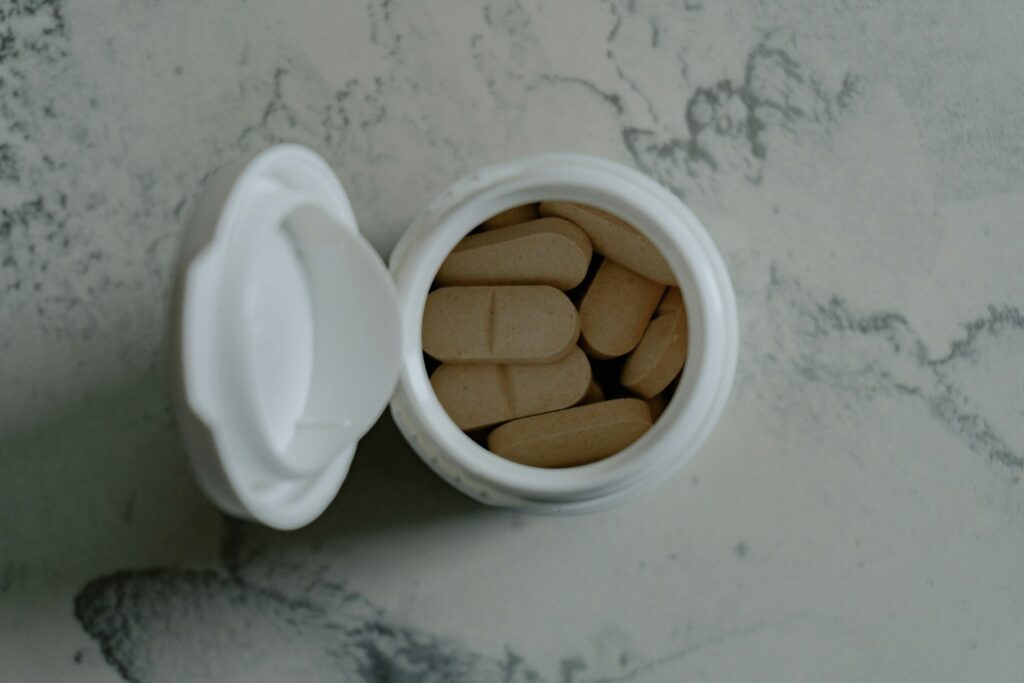
They suggest asking your doctor for a ferritin test – it specifically checks your iron levels. If the results come back low, boosting your iron intake through iron-rich foods or supplements (as recommended by your healthcare provider) can be a game changer.
“Iron is the most common nutrient deficiency and can have a big impact,” Dr. Levin says. “You can be iron-deficient without having anemia, but many mental health care providers aren’t aware that iron deficiency by itself has been linked to worse symptoms, or that supplementation has been linked to improved symptoms. But there is evidence there.”
She explains that primary care doctors usually don’t test for iron levels unless a patient shows signs of anemia or has a health issue or treatment that can change their iron levels.
“We don’t always go looking for nutrient deficiencies, but they can really take a large toll on well-being,” she says, also calling out that understanding how nutrients affect mental health goes hand in hand with what we are learning about the importance of other indicators like stress, sleep and exercise.
With this in mind, Levin encourages people who already have a diagnosis of a mental health condition to have an open chat with their health care team about the possibility of getting tested and exploring the option of taking supplements. Mental health is a complex puzzle, and sometimes, the right nutrients can also make a difference in how we feel.
She also highlights that while most of us know iron primarily for its role in helping red blood cells transport oxygen, it’s also a key player in brain function. This essential mineral is crucial for creating neurotransmitters like serotonin, dopamine and norepinephrine – chemicals that greatly impact our mood, emotions and overall mental well-being. Without sufficient iron, our bodies can struggle to produce these important brain chemicals, potentially leading to issues like fatigue, mood swings and even more serious mental health challenges.
Recent data supports this: a study revealed that patients with iron deficiency anemia also have higher rates of anxiety, depression, sleep problems and serious mental disorders. Additionally, smaller studies on individuals experiencing their first episode of psychosis suggest that more severe symptoms are linked to lower iron levels. Plus, levels can cause fatigue, a symptom that can contribute to a diagnosis of depression.
Furthermore, Levin stresses the importance of measuring ferritin levels because they show how much iron is stored in the body. Ferritin is a protein that houses iron, making it accessible when the body needs it. Regular blood tests for iron only measure the iron circulating in the blood, while hemoglobin tests focus solely on iron-rich proteins responsible for transporting oxygen. Given this, she suggests that individuals with mental health issues and certain risk factors should get tested for ferritin levels. These risk factors include pregnancy, being a young child, experiencing heavy menstrual bleeding, frequently donating blood, having cancer, undergoing gastrointestinal surgeries or dealing with digestive problems and managing heart failure.
The Bottom Line
While you might be thinking of iron in terms of physical strength and energy, don’t underestimate its significance in keeping our minds sharp and sound, too!
Think about it – our brains are made up of fatty acids, vitamins and minerals, all of which come from our diet. It’s like fueling a car; if you put in high-quality gas, it runs smoothly, but if you fill it with junk, it sputters and stalls.
Low iron levels can lead to fatigue, brain fog and even mood swings, making it harder to concentrate and think clearly.
So, while you’re mapping out your self-care this year, consider taking a closer look at your iron levels.
They just might be the key to unlocking a more vibrant and balanced you.