



For Women’s History Month, The Hub News is honoring powerful Black women in history who have helped shape the modern world.
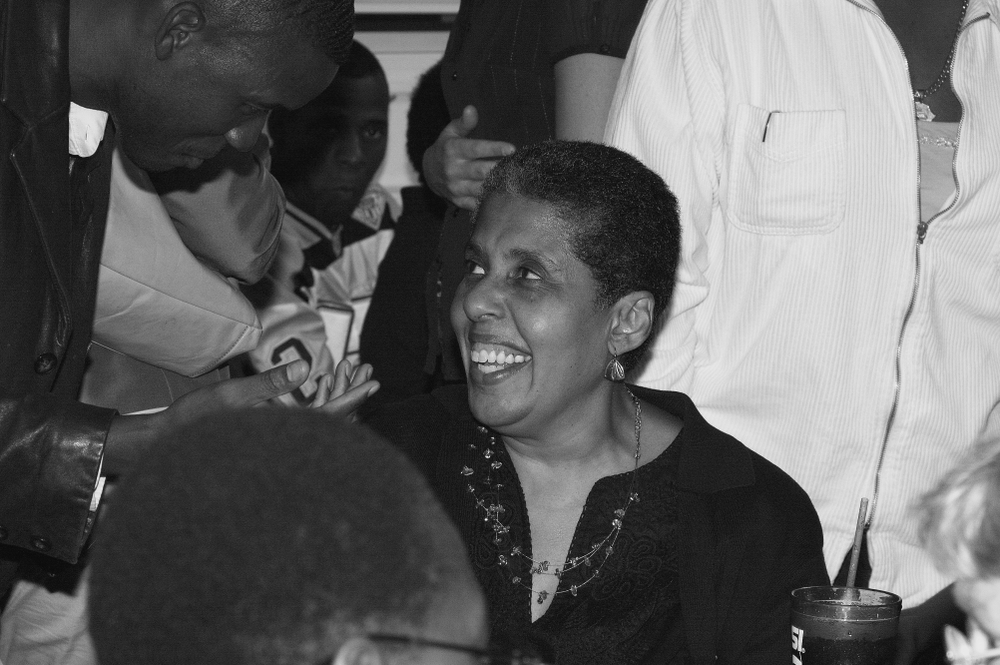
This week, we’ll be commemorating the life of Barbara Smith, a pioneer in Black feminism and LGBTIQA+ activism.
Born in 1946 in Cleveland, Ohio, Smith was raised by her mother, Hilda Smith, her maternal grandmother and her great aunt alongside her twin sister. At the age of nine, her mother passed away, leaving both twins in the care of their grandmother and great aunt.
Throughout her childhood, Smith’s mother emphasized the importance of education as the first person in their family to earn a degree. Although they did not have formal degrees, Smith’s grandmother and great-aunts were previously teachers in the South before they moved to the North.
When Hilda passed away, the children’s family members continued to support her wish, providing Smith with a college education.
In 1969, Smith graduated from Mount Holyoke College with a bachelor’s degree in sociology and English. Two years later, in 1971, she earned a Master’s degree in literature from the University of Pittsburgh.
Throughout her high school and college years, Smith and her sister became involved with the civil rights movement, participating in several protests throughout the 1960s. Based on their experiences with movements such as the civil rights movement, Black nationalism and the Black Panthers, the sisters founded the Combahee River Collective alongside Demita Frazier.
Named after an operation led by Harriet Tubman at the Combahee River, the collective was born out of a meeting at the National Black Feminist Organization, a group that highlighted the inability of white-led feminist groups to factor in the racism that Black women in the U.S. face. With their opposition to capitalism and desire to prioritize a non-hierarchical community, the women quickly broke off from the National Black Feminist Organization through founding the Combahee River Collective.
Prominent members included Margo Okazawa-Rey and Chirlane McCray alongside the Smith sisters. Other feminists who associated with the group included Audre Lorde, Cheryl Clarke and Akasha Hull. As part of their group, the women created a sense of community, developing intellectual pursuits. Together, they addressed issues such as domestic violence, sexual assault, police brutality, health care and desegregation in schools.
The women also acknowledged reproductive justice, broadening the issue from abortion rights into the right to have children as part of reproductive autonomy.
In April 1977, Smith and the other members of the collective released a statement detailing their beliefs.
Now considered to be one of the most important writings in the history of Black feminism, the statement addressed the connection between class oppression, heterosexual opression, racial and sexual oppression. It acknowledged that any movement that does not work against all of these forms of oppression does not have the best interests of Black women at heart, championing an idea similar to intersectionality.
The statement also provided their opinion on class, advocating for a Marxist system that factored in “the real class situation of persons who are not merely raceless, sexless workers.”
The collective statement was also revolutionary in the sense that it was the first time Black feminists expressed their sexuality. The group embraced their lesbian identities but sought to distinguish themselves by refusing to exclude men on account of their biological sex.
“Above all else, our politics initially sprang from the shared belief that Black women are inherently valuable, that our liberation is a necessity not as an adjunct to somebody else’s may because of our need as human persons for autonomy,” wrote the collective. “This may seem so obvious as to sound simplistic, but it is apparent that no other ostensibly progressive movement has ever considered our specific oppression as a priority or work seriously for the ending of that oppression.”
In 1979, two years after releasing their statement, the CRC raised awareness about the murder of 11 Black women and one white woman within five months. Alongside other groups, they organized a 500-person march against sexual violence in Boston, drawing attention to the racial, gender and class aspects of the murders while providing safety information for BIPOC women.
A year later, the CRC officially disbanded. In the aftermath of the collective’s end, Smith pursued publishing opportunities after realizing there were few pathways for BIPOC women seeking to publish scholarly work. The same year, she and colleagues, including Lorde, founded Kitchen Table: Women of Color Press.
Considered the first publishing company for books by BIPOC women, Kitchen Table’s success, through the publication of books such as “Home Girls: A Black Feminist Anthology,” led more mainstream publishers to pick up and publish works by BIPOC scholars.
Since founding Kitchen Table, Smith has continued to publish as well as teach. Also a writer-in-residence, she has been a guest professor and lecturer at a number of universities and other learning institutions.
In 2005, Smith officially began her political career, winning election to the Common Council in Albany. That same year, she was nominated for a Nobel Peace Prize.
Still currently active, Smith’s work has been published in a variety of notable publications, including the New York Times and The Nation.