


Naomi Osaka has really set things off at the 2026 French Open.
First, she “dared” to wear a custom sparkling metallic gold bomber jacket with an ivory train as she walked to the court to face Laura Siegemund of Germany, who, after losing to Osaka 3-6, 6-7, complained it took too long for Osaka to undress and start the match.
“I came here to play tennis, not to put on a fashion show,” said Siegemund. “If other people want to do a fashion show, they can do that. It’s fine for me.”
Obviously for Siegemund, who also complained that big name players receive special treatment, the fashion show was fine but the loss wasn’t.
But for Osaka, the Grand Slam Tournaments are about putting on a show, so she was going to do her thing regardless of what her opponents might think.
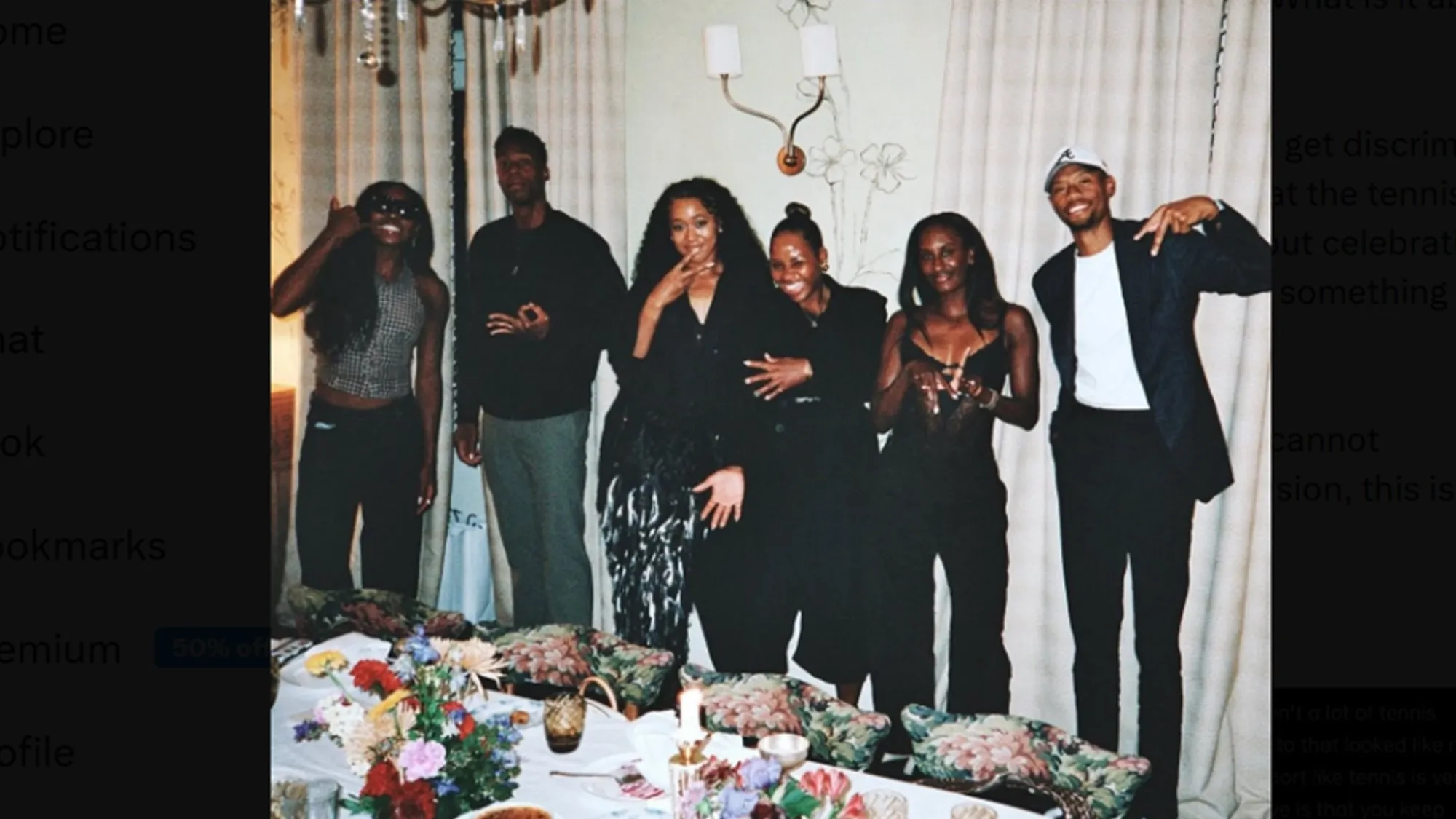
Yet the criticism of her outfit was nothing compared to the outcry that erupted after she hosted the “Black Party RG Edition” (Roland Garros) dinner for Black players and talent.
The event, co-hosted with fellow star Taylor Townsend, was created as a way for Black individuals in the sport to bond and build and enjoy community in an overwhelmingly white sport.
Those in attendance included Osaka, Townsend, Coco Gauff, trailblazing French player Gaël Monfils, who announced his retirement after this season, former player Chris Eubanks and others.
It was an intimate celebratory dinner, yet some couldn’t handle it and took to social media to whine, exposing the problem many have anytime an all-Black gathering happens.
But Naomi offered zero regret and rightfully so.
“You know I’m seeing a little bit of- ‘Why can’t you love everyone for all skin tones?’ and ‘what if someone had an all white party?! First of all I do love everyone for who they are no matter their race + ethnicity, (I’m literally half Japanese lol),” posted Osaka Instagram. “I can only speak from my experiences in my own life though, growing up as a tennis player I didn’t see many people that looked like ME and I feel like it’s important to celebrate them.”
When Black people in white spaces gather together, it creates a sense of unease for some. It exemplifies the entire premise of Dr. Beverly Daniel Tatum’s classic book, “Why Are All The Black Kids Sitting Together In The Cafeteria”?
We’re witnessing similar feelings expressed, to a much more diabolical degree, in the efforts to eliminate Black voting districts in red states.
It’s all based on the discomfort and a fear of seeing Black people gather.
“What are they doing?” and “What are they plotting?” and some of the questions that run through the minds of some in these situations.
But Naomi was like “whatever” to her critics.