




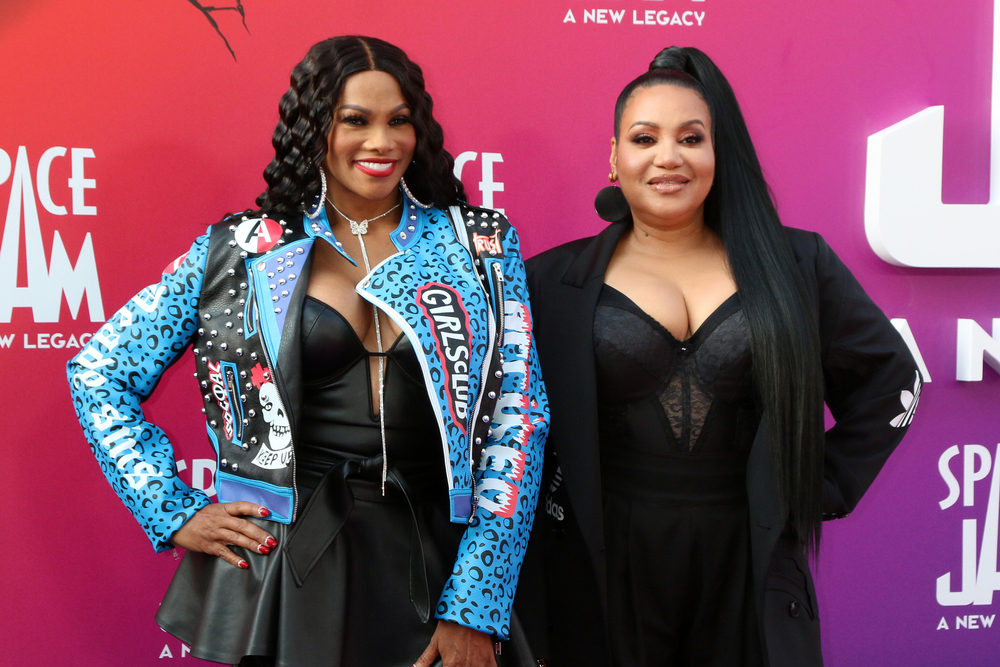
Last week, on January 8th, a Manhattan federal court made a shattering ruling regarding pioneering hip-hop titans Salt-N-Pepa.
The court rejected the rap group’s bid to own the copyrights to the master recordings or “masters” for their classic hit, Push It, along with other songs from Universal Music Group (UMG).
As reported by Reuters, U.S. District Judge Denise Cote stated that Salt-N-Pepa’s original agreement with UMG in 1986, which gave UMG ownership of the masters, still stands valid and enforceable under copyright laws.
A spokesperson for UMG said that, “Even with the court’s complete rejection of their claims, we remain open and willing to find a resolution to the matter and turn the page so we can focus our efforts on working together to amplify Salt-N-Pepa’s legacy for generations to come.”
Attorneys for Salt-N-Pepa did not immediately reply to the British news agency’s request for a comment about the decision, but representatives for the group have issued a public statement that they fully intend to appeal the court’s decision, adding: “We remain committed to vindicating and reclaiming our rights as creators under the Copyright Act.”
Those of us of a certain age know firsthand how Salt-N-Pepa, made up of rappers Cheryl James and Sandra Denton, along with DJ Deidra Roper, delivered a remarkable string of chart-toppers in the late ’80s and early ’90s, and their influence has, no doubt, been profound. So it’s a bit shocking to realize that this iconic trio, who brought us timeless hits like Push It, Shoop and Let’s Talk About Sex (and who are even Rock & Roll Hall of Fame inductees!) do not have ownership of their own music.
This situation not only hits home for us fans who grew up blasting their tracks but more importantly, it’s an enormous blow to Salt-N-Pepa themselves because it underscores the complicated nature of copyright law in the music industry and the ongoing struggles that artists face in retaining control over the financial and creative fruits of their labor, even decades after their hits have made an enormous impact.
The fact that these trailblazing women, who despite their groundbreaking contributions, are still battling for their rights is, yet again, another wake-up call of how the business side of music is often so ruthless. But, enter Isaac Hayes III, a passionate advocate, music producer and entrepreneur (he is the son of the great singer, songwriter, producer and actor Isaac Hayes, who passed away in 2008). He is at the forefront of this fight and he is using his platform to empower creatives in reshaping and controlling their professional and economic futures. Through social media, he is delivering a critical message for artists, writers and producers in the R&B and hip-hop communities about one of the music industry’s most systemic practices.
Mr. Hayes is posting urgent videos for those who released music in 1991, and he is calling out that under the 1976 U.S. Copyright Act (as noted by Salt-N-Pepa’s team), songwriters and artists have a powerful tool at their disposal: the ability to file termination notices to reclaim ownership of their records from a “publishing and masters perspective,” he said.
This means that after a period of 35 to 40 years, songwriters and artists can use Sections 203 and 304(c) of U.S. copyright law to formally end their agreements with labels and publishers. This legal provision allows them to revert rights to their musical compositions (publishing) and sound recordings (masters), giving them the chance to regain control over their work.
Essentially, this freedom opens the door for these creators to renegotiate their deals, often leading to better financial outcomes, so they may move beyond the constraints of original contracts that may not reflect their current value or market dynamics. Additionally, this law not only allows artists to express their creativity without constraints, build sustainable income streams and invest in their projects but it also presents opportunities to create generational wealth for their families and uplift those around them, fostering a rich culture of artistry and support that lasts well beyond their own success.
In The Hub’s new series, Sonic Sovereignty: Reclaiming the Masters, Preserving the Legacy, we’re diving into the complex yet necessary world of controlling your creativity in music!
Whether you’re an aspiring artist or someone who just loves music, understanding copyright can feel a bit daunting, but ensuring that you’re protected and properly credited for your innovation is key. We’ll unpack the legalities behind owning your work and break it down into bite-sized pieces of essential tips on what you need to know; and we will cover everything from how to register your work and what to do if you think someone’s infringing on your rights, to where to find helpful resources that can help you navigate these waters.
But, it’s not all legal talk! While we dive into the nitty-gritty of ownership, we’re also celebrating the “bangers” that shaped the soundtrack of our lives and the history behind how they helped define a generation, particularly those released in 1991. These tunes didn’t just rule the airwaves; they are now eligible for full legal reclaim under the Copyright Act of 1976.
First up: Forever My Lady LP by Jodeci and Naughty By Nature’s debut self-titled album, Naughty By Nature!