


Close Menu
TheHub.news

    Jackie Ormes: Reframing Black Life in Ink

    By Dr. Rev Otis Moss III

    The Real Reasons Why So Many White Women Watch That Melania Documentary

    By Dr. Stacey Patton

    How Museums Are Rebuilding Black Memory

    By Veronika Lleshi

    Subscribe to Updates

    Get the latest creative news from FooBar about art, design and business.

    X (Twitter) Instagram YouTube
    X (Twitter) Instagram YouTube
    TheHub.news
    Support Our Work
    • Home
    • Our Story
      • News & Views
        • Politics
        • Injustice
        • HBCUs
        • Watch
      • Food
        • Cuisine Noir
        • soulPhoodie
      • Passport Heavy
      • Travel
      • Diaspora
      • This Day
      • Entertainment
      • History
      • Art
      • Music
    • Health
    • Money
      1. Copper2Cotton
      2. View All

      How to Fight Inflation and Win

      December 9, 2025

      August 2018 Net Worth Update

      December 9, 2025

      Dividend Update: August 2018

      December 9, 2025
      Passive Income

      Be Passive About Your $

      November 17, 2025

      Economic Empowerment Has Always Been a Part of Black History

      February 12, 2026

      How to Fight Inflation and Win

      December 9, 2025

      August 2018 Net Worth Update

      December 9, 2025

      More Blacks Needed On Corporate Boards

      December 9, 2025
    • Books
    • Business
    • Sports
      1. First and Pen
      2. View All

      Bad Bunny Gave Us All a Musical Lesson to Enjoy And Learn From

      February 12, 2026

      Brian Flores Was Right But the Issue Is Not for Black Coaches to Fix

      February 3, 2026

      Fritz Pollard Alliance Issues Statement on ICE in Minnesota

      January 28, 2026

      Where Is the Black Athlete Anger for Lane Kiffin’s “Make Baton Rouge Great” Post?

      January 28, 2026

      Bad Bunny Gave Us All a Musical Lesson to Enjoy And Learn From

      February 12, 2026

      Brian Flores Was Right But the Issue Is Not for Black Coaches to Fix

      February 3, 2026

      Sandra Idehen Named League One Volleyball’s First Commissioner

      February 2, 2026

      To Protect and Serve…I Guess?!?

      January 30, 2026
    • Tech
    • Podcasts
      1. Karen Hunter is Awesome
      2. Lurie Breaks it Down
      3. Human(ing) Well with Amber Cabral
      4. Financially Speaking
      5. In Class with Carr
      6. View All

      Jackie Ormes: Reframing Black Life in Ink

      February 14, 2026

      The Real Reasons Why So Many White Women Watch That Melania Documentary

      February 13, 2026

      How Museums Are Rebuilding Black Memory

      February 13, 2026

      How Black Potters Are Reshaping the Dining Experience Through Ceramics

      February 13, 2026

      Jackie Ormes: Reframing Black Life in Ink

      February 14, 2026

      The Real Reasons Why So Many White Women Watch That Melania Documentary

      February 13, 2026

      How Museums Are Rebuilding Black Memory

      February 13, 2026

      How Black Potters Are Reshaping the Dining Experience Through Ceramics

      February 13, 2026

      Jackie Ormes: Reframing Black Life in Ink

      February 14, 2026

      The Real Reasons Why So Many White Women Watch That Melania Documentary

      February 13, 2026

      How Museums Are Rebuilding Black Memory

      February 13, 2026

      How Black Potters Are Reshaping the Dining Experience Through Ceramics

      February 13, 2026

      Jackie Ormes: Reframing Black Life in Ink

      February 14, 2026

      The Real Reasons Why So Many White Women Watch That Melania Documentary

      February 13, 2026

      How Museums Are Rebuilding Black Memory

      February 13, 2026

      How Black Potters Are Reshaping the Dining Experience Through Ceramics

      February 13, 2026

      Jackie Ormes: Reframing Black Life in Ink

      February 14, 2026

      The Real Reasons Why So Many White Women Watch That Melania Documentary

      February 13, 2026

      How Museums Are Rebuilding Black Memory

      February 13, 2026

      How Black Potters Are Reshaping the Dining Experience Through Ceramics

      February 13, 2026

      In Class with Carr: Black History in Times of Trouble

      February 2, 2026

      The Rise of the “Righteous Whites” and the Collapse of Plausible Deniability

      January 24, 2026

      How Insurers Use Your ZIP Code and Credit Score Against You

      January 21, 2026

      In Class With Carr: New World Order

      January 19, 2026
    TheHub.news
    Health

    It’s Not Vain to Worry About Your Hair After Breast Cancer

    By Danielle BennettOctober 4, 20237 Mins Read
    Share Email Copy Link
    Image credit: ShutterStock
    Share
    Facebook Twitter LinkedIn Email Copy Link Threads

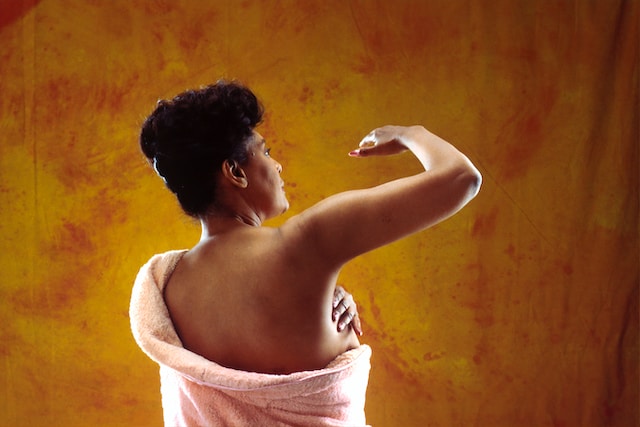
    About 12% of Black women will get breast cancer during their lifetime. At this time of year, every year, Breast Cancer Awareness Month is a momentous occasion to take action and drive awareness for more research, resources and support for one another.

    Image credit: Pexels

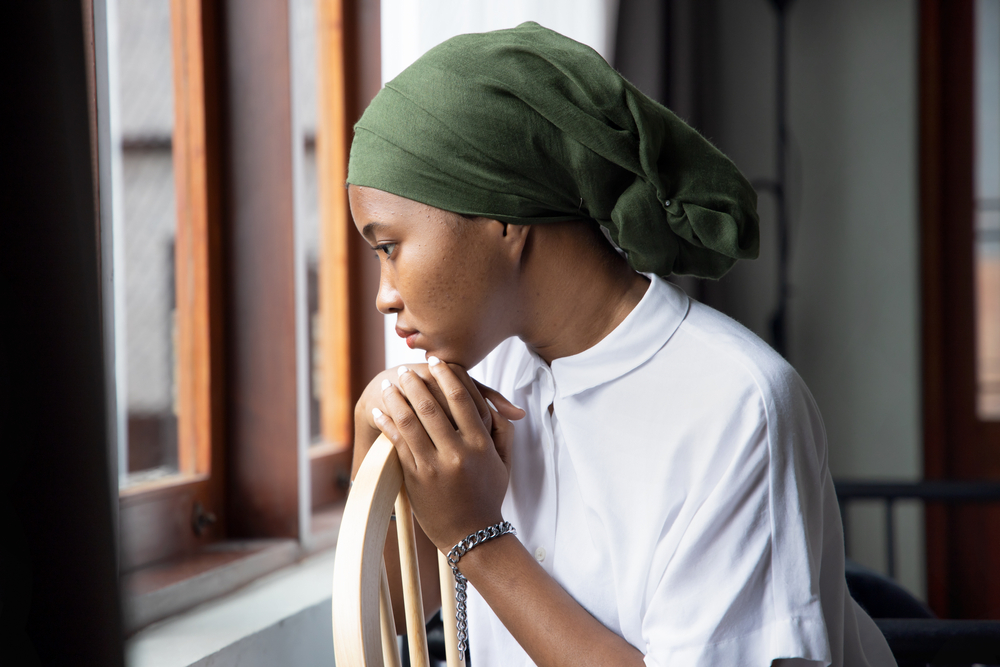
    When it comes to cancer and hair loss, chemotherapy is a take-no-prisoners hairstylist. With little warning or consultation, it can switch up our entire ethos, making us feel self-conscious — even a bit vulnerable. While a breast cancer diagnosis will raise more important factors about the future of our health, for some Black women, losing their hair while navigating one of life’s most critical events can have a direct effect on their well-being, too.

    Chemotherapy-induced alopecia (CIA) is arguably one of the most shocking aspects for oncological patients, per the National Library of Medicine. A highly visible and tangible indicator that says someone’s life has changed, it often triggers overwhelming anger, depression, negative coping behaviors and worries of feeling exposed. 

    Although this temporary form of hair loss and its emotional toll are common for women of all races and ethnicities, these challenges create a more demanding cancer journey for Black women. For them, hair remains tightly connected to their identity, representing centuries-old principles and beliefs that understood racial category, gender designation, communal affiliation and class. It carries deep historical, political and social significance for Black people, yet it continues to be denigrated in work and academic spaces — dynamics typically underestimated by physicians which underscores a more pressing need for them to gain a greater understanding of CIA’s impact among their Black patients. In fact, a revealing study published by the American Cancer Society shows how some Black women, in attempts to avoid the emotional trauma often brought on by hair loss, have even declined cancer treatment altogether.

    Janine Pettiford, MD, a surgical breast oncologist in Clayton County, GA, explains to WebMD, that when her patients learn they will need chemotherapy, typically their first question is about hair loss. A physician who is committed to upholding a respectful responsibility for how ethnicity ties into patient care for CIA, Pettiford first acknowledges and discusses how her patients feel before making sure they fully understand that CIA is not only common but temporary, and while everyone will respond to chemo in varied ways (in some cases the hair may only become thinner or not fall out at all), it is helping to control their disease so it doesn’t progress. 

    Dr. Pettiford also shares the following information with her patients and recommends its use as a general guide, offering more information about CIA. It’s a valuable jumping-off point for patients undergoing treatment or for those who are looking to offer support to a loved one but aren’t certain of what to expect. 
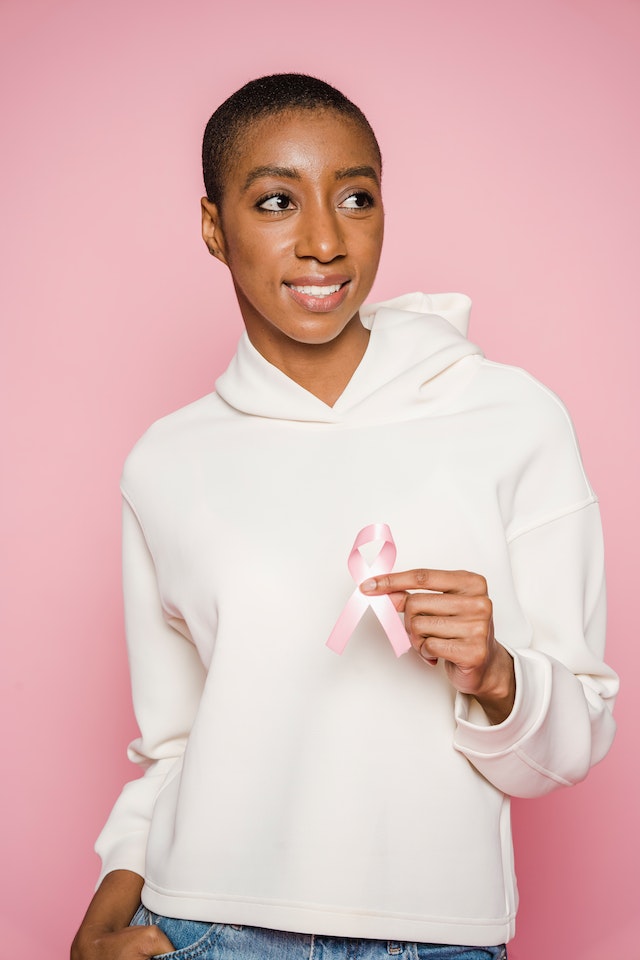
    Image credit: Pexels

    Hair Loss as a Reaction to Chemotherapy

    According to the American Cancer Society, hair loss typically happens fast because chemotherapy agents are designed to rapidly kill growing cells, such as those in a tumor. At the same time, hair follicles (they are highly active structures with their own host of cells) frequently divide in order to produce growing hair, but unfortunately, the hair strands are the innocent bystanders that often take the fall along with cancer cells.

    Doctors advise if CIA is imminent for a patient, then they should expect hair loss to begin one to three weeks after the first chemotreatment. Patients may also notice the loss of eyebrows and eyelashes, but they usually don’t fall out until toward the very end of treatment protocols.

    When a patient is experiencing hair loss, doctors also note the importance of considering all factors — stress or a vitamin D deficiency for example — they can also trigger a type of temporary hair shedding known as telogen effluvium as the body adjusts to chemotherapy treatment. 

    Preventing Hair Loss During Chemo

    At any given time, hair loss is physically and emotionally affecting patients on a daily basis, so preventative care is crucial. One tool patients and their doctors can consider is a scalp-cooling treatment cap designed to reduce hair loss. To date, scalp cooling — the Paxman and DigniCap cooling cap systems specifically — is the only FDA-approved intervention for CIA prevention. Studies published in the Journal of the American Medical Association show that the treatment demonstrates positive success in between 50 to 80% of patients with early-stage breast cancer undergoing chemotherapy.

    While the treatment shows big benefits and both manufacturers claim the systems are suitable for patients of all hair types, doctors do stipulate that scalp cooling is not 100% successful. However, they say that even if it doesn’t provide complete protection, the likelihood of experiencing persistent hair loss is less. In addition, although Black patients have seen progress with the treatment, there aren’t many studies about the efficacy of scalp cooling for varying natural curl types in most people of color. 

    Moreover, scalp cooling isn’t typically covered by insurance, but clinicians are advocating for it to be considered as a “restorative procedure” akin to breast reconstruction and hopefully, covered by most insurance providers in the future. So, with this in mind, oncologists recommend scalp cooling is worth a try.

    How to Regrow Hair After Chemo

    Usually, hair will start to regrow within two to three months after the final chemotherapy treatment, according to Dr. Pettiford, who adds that the texture may not be quite the same as before treatment began. It often resembles hair that may be finer in texture and less dense. 

    For some patients, treatments like minoxidil (which encourages blood flow) may help to speed up regrowth when applied topically or orally, as directed by a physician. And if your scalp develops a heightened sensitivity — it’s a common side effect — the use of mild cleansing and moisturizing products formulated without harsh irritants like alcohol, propylene glycol, sulfates and synthetic dyes will keep the hair and scalp nourished without any wear-and-tear while they grow and recover. 

    Image credit: Pexels

    The Final Takeaway

    Per the American Cancer Society, while Black women are less likely to be diagnosed with breast cancer than white women, Black women are 40% more likely to die from the disease. And for those who have undergone chemotherapy and other cancer treatments, hair loss is a common side effect, but nonetheless, extremely stressful.  It may put individuals in spaces and situations they aren’t yet prepared to deal with.

    Caring about losing your hair from chemo or not liking it when it first comes back is not narcissistic; it is normal and, actually, one of the most difficult parts of undergoing treatment. 

    After all, our hair is a big part of our identity, one that symbolizes great creative expression and freedom, so if you or someone you care about are experiencing moments of not quite recognizing the person in the mirror, please know you are not alone if you feel this way.

    Black women face an array of disparities in cancer care, ranging from the lack of representation in clinical trials to below-par outcomes and higher mortality rates. While the following organizations can’t completely do away with these inequities, they play a crucial role in helping to navigate and overcome these barriers. 

    Black Hair Breast Cancer chemotherapy Thehub.news Wellness
    Danielle Bennett

    Danielle Bennett, a hairstylist of 20 years, is the owner of The Executive Lounge, a hair salon that caters to businesswomen, located in the Chelsea neighborhood of New York City. She specializes in natural hair care, haircuts, color, hair weaving and is certified in non-surgical hair replacement. Danielle partners with her clients to provide customized services, while she pampers them with luxury products and professional, private accommodations. “The Executive Lounge is your home away from home; it is a tranquil, modern sanctuary where you matter. Your time is valued and your opinion counts. Why? Because you deserve it.” - Danielle Bennett

    Related Stories

    New Study Reveals Late-stage Breast Cancer Hits Black Women Hardest

    December 11, 2024

    New $1.58m Grant to Fund Studies Behind Health Care Inequities Amongst Black Women With Breast Cancer

    June 26, 2024

    You Don’t Need ‘Boobs’ to Get Breast Cancer

    October 11, 2023

    5 Facts About Breast Cancer in Black Women to Know for Breast Cancer Awareness Month

    October 4, 2023

    Women Should Start Getting Mammograms From the Age of 40

    May 10, 2023

    Black Patients Should Get Breast Cancer Screenings at An Earlier

    April 26, 2023
    Recent Posts
    • Jackie Ormes: Reframing Black Life in Ink
    • The Real Reasons Why So Many White Women Watch That Melania Documentary
    • How Museums Are Rebuilding Black Memory
    • How Black Potters Are Reshaping the Dining Experience Through Ceramics
    • Floyd Norman: Breaking Barriers and Drawing a Way Forward at Disney

    Jackie Ormes: Reframing Black Life in Ink

    By Dr. Rev Otis Moss III

    The Real Reasons Why So Many White Women Watch That Melania Documentary

    By Dr. Stacey Patton

    How Museums Are Rebuilding Black Memory

    By Veronika Lleshi

    How Black Potters Are Reshaping the Dining Experience Through Ceramics

    By Cuisine Noir

    Subscribe to Updates

    A free newsletter delivering stories that matter straight to your inbox.

    About
    About

    TheHub.news is a storytelling and news platform committed to telling our stories through our lens.With unapologetic facts at the center, we document the lived reality of our experience globally—our progress, our challenges, and our impact—without distortion, dilution, or apology.

    X (Twitter) Instagram YouTube

    Jackie Ormes: Reframing Black Life in Ink

    By Dr. Rev Otis Moss III

    The Real Reasons Why So Many White Women Watch That Melania Documentary

    By Dr. Stacey Patton

    How Museums Are Rebuilding Black Memory

    By Veronika Lleshi

    How Black Potters Are Reshaping the Dining Experience Through Ceramics

    By Cuisine Noir

    Subscribe to Updates

    A free newsletter delivering stories that matter straight to your inbox.

    © 2026 TheHub.news A 501(c)(3) tax-exempt organization.

    Type above and press Enter to search. Press Esc to cancel.