


[Last month], I attended a conference called Let’s Talk About Sex. I expected to spend three days talking about reproductive justice, sexual health, organizing, and the political threats facing Black communities.
I did not expect to cry.
But by the end of the conference, during an interfaith service filled with song and dance, I found myself bawling.
I had spent three days witnessing a contradiction that felt almost impossible to hold: immense pain alongside immense joy and exhaustion alongside extraordinary leadership. A community that has been repeatedly failed by America and yet continues to build, create, organize, care for one another, and fight.
And I came away thinking ONCE AGAIN that the reproductive rights movement would be a lot better off if we let Black women lead.
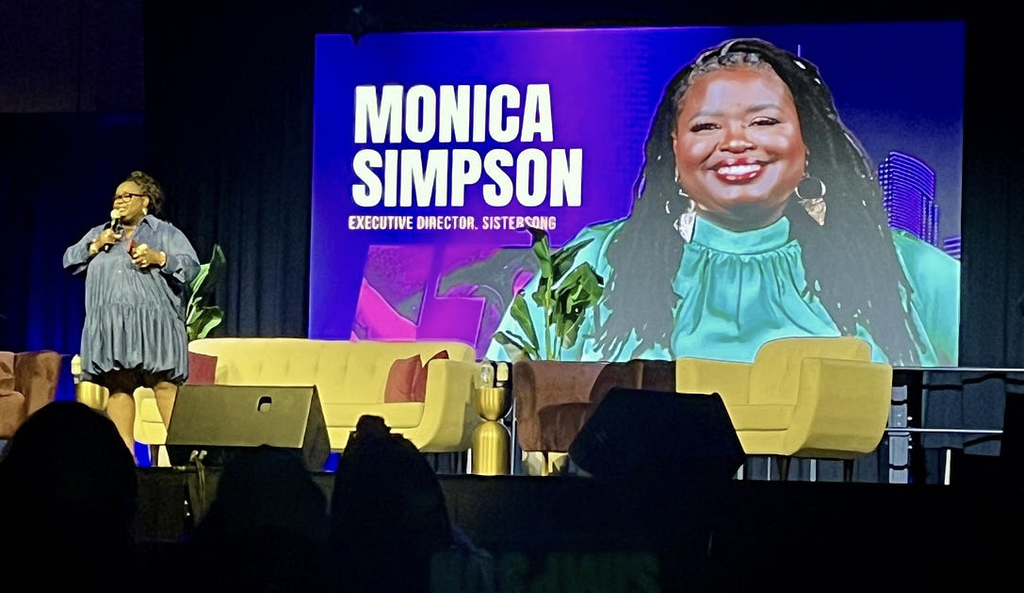
I came to listen
For three days, I mostly listened. I was in a space centered on Black women and their experiences in the reproductive justice movement. I listened to women who are leading some of the most innovative work in reproductive justice. Women who are developing strategies, building organizations, caring for communities, and imagining new ways forward in the face of political hostility and institutional failure.
And frankly, I found myself wondering why the broader reproductive rights movement is not doing more to cede power to them. Black women have been doing this work for a long time. And they have been doing it while navigating racism, sexism, and institutions that routinely ask for their labor without offering them the same resources, protection, or power. They have been doing it while carrying burdens that many of the people working alongside them will never fully understand.
And they are still fighting.
The exhausting calculations Black women are asked to make
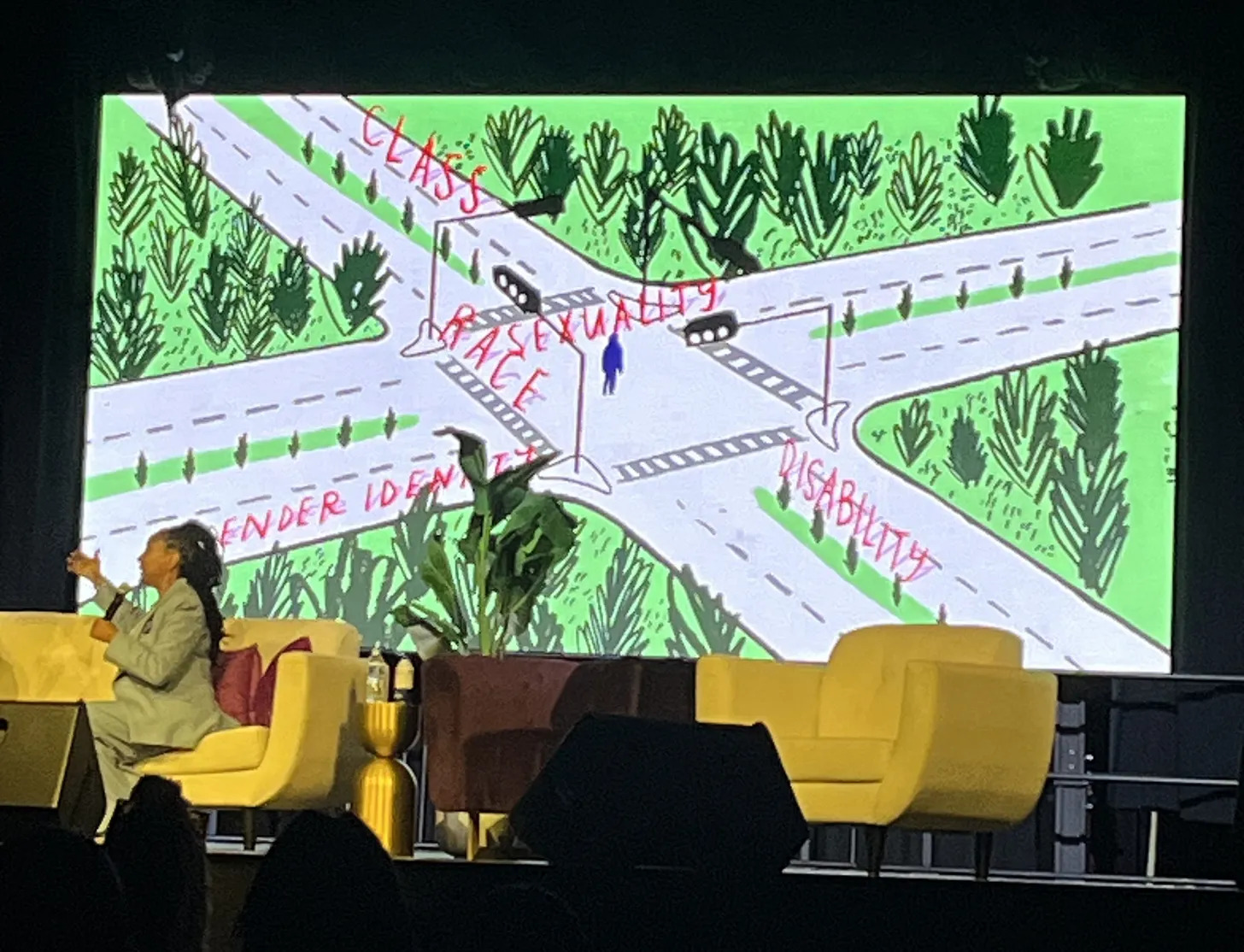
One of the conversations I kept thinking about afterward was about the calculations Black women are forced to make in everyday interactions. A woman described listening to a male colleague talk about his gym routine. Based on her own experience, she offered a recommendation. He responded by asking whether she had ever tried to lose weight. When she said no, he replied abruptly, “Then how would you know?”
What stayed with me here was what she said about having to process it afterward. She wasn’t simply deciding whether he had been rude. She was also considering: Was this sexism? Racism? Both? What would happen if she called him out?
I remember thinking about how rarely I have had to do that same calculation. I can experience someone’s comment as rude or dismissive without also having to consider whether their treatment of me is shaped by my race. That uncertainty is a burden in itself for Black women.
The conference also made me think about how often Black women are praised for their resilience without enough attention to what has required that resilience in the first place. We call Black women resilient as a compliment but resilience can also become an expectation. We admire their ability to withstand what should never have been imposed on them and we celebrate their capacity to keep going while failing to ask why they are so often required to.
Black women should not have to be this resilient. And yet, despite the weight of what so many women described, there was also extraordinary joy in the room.
Continue reading over at the Women in America Substack.
Become a paid subscriber today. Because reproductive freedom can’t wait, and neither can we.