




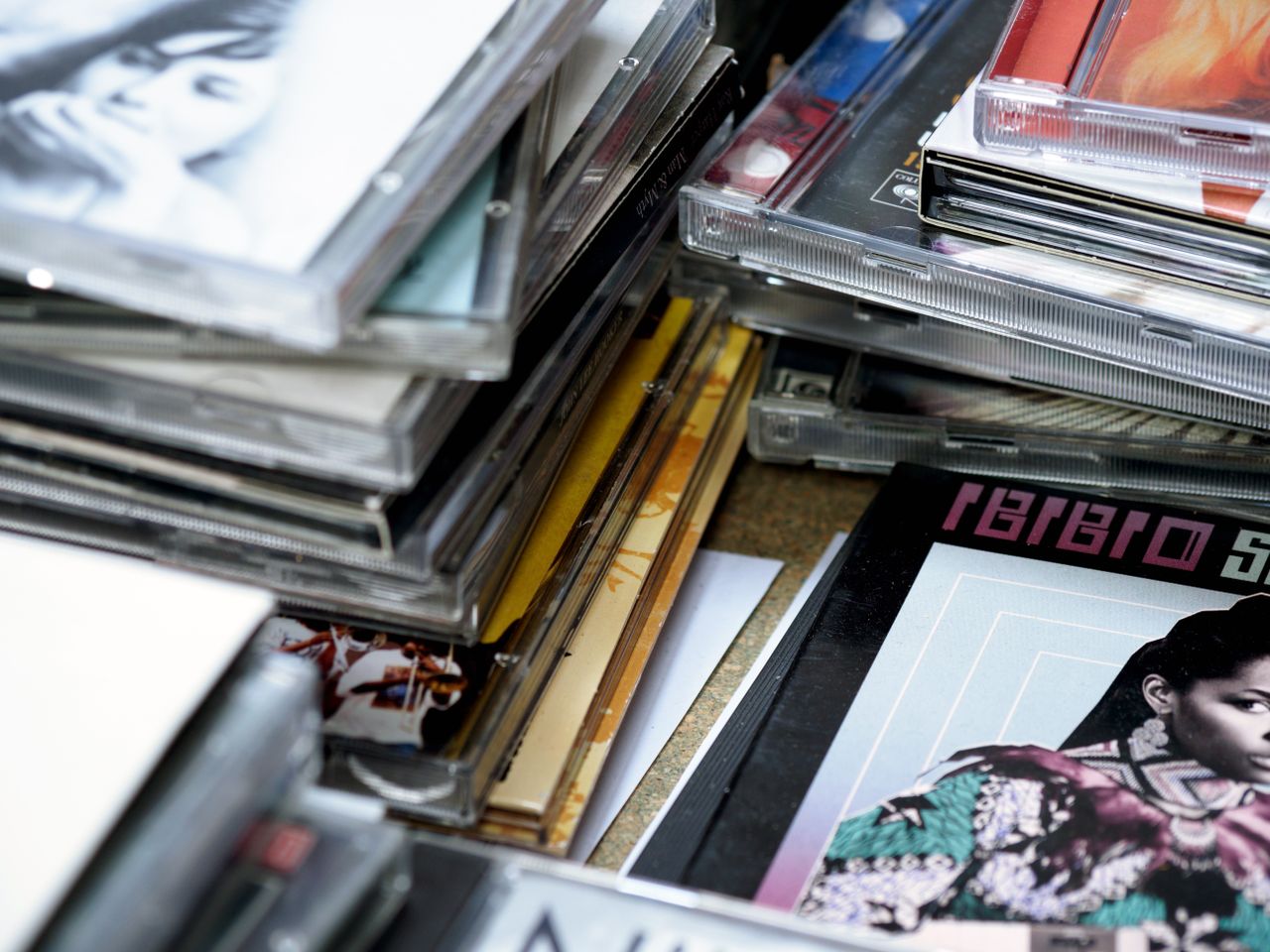
CDs are making a comeback, particularly amongst Gen Z music enjoyers.
In a new report released by the Recording Industry Association of America, the revenue recorded from CD sales in the U.S. increased exponentially in the first half of 2026, rising by approximately 59% to roughly $171.1 million.
Luminate Data reports similar statistics. Their 2026 Midyear Report found that approximately 16.3 million CDs were sold in the first half of 2026 alone. CD purchases quickly outpaced vinyl growth. While vinyl sales grew 2.4%, CD sales rose 16%.
The shift away from streaming services in a digital age has led many to ask why younger audiences are moving toward physical media, especially when streaming platforms provide instant access.
The answer lies in the pursuit of a deeper connection to the material. Music has always been an emotional experience, and many consider it cathartic when they find a song or album that speaks directly to them.
Many of the CD converters speak of their desire to connect more closely to the music through the physicality of the medium. CDs offer an easier alternative to vinyl, which are often incomplete versions because of the sheer time it takes to make the pressings. Vinyls also present additional issues, including potentially poor audio quality due to groove damage from groove burn and construction defects.
Compared with the standard quality DSPs provide, CDs are considered superior in sound quality because they offer uncompressed 16-bit 44kHz digital audio.
“CDs are not just about ownership for me, it’s about addressing a fundamental need to interact,” said 31-year-old consumer Michael Swalberg to the Washington Post. “I love opening a CD case and thumbing through the booklet and liner notes, feeling the paper, reading the lyrics, seeing the artwork and photos of the artist.”
The growing importance of physical media is also underscored by the ability to delete large amounts of data at will. Earlier this month, years’ worth of digital news article content was removed from the BET site to make space for video content. Xbox also announced plans to make gaming CDs digital.
In a world where censorship and rewriting history are growing concerns, physical media such as CDs give consumers peace of mind that the content cannot be erased or tampered with.
The rise in CD ownership also coincides with increased interest in retro products. Many Gen Z youth are breaking away from their phones and moving towards products such as digital cameras, wired headphones and typewriters.

Part of the increase in interest stems from a desire for nostalgia, but also from an attempt to fracture an unhealthy dependence on their cell phone. Approximately 69% of Gen Z currently say that they have a cell phone addiction. Moving toward physical objects such as CDs helps break the blue-light brain-rot issue most younger people struggle with.
Businesses are supporting the shift towards CDs. K-pop icons, who currently mark the most CD sales of any genre, market collectible CDs to fans, offering exclusive packaging, photo cards and other limited-edition items with each purchase. Alongside K-pop, indie rock is the second-highest genre for CD sales this year.
With increased interest in CDs, music revenue has skyrocketed to almost $6 billion in the first half of the year alone.
Time will tell whether CDs are back for good or will sit back for another resurgence in a few years.