


Our day started like the day before and the day before that. For the past month, my coworker and I had been living in a bad version of the movie “Groundhog Day.”
People were dying left and right at our facility. A bad batch of drugs had entered through the perimeter fence. It didn’t discriminate about who it took.
Yesterday, there were two deaths. Today, there were three more. One guy was murdered by his cellmate during a drug stupor that turned deadly. When my coworker, Lil Troy, and I made it to the scene, the victim was lying in a puddle of blood. His head was almost completely detached from his body. The assailant was apologizing profusely. “He was trying to kill me!” he shouted repeatedly.
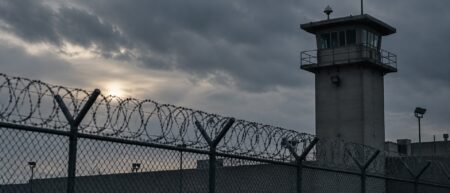
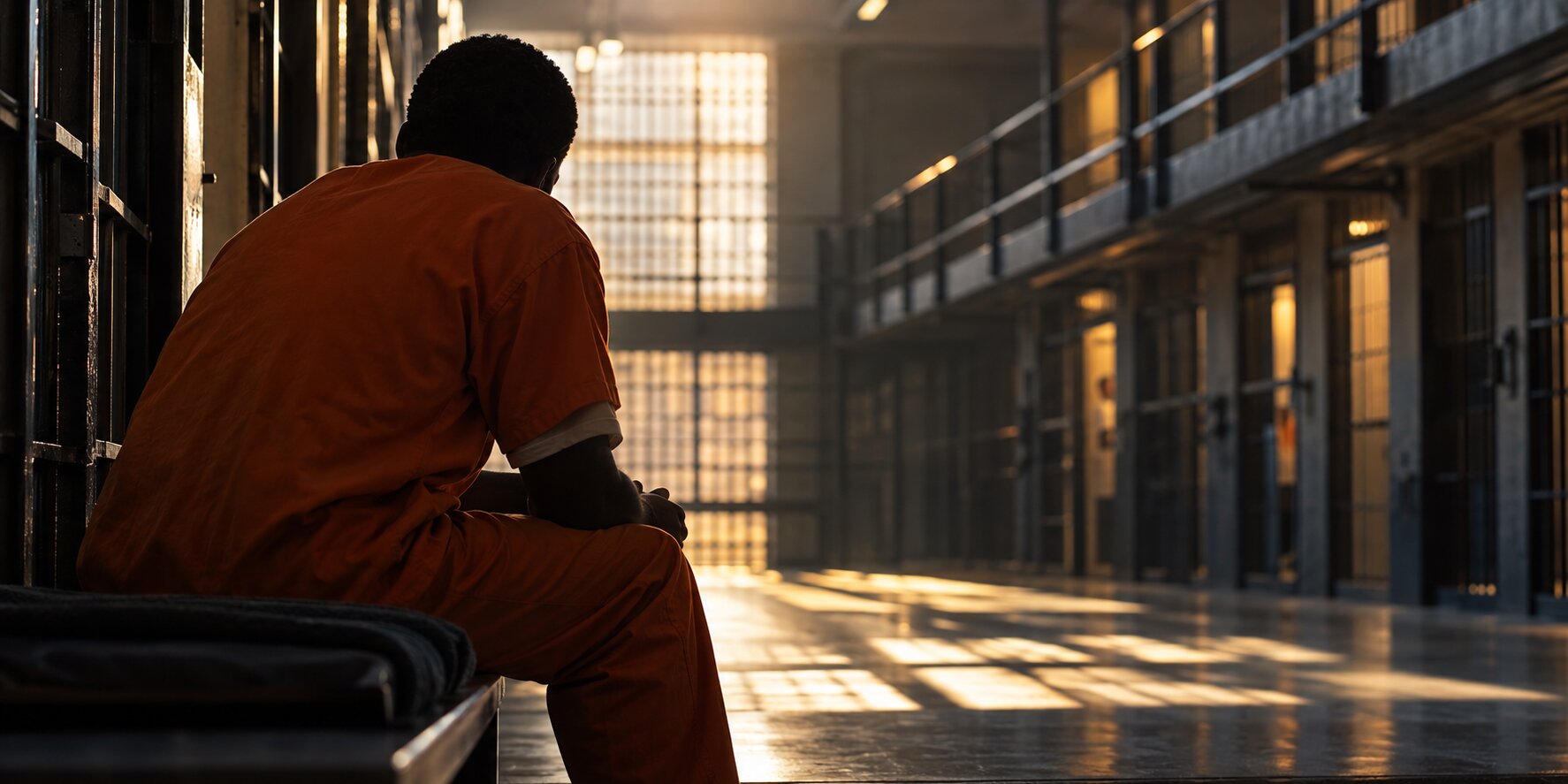
This had become the norm at our prison in Rosharon, Texas, about 15 minutes southwest of Houston. Ironically named the Memorial Unit, we memorialized people daily. If guys were not assaulting their cellmates or innocent staff members, they were dying by suicide at an alarming rate.
Lil Troy and I were the only real force interested in solving the problem.
When I arrived at the facility in 2023, I was summoned to the senior warden’s office. The warden was a woman I had worked with previously at other units during my two decades as a peer support specialist. She was happy that I had arrived at her unit because she was starting a self-harm office dedicated to suicide prevention. She chose me personally to work with the staff assigned to the office.
I accepted the job assignment with zeal. Helping others reach their full potential and overcome turmoil was my calling. It was the least I could do to compensate for the life I took when I committed my crime.
That day, I reread books I had on suicide and suicide prevention. I reached out to my friend and colleague, Dr. Terry Kupers, a suicide prevention specialist and clinical psychiatrist. I told him about this unique opportunity the prison administration had afforded me. I invited him to travel with his team to our prison to provide training sessions for the staff and me. He readily agreed.
Next, I recruited Lil Troy to leave his job as a peer support specialist in the Safe Prison office. I had known Lil Troy for over 20 years. Like me, he had been involved in peer support for decades. He was a former gang member and preferred working in the Safe Prison office to help others denounce gangs. His heart was pure, and his credibility within the incarcerated population was unquestioned.
I knew if we were going to be effective on the ground level at preventing suicide, we needed to operate from a position of trust. Guys had to have confidence in us. No one would reveal their darkest thoughts to anyone they felt didn’t care or might use that information against them.
Lil Troy was one of the most caring and sincere people I had ever encountered, so bringing him in as my coworker was an easy choice.
We hit the ground running. We started a routine of walking every cellblock daily, making sure guys had the small things that matter: toothpaste, deodorant, bed linens and mattresses. I had a friend on the outside contact families of people who had no telephone access. Lil Troy enlisted his sister to do the same. We created a slogan, “Suicide Is Never an Option,” and spread that message everywhere we went. Guys were happy to see us come and genuinely enjoyed our company. Suicide prevention became a real thing.
Then the bad batch of dope came like a thief in the night.
Instead of dealing with death a couple of times a week, mostly from natural causes, we were dealing with deaths daily. Lil Troy and I would go to the cell block where a death occurred and counsel the population there. We helped those who knew the deceased deal with their grief constructively. There were murders, accidental deaths from drug overdoses and suicides.
For three weeks, the administration had no answer. Lil Troy and I had conducted our own independent investigation and discovered the bad batch of dope was the culprit. We determined between ourselves that the only realistic way to remedy the situation was to locate the source of the dope. In other words, we had to identify who was peddling the poison.
Within a few hours, we were at the dealer’s cell! We took time explaining the level of destruction the dope was causing among the population. Coincidentally, the most deaths had occurred right there on the dealer’s cell block. We pleaded with him to destroy the product. He resisted, saying he had invested $5,000. We asked if he would sell it to us for destruction if we could come up with the $5,000. He agreed and gave us 24 hours.
We went to the warden’s office with our good news. For $5,000, we could get the dope and bring it to her for destruction. She laughed at us. We next decided to enlist leaders from the incarcerated population to make donations. We went to the religious communities, the gangs, the jailhouse lawyers and the activists. We solicited our own family members and loved ones. No one was inclined to help.
The next day, in addition to the guy whose head was dangling from his body, a young white guy whom Lil Troy had been mentoring took his life. Lil Troy took it hard and started showing a defeatist attitude I had never seen from him. Later that night, a guard came to my cell and told me another person had died by suicide. I got dressed and went to get my partner, Lil Troy.
The suicide had occurred on Lil Troy’s cell block. When I arrived, despair was on everyone’s face, including the guards. The medical staff was bringing the body down the stairs. The person I least expected to see was lying lifeless on the gurney.
It was Lil Troy!
Note: Troy Barksdale was a peer support specialist who took his own life in June 2024 at the Memorial Unit. He was my friend, comrade, mentor and a fighter for humanity. Long live Lil Troy!!!!!