



On this day in 1948, Claude McKay died in Chicago at 57, leaving behind a body of work that helped define the Harlem Renaissance.
Born Festus Claudius McKay on Sept. 15, 1890, in Clarendon Parish, Jamaica, he grew up in a farming family and began writing poetry as a child. His early books, Songs of Jamaica and Constab Ballads, published in 1912, brought Jamaican speech and rural life into print at a time when colonial culture often dismissed both.
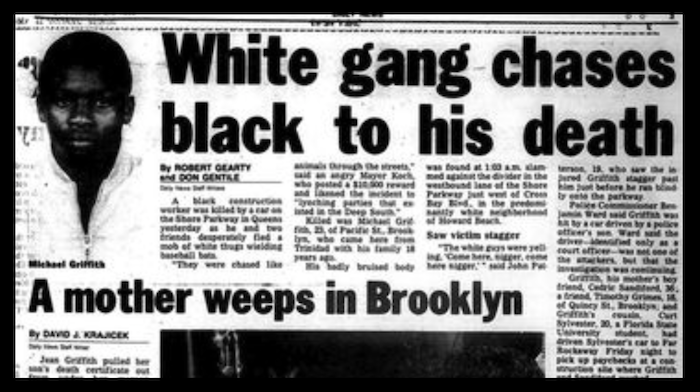
McKay moved to the United States in 1912 to study, first at Tuskegee Institute and then at Kansas State Agricultural College. By 1914, he was in New York City. Five years later, during the Red Summer of 1919, he published “If We Must Die,” a sonnet written in response to racist violence. The poem became one of his best-known works because it rejected victimhood and insisted on dignity under attack.
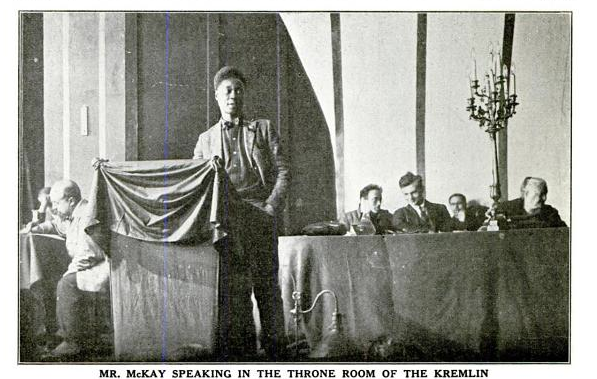
McKay was also a novelist, essayist, traveler and worked with The Liberator, joined the Industrial Workers of the World and traveled to the Soviet Union in the 1920s, where he was welcomed by Communist officials. Yet he later broke with the authoritarianism he saw there. His life took him across London, Paris, North Africa, Spain and Harlem, and his writing followed those routes.
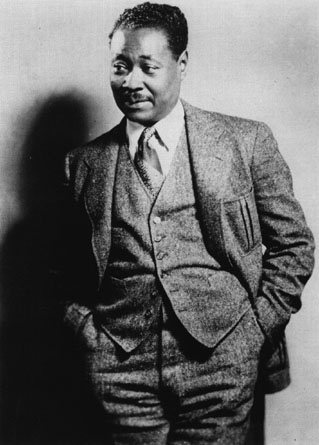
His 1922 poetry collection, Harlem Shadows, was among the first major books of the Harlem Renaissance. His 1928 novel, Home to Harlem, won the Harmon Gold Award for Literature and became a bestseller, even as W.E.B. Du Bois criticized its frank portrayal of nightlife and working-class Black life. McKay kept writing across genres, including “Banjo,” “Banana Bottom,” “A Long Way from Home” and “Harlem: Negro Metropolis.”
In his final years, McKay converted to Catholicism and worked with Catholic activists before his health declined. He died of a heart attack on May 22, 1948, and was buried in Queens, New York. Today, he is remembered as a Jamaican American writer who expanded Black literature. His influence later reached writers such as James Baldwin and Richard Wright.