



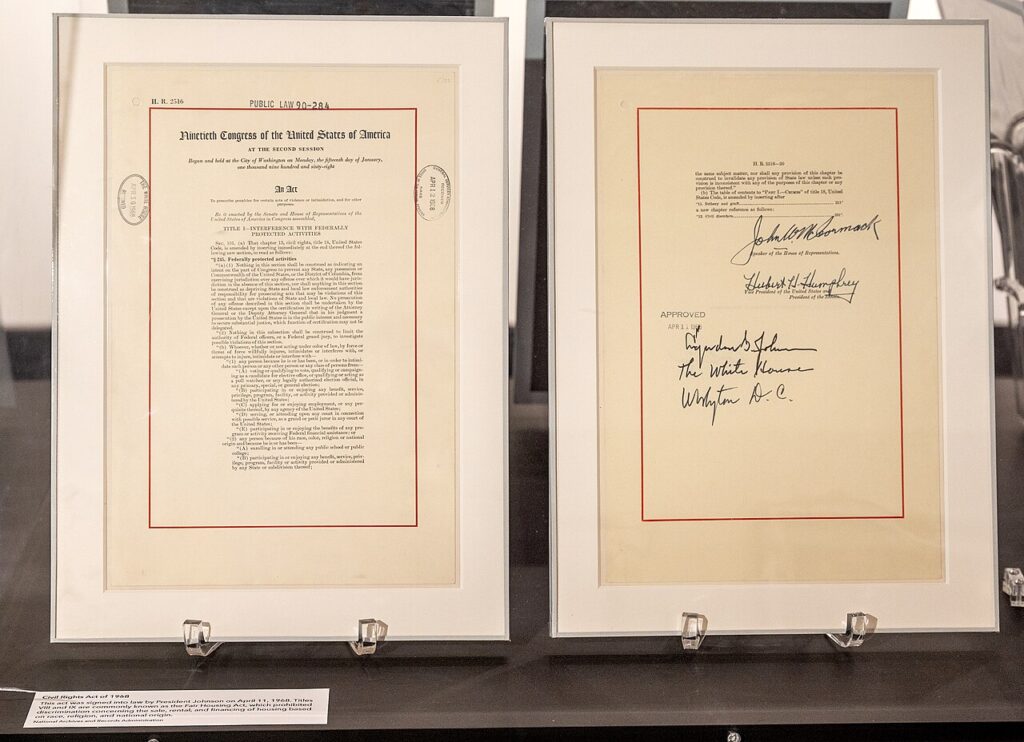
On April 10, 1968, six days after the assassination of the Rev. Martin Luther King Jr., Congress approved one of the last prominent pieces of legislation of the civil rights era: the Civil Rights Act of 1968.
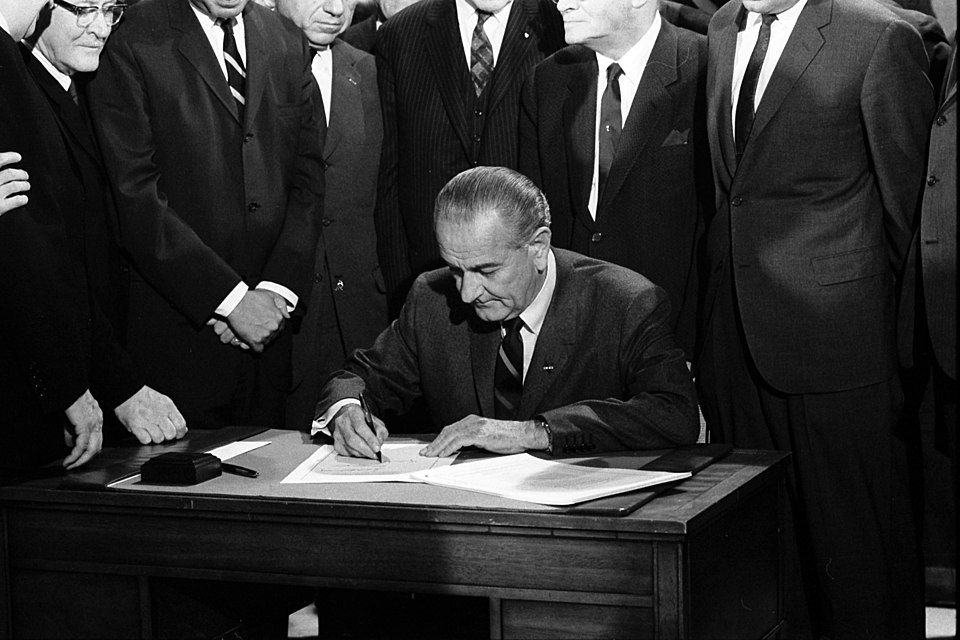
At the center of the measure was the Fair Housing Act, a law that made it illegal to discriminate in the sale, rental or financing of housing because of race, religion or national origin. The bill reached the desk of President Lyndon B. Johnson, who signed it the following day.
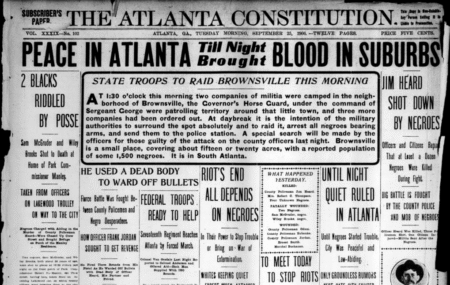
For decades, Black Americans had been systematically excluded from many neighborhoods across the country. In cities and suburbs alike, restrictive covenants barred Black families from buying homes in white neighborhoods. Banks routinely refused to make loans in Black communities, real estate agents steered buyers away from certain areas, and landlords often declined to rent to African Americans, regardless of income or qualifications.
Those practices were built into the country’s housing system and reinforced by local governments, lending institutions and private developers. By the 1960s, civil rights leaders had increasingly turned their attention to housing, arguing that legal equality meant little if Black families remained shut out of the places where wealth, education and opportunity were concentrated.
LBJ Library photo by Jay Godwin
Congress had considered fair housing legislation several times, but the proposals repeatedly stalled while opponents argued that the federal government should not interfere in private property transactions. Supporters countered that discrimination in housing had become one of the most entrenched forms of racial inequality in the country.
The political landscape changed abruptly after King’s assassination in Memphis on April 4. Riots erupted across the country, and members of Congress who had long opposed the bill came under increasing pressure to act. King himself had made fair housing a central issue, particularly during his campaign in Chicago in 1966, where he confronted housing segregation in the North.
The Fair Housing Act did not end discrimination, and Black homebuyers and renters continue to face resistance, with many of the patterns created by segregation remaining visible today. Still, the law fundamentally altered the legal framework of American housing and for the first time, people who were denied housing because of their race had a federal remedy.