


Rising fuel costs tied to the conflict with Iran are creating anxiety among Republicans on Capitol Hill, who worry the issue could become a political liability heading into the November elections.
The spike comes shortly after President Donald Trump promoted falling gas prices as a key achievement of his economic policies during his State of the Union address. Now, oil markets are reacting to tensions in the Middle East, driving up costs for American drivers.
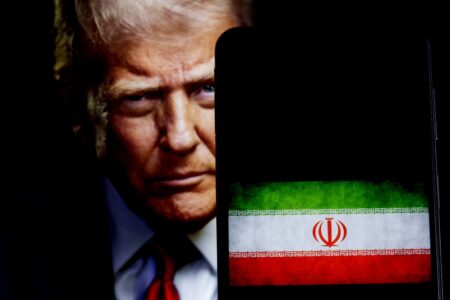
Trump has argued that the increase is a temporary consequence of confronting Iran. In a weekend social media post, the president wrote that higher “short-term oil prices” are a “very small price to pay” if the conflict removes the threat of an Iranian nuclear weapon.
Some Republican lawmakers say voters may not be as willing to accept the tradeoff.
“That’s always bad,” Sen. Shelley Moore Capito, R-W.Va., said when asked about the prospect of higher gas prices this summer. “People are traveling, they’re starting to travel now. The weather finally got good.”
Even so, Capito said the public may need to tolerate short-term volatility in energy markets. She said “a little bit of patience” could be necessary while the situation develops.
Oil markets have been volatile since the conflict intensified. Prices surged past $100 a barrel during weekend trading before retreating after Trump said he is considering action related to the Strait of Hormuz, a critical waterway for global oil shipments.
About one-fifth of the world’s oil supply moves through the strait, making any disruption there a major concern for energy markets.
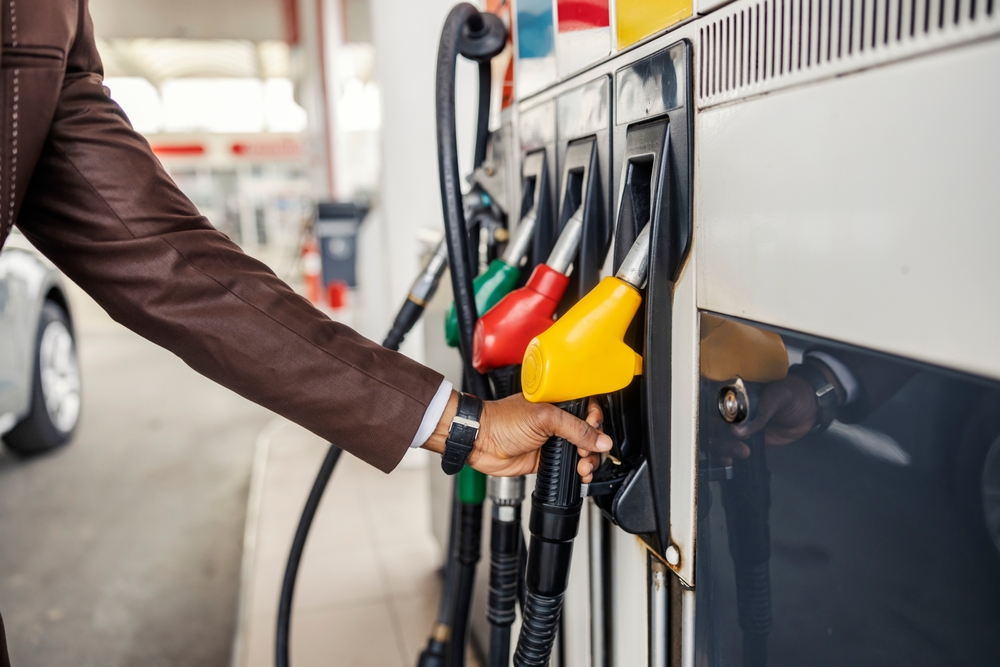
The ripple effects are already appearing at gas stations across the country. The national average price for regular gasoline reached roughly $3.49 per gallon on Monday, about 70 cents higher than it was at the beginning of 2026.
Senate Majority Leader John Thune, R-S.D., said fuel prices are one of the most visible economic indicators for voters.
“The price of gas is always a benchmark,” Thune said. “It’s something everybody pays attention to.”
Some lawmakers say the path to lower prices is simple.
“Get the war in Iran over,” Sen. Chuck Grassley, R-Iowa, said.
Others have criticized the administration’s preparation for the economic fallout.
“For heaven’s sakes, are you telling me you didn’t game this one out?” Sen. Lisa Murkowski, R-Alaska, said. “I’m starting to think they didn’t game this one out.”
Still, some Republicans remain confident the situation will stabilize.
“I think he’s the right person for the job and I trust him,” Rep. Tony Wied, R-Wis., said, predicting prices will fall once the conflict ends.
Late night hosts also seized on the rising gas prices as material.
NBC’s Seth Meyers joked that fuel costs are impossible for politicians to spin because “you can lie about many things in American life, but one thing you can’t lie about is gas prices,” adding that they are posted on “giant signs on the side of the road.”
On NBC’s “The Tonight Show,” Jimmy Fallon quipped that the increases are so steep that “we’re now entering a time when filling up your Nissan Altima is seen as ‘bougie.’” ABC’s Jimmy Kimmel said the political impact could be difficult for the president, joking that unless gas stations hide their price boards, the issue will remain front and center for voters.