



Close Menu
TheHub.news

    This Day in History: October 27th

    By TheHub.news Staff

    In Class With Carr: “Running in Place”

    By TheHub.news Staff

    Here’s How to Make Cornell Pay. Literally.

    By Pari Eve

    Subscribe to Updates

    Get the latest creative news from FooBar about art, design and business.

    X (Twitter) Instagram YouTube
    X (Twitter) Instagram YouTube
    TheHub.news
    Support Our Work
    • Home
    • Our Story
      • News & Views
        • Politics
        • Injustice
        • HBCUs
        • Watch
      • Food
        • Cuisine Noir
        • soulPhoodie
      • Passport Heavy
      • Travel
      • Diaspora
      • This Day
      • Entertainment
      • History
      • Art
      • Music
    • Health
    • Money

      Cashflow Coach: I Planted a Money Tree!

      August 4, 2026

      Breaking Down the 2 Different Types of Income

      July 7, 2026

      Black Americans Are Already Living Through a Recession

      July 6, 2026

      You Must Be an Owner to Win 

      June 23, 2026

      Economic Empowerment Has Always Been a Part of Black History

      February 12, 2026
    • Books
    • Business
    • Sports
      1. First and Pen
      2. View All

      Football HOFer Marshall Faulk Reveals He Has Parkinson’s Disease

      October 26, 2026

      A Whole Bunch of People Owe Jalen Hurts a Big Apology

      October 20, 2026

      New Memo Proves What We Knew All Along- Brian Flores Was Right

      October 14, 2026

      Insult, Apologize and Repeat Is the Stephen A. Smith Way

      October 11, 2026
    • Tech
    • Podcasts
      1. Karen Hunter is Awesome
      2. Lurie Breaks it Down
      3. Human(ing) Well with Amber Cabral
      4. Financially Speaking
      5. In Class with Carr
      6. View All

      This Day in History: October 27th

      October 27, 2026

      In Class With Carr: “Running in Place”

      October 26, 2026

      Here’s How to Make Cornell Pay. Literally.

      October 26, 2026

      Football HOFer Marshall Faulk Reveals He Has Parkinson’s Disease

      October 26, 2026

      In Class With Carr: “Running in Place”

      October 26, 2026

      Sophia Chang Is the ‘Baddest Bitch’ in the Podcast Room

      October 21, 2026

      In Class with Carr: “Coming Black Home”

      October 19, 2026

      In Class with Carr: Whose Labor? Which Stories?

      October 13, 2026
    TheHub.news
    Featured

    Wellness Wednesday: The Very Fabric of Health

    By Kaba Abdul-FattaahSeptember 18, 20244 Mins Read
    Share Email Copy Link
    Image credit: ShutterStock
    Share
    Facebook Twitter LinkedIn Email Copy Link Threads

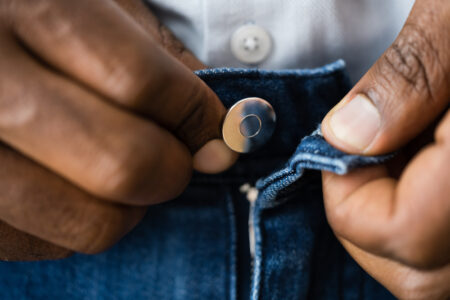
    I had to remind myself the other day to be more diligent about the type of fabric I wear in t-shirts, underwear, and clothes in general. The synthetic toxic materials we are conditioned and accustomed to wearing are dangerous to our health.

    One of the many benefits I’ve discovered in my travels to Africa and the Middle East is that they still use natural fabrics in their clothing.

    In these regions, healthier fabrics have traditionally been preferred for centuries, with cotton, linen, and other natural fibers taking center stage. For example, in the Middle East, fabrics like cotton and linen are widely used, especially in countries like Egypt, Turkey, and Iran, where they suit the hot, dry climate. These natural fibers allow for breathability and moisture wicking, making them far more comfortable and safer than synthetic alternatives. Similarly, in Africa, fabrics like Adire and Ankara, made from natural cotton and dyed using plant-based pigments, have long been favored for their comfort, durability, and non-toxic qualities.

    Traditional textiles in these cultures often rely on natural dyes, such as indigo, derived from the indigo plant. This method is far less harmful than the synthetic dyes widely used today. Unfortunately, the globalization of the textile industry is increasing and slowly but surely, so are synthetic fabrics in these regions, negatively impacting both the health of local populations and traditional sectors.

    Back in the States, we’ve become too accustomed to toxic, synthetic fabrics. Synthetic fibers like polyester, nylon and acrylic, all made from petrochemicals, contribute significantly to greenhouse gas emissions during production. These fabrics also shed harmful microplastics with every wash, polluting our water and entering the food chain. Worse still, many of these materials contain chemicals like phthalates, formaldehyde and azo dyes, which have been linked to cancer, hormone disruption and other health issues.

    It’s easy to forget that fabric is in constant contact with the largest organ of our body—our skin. The skin absorbs chemicals from clothing just like it would absorb lotion or cream. Dr. Philip Tierno, a clinical professor at NYU, notes that prolonged contact with chemically laden fabrics can introduce harmful substances into the bloodstream, causing long-term damage.

    Wearing toxic materials is like applying a chemical treatment to your skin daily.

    The fashion industry also contributes significantly to environmental damage. Textile manufacturing is responsible for about 10% of global carbon emissions, with excessive water use and toxic dye pollution being additional concerns. Conventional cotton farming, for instance, requires vast amounts of water and relies on harmful pesticides. Poisonous dyes used in production often find their way into rivers, contributing to widespread water pollution.

    The risks to human health from synthetic fabrics are numerous. Formaldehyde, used to make fabrics wrinkle-resistant, is a known irritant and can cause skin rashes and respiratory issues. Long-term exposure has even been linked to cancer. Azo dyes and phthalates, found in many synthetic garments, can disrupt hormones and lead to developmental and reproductive problems.

    Fortunately, there are safer, more eco-friendly alternatives. Organic cotton, grown without harmful pesticides and processed using non-toxic methods, is one such fabric. Hemp is another durable, breathable, and hypoallergenic material requiring minimal water. Linen, made from flax plants, is naturally antimicrobial and biodegradable. Tencel, a fabric made from sustainably sourced wood pulp, is soft, breathable and gentle on the skin.

    As consumers, making informed choices about the fabrics we wear can positively impact our health. By choosing natural, non-toxic materials, we can protect our health and reduce the fashion industry’s environmental impact. Dr. Heather Patisaul, a toxicologist, reminds us that many chemicals in clothing production haven’t been adequately tested for long-term exposure, making it even more essential to opt for safer options.

    Just as we pay attention to what we put into our bodies, we should also care about what we put on them. It’s time to rethink the fabrics we wear and choose options that are healthier for both ourselves and the planet.

    Adire Ankara Health Thehub.news toxic materials Wellness
    Kaba Abdul-Fattaah

    Kaba Abdul-Fattaah is a dynamic independent documentary filmmaker and photographer. A world traveler, he has traversed the globe capturing not only music and film giants, but incredible footage of some of the most incredible humanitarians and freedom fighters of our time. Kaba's work passionately explores and celebrates the richness of the Black community, showcasing its depth and beauty through compelling visual narratives. He is a native of Brooklyn and currently resides in Harlem.

    Related Stories

    Berberine: The Natural Ozempic

    July 17, 2024

    8 Seductive Ways to Self-pleasure Without a Vibrator

    July 10, 2024

    Tiny Seeds, Huge Health Impact

    June 19, 2024

    Black and Hispanic Americans More Likely to Lose Medicaid Because of Renewal Process

    June 5, 2024

    Michael Jordan Opens New Health Clinic in Wilmington, NC

    May 15, 2024

    This Is What Actually Happens to Your Body When You Take the Morning-After Pill

    May 1, 2024
    Recent Posts
    • This Day in History: October 27th
    • In Class With Carr: “Running in Place”
    • Here’s How to Make Cornell Pay. Literally.
    • Football HOFer Marshall Faulk Reveals He Has Parkinson’s Disease
    • Did You Know 2 Musical Talents Were Born on This Day?

    This Day in History: October 27th

    By TheHub.news Staff

    In Class With Carr: “Running in Place”

    By TheHub.news Staff

    Here’s How to Make Cornell Pay. Literally.

    By Pari Eve

    Football HOFer Marshall Faulk Reveals He Has Parkinson’s Disease

    By Ayara Pommells

    Subscribe to Updates

    A free newsletter delivering stories that matter straight to your inbox.

    About
    About

    TheHub.news is a storytelling and news platform committed to telling our stories through our lens. With facts at the center, we document the lived reality of our experience globally—our progress, our challenges, and our impact—without distortion, dilution, or apology.

    X (Twitter) Instagram YouTube

    This Day in History: October 27th

    By TheHub.news Staff

    In Class With Carr: “Running in Place”

    By TheHub.news Staff

    Here’s How to Make Cornell Pay. Literally.

    By Pari Eve

    Football HOFer Marshall Faulk Reveals He Has Parkinson’s Disease

    By Ayara Pommells

    Subscribe to Updates

    A free newsletter delivering stories that matter straight to your inbox.

    © 2026 TheHub.news A 501(c)(3) tax-exempt organization.

    Type above and press Enter to search. Press Esc to cancel.