


Close Menu
TheHub.news

    Remembering That Time Rev. Jesse Jackson Smacked Me on My Forehead

    By Dr. Stacey Patton

    Dawn Staley Continues Her Greatness With 500th Win at South Carolina

    By FirstandPen

    Africa Is Getting More AI. Its Energy Grid May Pay the Price.

    By Veronika Lleshi

    Subscribe to Updates

    Get the latest creative news from FooBar about art, design and business.

    X (Twitter) Instagram YouTube
    X (Twitter) Instagram YouTube
    TheHub.news
    Support Our Work
    • Home
    • Our Story
      • News & Views
        • Politics
        • Injustice
        • HBCUs
        • Watch
      • Food
        • Cuisine Noir
        • soulPhoodie
      • Passport Heavy
      • Travel
      • Diaspora
      • This Day
      • Entertainment
      • History
      • Art
      • Music
    • Health
    • Money
      1. Copper2Cotton
      2. View All

      How to Fight Inflation and Win

      December 9, 2025

      August 2018 Net Worth Update

      December 9, 2025

      Dividend Update: August 2018

      December 9, 2025
      Passive Income

      Be Passive About Your $

      November 17, 2025

      Economic Empowerment Has Always Been a Part of Black History

      February 12, 2026

      August 2018 Net Worth Update

      December 9, 2025

      More Blacks Needed On Corporate Boards

      December 9, 2025

      How to Fight Inflation and Win

      December 9, 2025
    • Books
    • Business
    • Sports
      1. First and Pen
      2. View All

      Dawn Staley Continues Her Greatness With 500th Win at South Carolina

      February 17, 2026

      Trinidad Chambliss Gets to Play as the NCAA Takes Another “L”

      February 17, 2026

      Bad Bunny Gave Us All a Musical Lesson to Enjoy And Learn From

      February 12, 2026

      Brian Flores Was Right But the Issue Is Not for Black Coaches to Fix

      February 3, 2026

      Dawn Staley Continues Her Greatness With 500th Win at South Carolina

      February 17, 2026

      Trinidad Chambliss Gets to Play as the NCAA Takes Another “L”

      February 17, 2026

      Bad Bunny Gave Us All a Musical Lesson to Enjoy And Learn From

      February 12, 2026

      Brian Flores Was Right But the Issue Is Not for Black Coaches to Fix

      February 3, 2026
    • Tech
    • Podcasts
      1. Karen Hunter is Awesome
      2. Lurie Breaks it Down
      3. Human(ing) Well with Amber Cabral
      4. Financially Speaking
      5. In Class with Carr
      6. View All

      Remembering That Time Rev. Jesse Jackson Smacked Me on My Forehead

      February 17, 2026

      Dawn Staley Continues Her Greatness With 500th Win at South Carolina

      February 17, 2026

      Africa Is Getting More AI. Its Energy Grid May Pay the Price.

      February 17, 2026

      Trinidad Chambliss Gets to Play as the NCAA Takes Another “L”

      February 17, 2026

      Remembering That Time Rev. Jesse Jackson Smacked Me on My Forehead

      February 17, 2026

      Dawn Staley Continues Her Greatness With 500th Win at South Carolina

      February 17, 2026

      Africa Is Getting More AI. Its Energy Grid May Pay the Price.

      February 17, 2026

      Trinidad Chambliss Gets to Play as the NCAA Takes Another “L”

      February 17, 2026

      Remembering That Time Rev. Jesse Jackson Smacked Me on My Forehead

      February 17, 2026

      Dawn Staley Continues Her Greatness With 500th Win at South Carolina

      February 17, 2026

      Africa Is Getting More AI. Its Energy Grid May Pay the Price.

      February 17, 2026

      Trinidad Chambliss Gets to Play as the NCAA Takes Another “L”

      February 17, 2026

      Remembering That Time Rev. Jesse Jackson Smacked Me on My Forehead

      February 17, 2026

      Dawn Staley Continues Her Greatness With 500th Win at South Carolina

      February 17, 2026

      Africa Is Getting More AI. Its Energy Grid May Pay the Price.

      February 17, 2026

      Trinidad Chambliss Gets to Play as the NCAA Takes Another “L”

      February 17, 2026

      Remembering That Time Rev. Jesse Jackson Smacked Me on My Forehead

      February 17, 2026

      Dawn Staley Continues Her Greatness With 500th Win at South Carolina

      February 17, 2026

      Africa Is Getting More AI. Its Energy Grid May Pay the Price.

      February 17, 2026

      Trinidad Chambliss Gets to Play as the NCAA Takes Another “L”

      February 17, 2026

      In Class with Carr: Black History in Times of Trouble

      February 2, 2026

      The Rise of the “Righteous Whites” and the Collapse of Plausible Deniability

      January 24, 2026

      How Insurers Use Your ZIP Code and Credit Score Against You

      January 21, 2026

      In Class With Carr: New World Order

      January 19, 2026
    TheHub.news
    Health

    How Black Women are Helping Their Communities Find Refuge and Healing in the Soil

    By Danielle BennettNovember 29, 20235 Mins Read
    Share Email Copy Link
    Image credit: Unsplash
    Share
    Facebook Twitter LinkedIn Email Copy Link Threads

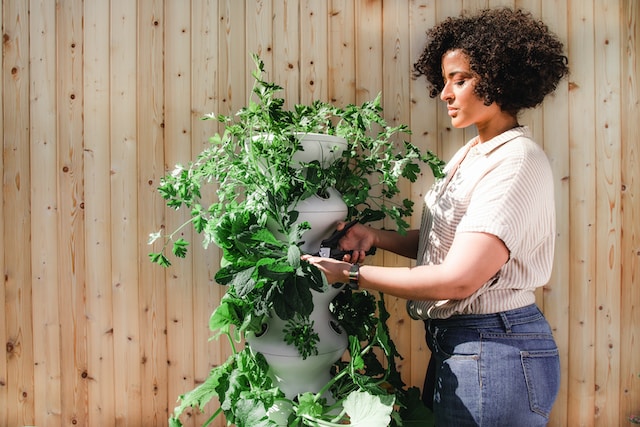
    When it comes to finding happiness, common practice usually includes some form of physical activity, taking up a creative hobby or fostering meaningful relationships with others. For some Black women specifically, an interest in gardening not only creates a soothing rhythm that promotes joy and satisfaction, but it can also play an important role in restoring a familial legacy of intergenerational healing and growth.

    A Black woman’s inherent relationship and proficiency with the land is as deeply ingrained as the ancestral recollection of enslavement and separation. As enslaved African women were brought to the United States, so was the horticultural ingenuity that established the wealth of the nation. For centuries, they’d work the earth, but many of their contributions and experiences were left out of the early history of American agriculture. These discrepancies are also a striking parallel with how, unlike other groups of people, natural resources are not deemed infinite for Black women. Instead, for them, they are materials to be pillaged and misused. 

    Since the 1970s, the theory of ecofeminism remains a movement that recognizes how the white man’s destruction and exploitation of the natural world is closely aligned to his oppressive and disrespectful treatment of women, Black women especially. Ecofeminists argue that the behavior toward women in society is a likely measure of the treatment of the earth and vice versa; that because we live in a patriarchal and capitalist society, the abuse of women and the destruction of the environment are naturally occurring consequences.

    The long history and practice of slave owners ripping Black women from their roots and role as stewards of the land, spaces where they held the most noticeable positions in herbalism, healing rituals and farming practices, had become harmful to both their livelihoods and to the environment. It caused a forced, incessant loosening of the land that resulted in the improper distribution of crops and deprecated time-honored, rural traditions. Scores of land became uninhabitable, contributing to an eventual environmental crisis. In fact, in the early 1900’s, agricultural scientist George Washington Carver warned of these long-term catastrophic prospects; and strongly urged an ethical transition to safer cultivation techniques.

    In the last century, the number of self-identified Black American farmers has dwindled. And today, as farming becomes a progressively imperiled profession in this country, they continue to struggle in the face of racist, economic headwinds due in part to the overt discrimination by the U.S. Department of Agriculture. According to a 2017 National Agricultural Statistics Service Census report (it is the latest year the data was recorded), there were 48,697 (or only 1.4%) Black farmers in the United States. They own less land than non-Black farmers and their agricultural sales account for less than 1% of the national total. 

    Thankfully, a network of Black women gardeners, florists and herbalists are helping to bring us closer to a more thoughtful reality of survival and healing. Through their work, a movement toward a reconnection to the land is growing, and it’s cultivating a fellowship of genuine concern and support for the abuse of women and for the environment. 

    GirlTrek, a national, nonprofit organization dedicated to encouraging the fitness, health and healing of Black women and girls for well over a decade, has established GirlTrek Gardeners, a subsidiary that promotes wellness through a reconnection to cultivation and the land. With online gardening classes and mentorship programs, they help women and girls return to a place of sustenance and sanctuary while promoting healing from generational trauma and fighting systemic racism.

    For herbalist Brianna Cherniak and author and nutritionist Afua Ibomu, herbalism is a way for Black and brown people to reclaim their bodies and ancestry from appropriation by white, western herbalists, many of whom are profiting from Black, Indigenous and Asian practices. 

    In an interview with Refinery 29, Ibomu illustrates how enslaved Black women used herbalism to uphold their African heritage: “We brought rice from Africa when we were stolen by Europeans and they used our knowledge to start [what would become] the rice trade in the United States. During the enslavement of Africans, Black women would have to cater their cooking styles to European palettes. We used our knowledge of herbs and spices to make their meals taste good.”  

    View this post on Instagram

    A post shared by Afya ???? Holistic Nutritionist (@afyaibomu)

    As the United States became more industrialized, it prompted the near end of farming fresh foods and herbs. Processed versions took over, which caused a swing from herbalistic traditions. But Cherzniak and Ibomu are committed to using their platforms to make herbalism accessible and dissectable again. Through workshops and online instruction, they stress the importance of understanding the origins and ancestral rituals of each plant, as well as knowing their physical beneficial properties.

    View this post on Instagram

    A post shared by Moss Medicine (@mossmedicine)

    As Black women continue to find solitude and stability within the consciousness of the land, they will also continue to summon a movement of economic and social freedom while activating transformational, global change. 

    To be continued…

    Healing Health Thehub.news Wellness
    Danielle Bennett

    Danielle Bennett, a hairstylist of 20 years, is the owner of The Executive Lounge, a hair salon that caters to businesswomen, located in the Chelsea neighborhood of New York City. She specializes in natural hair care, haircuts, color, hair weaving and is certified in non-surgical hair replacement. Danielle partners with her clients to provide customized services, while she pampers them with luxury products and professional, private accommodations. “The Executive Lounge is your home away from home; it is a tranquil, modern sanctuary where you matter. Your time is valued and your opinion counts. Why? Because you deserve it.” - Danielle Bennett

    Related Stories

    Healing the Past: 5 Ways to Find Peace on a Trauma Anniversary

    August 6, 2025

    How to Help Your Kids Process the Presidential Election Results

    November 7, 2024

    This Is Lurie Daniel Favors: Dr. Jayne Morgan on World Mental Health Day

    October 18, 2024

    3 Amazing Reasons to Go on a Black Woman-owned Menopause Retreat

    October 9, 2024

    The Healing Power of Words

    April 17, 2024

    Traction Alopecia is Irreversible: This Is What You Can Do to Prevent It

    June 7, 2023
    Recent Posts
    • Remembering That Time Rev. Jesse Jackson Smacked Me on My Forehead
    • Dawn Staley Continues Her Greatness With 500th Win at South Carolina
    • Africa Is Getting More AI. Its Energy Grid May Pay the Price.
    • Trinidad Chambliss Gets to Play as the NCAA Takes Another “L”
    • Dr. Bennet Omalu: The Pathologist Who Exposed the Dangers of CTE

    Remembering That Time Rev. Jesse Jackson Smacked Me on My Forehead

    By Dr. Stacey Patton

    Dawn Staley Continues Her Greatness With 500th Win at South Carolina

    By FirstandPen

    Africa Is Getting More AI. Its Energy Grid May Pay the Price.

    By Veronika Lleshi

    Trinidad Chambliss Gets to Play as the NCAA Takes Another “L”

    By FirstandPen

    Subscribe to Updates

    A free newsletter delivering stories that matter straight to your inbox.

    About
    About

    TheHub.news is a storytelling and news platform committed to telling our stories through our lens.With unapologetic facts at the center, we document the lived reality of our experience globally—our progress, our challenges, and our impact—without distortion, dilution, or apology.

    X (Twitter) Instagram YouTube

    Remembering That Time Rev. Jesse Jackson Smacked Me on My Forehead

    By Dr. Stacey Patton

    Dawn Staley Continues Her Greatness With 500th Win at South Carolina

    By FirstandPen

    Africa Is Getting More AI. Its Energy Grid May Pay the Price.

    By Veronika Lleshi

    Trinidad Chambliss Gets to Play as the NCAA Takes Another “L”

    By FirstandPen

    Subscribe to Updates

    A free newsletter delivering stories that matter straight to your inbox.

    © 2026 TheHub.news A 501(c)(3) tax-exempt organization.

    Type above and press Enter to search. Press Esc to cancel.