




The Genius of Black People
Created by Rev. Dr. Otis Moss III, TheHub.news presents its Black History Month series celebrating the genius of Black people—stories of courage, faith and creativity forged in struggle. Inspired by ancestors like Walter Francis White, this series honors sacred memory and lifts up the divine brilliance shaping justice and resilience today.
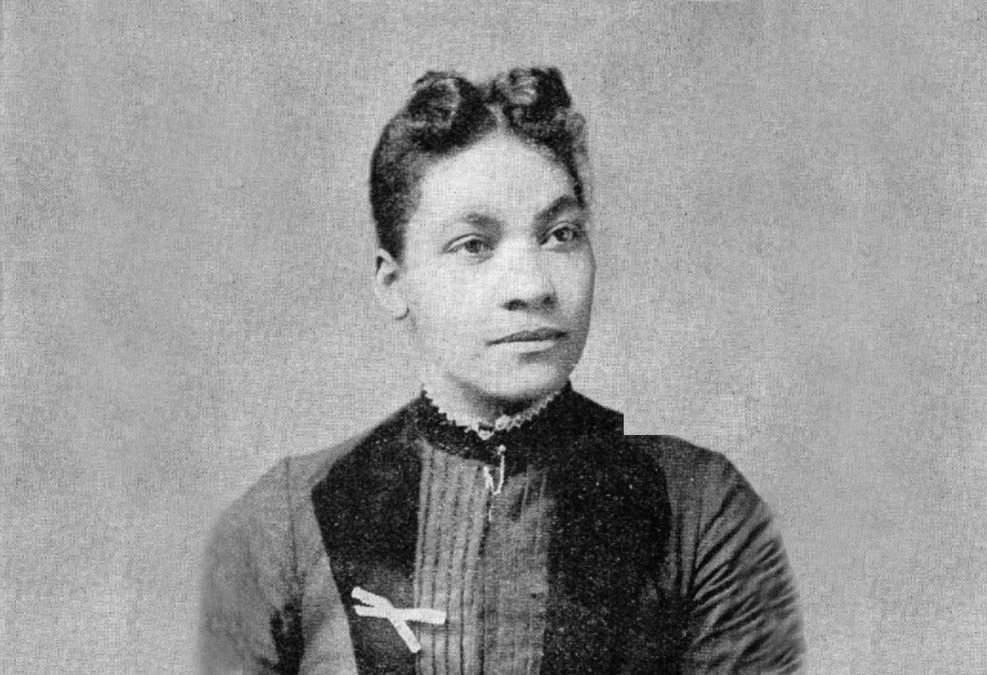
When it comes to beginnings, little is known about Dr. Rebecca Lee Crumpler (February 8, 1831 – March 9, 1895), but what she accomplished in life is no mystery. She transformed American medicine through a combination of intellectual brilliance, clinical skill and unwavering commitment to underserved patients. In 1864, she became the first African American woman in the United States to earn a medical degree, graduating from the New England Female Medical College in Boston. At a time when both women and Black Americans were largely barred from higher education, her achievement required exceptional academic ability and resolve.
Raised by an aunt who lived in Pennsylvania, Dr. Crumpler often accompanied her on trips to care for sick neighbors. Witnessing her aunt’s kindness and care toward others inspired her to choose a path in medicine.
Before medical school, Dr. Crumpler worked for years as a nurse, earning the respect of physicians who wrote formal recommendations for her admission. Their endorsements reflected what her later career made unmistakable: she had an incisive clinical mind, a keen eye for diagnosis and a sophisticated understanding of patient care that went beyond the standards of her era.
After the Civil War, Dr. Crumpler moved to Richmond, Virginia, to provide medical care to newly freed men, women, and children. Working with the Freedmen’s Bureau and local charities, she practiced in conditions of severe poverty and amid open hostility from many white colleagues and residents. Despite this, she focused on preventing disease as much as treating it, emphasizing hygiene, nutrition and maternal and child health. Her work in Richmond effectively made her an early practitioner of what is now called community and public health medicine.
Returning to Boston, she established a practice in the Beacon Hill neighborhood, again serving primarily poor and Black patients. Her clinical focus on women and children culminated in a groundbreaking book, A Book of Medical Discourses, published in 1883. Drawing on decades of experience, the book offered clear, practical guidance on pregnancy, childbirth, infant care and the management of childhood diseases. It is one of the first medical texts written by an African American and stands as an early model of accessible, evidence-informed health education for laypeople.
Dr. Crumpler’s legacy in medicine is not just that she was “the first,” but that she used her training at the highest level of difficulty, both medically and socially. She combined scientific rigor with deep compassion, pushed the boundaries of who could be a physician in America and left behind a body of work that centered the health of those most often ignored by the medical establishment.