




Here’s a fun fact: The moment you record that voice memo of a melody, you technically own it.
Yay, copyright!
But, here’s the messy reality: If someone steals it, “I swear I recorded it on my iPhone in 2024” doesn’t really work in court.
Protecting your music isn’t just for lawyers in suits. Getting started on your own is simple; and it can save you from a massive headache down the road.
Let’s talk about how to protect your music without needing a law degree, according to the Musicians Institute, a prominent contemporary music college in Hollywood, California.
Don’t Say, “I’ll Remember That” (You Won’t)
Keeping records of your work is crucial for any creative, especially when it comes to protecting your original ideas. Save all drafts, audio recordings and date-stamped versions of your songs. It allows you create a solid trail that proves your ownership of your creations. It’s like having an insurance policy for your creativity!
Make Your Laptop Your Bandmate
Leverage digital tools like cloud storage or dedicated songwriting apps. They not only help you stay organized but also make it super easy to access your work anytime, anywhere. Plus, when those bursts of inspiration hit, you’ll be ready to capture them without worrying about losing your ideas.
Don’t Leave Money on the Table – It Will Just Sit There
Sign up with a Performing Rights Organization (PRO) like ASCAP, BMI, or SESAC. These groups gather payments for songwriters when their music is played in public, like on the radio, at live events or on streaming services.
By registering your songs with a PRO, you make sure you get paid for your work.
Be a Digital Ninja
In today’s digital world, your music can easily reach many different platforms. Utilizing tools like Google Alerts or platforms such as TuneCore and SoundExchange allows you to track where your songs are being played. This way, you can determine if anyone is using your music without permission and ensure that you receive the right credit and payments.
Regardless of whether you’re an experienced expert or a newcomer to the industry, developing a habit of keeping detailed records will pay off in the long run, giving you peace of mind and a clearer view of your creative journey. This practice becomes especially important as more Black artists are stepping up to the legal plate, working to reclaim the rights to their hit songs – especially those released in 1991, which are now eligible under the Copyrights Act of 1976.
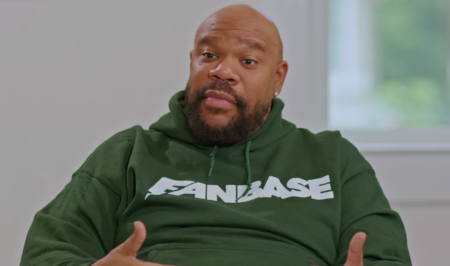
Mint Condition’s “Breakin’ My Heart (Pretty Brown Eyes)” is one of those monster hits we speak of because it perfectly blends the era’s trendy new-jack swing production with the timeless, soulful sound of a self-contained live band. Released in November 1991 as the second single from their debut album Meant to Be Mint, the track soared to #6 on the Billboard Hot 100 and #3 on the R&B charts, fueled by its irresistible “bom-bom” synth bassline and the elastic, soaring vocals of lead singer Stokley Williams.
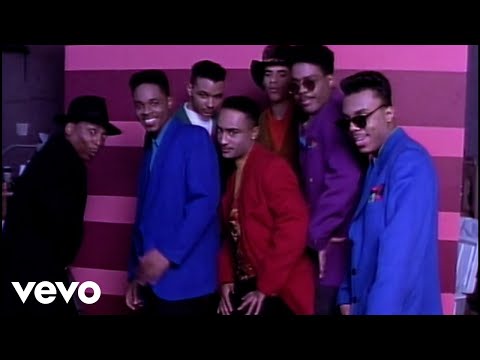
In a musical landscape dominated by producers and vocal groups, Mint Condition distinguished themselves as a fully functional band, providing the song with a live, organic sound that stood out against the glossy, manufactured tracks of their contemporaries. The production of “Breakin’ My Heart”, a collaboration between the group – it was written by members of the band, specifically Jeffrey Allen, Stokley Williams, Ricky Kinchen, Lawrence Waddell and Homer Odell – and Jellybean Johnson from The Time, featured a smooth, jazzy groove that was both danceable and romantic, encapsulating the essence of the “slow-dance swoon” while maintaining a funky edge.
Stokley’s vocal performance added to the song’s allure, as he masterfully conveyed emotional longing, building intensity as the track progressed. With catchy hooks, like the iconic synth and bass opening, the memorable “Pret-ty. Brown. EYES!” whisper, and an engaging sax solo, the song became unforgettable. Its cultural resonance has proven enduring; even decades later, “Breakin’ My Heart” enjoys renewed popularity on platforms like TikTok, where it has been featured in hundreds of thousands of videos, racking up millions of views.
Despite its initial release 35 years ago, the track continues to be celebrated for its musical sophistication, solidifying its status as a staple of ’90s R&B. Its smooth melodies and captivating lyrics have not only resonated with fans throughout the decades but have also influenced countless artists and genres that followed.

Still, in an era where artists are increasingly claiming their work, it’s noteworthy that the copyright is currently held by Perspective Records/A&M Recordings Ltd, with master rights belonging to UMG (Universal Music Group). Many fans and critics alike are looking forward to seeing this change, as the conversation around artists’ rights and ownership of their music gains momentum.
It’s exciting to think about the possibilities for this timeless track if it were to find its way into the hands of those who created it.