






The Genius of Black People
Created by Rev. Dr. Otis Moss III, TheHub.news presents its Black History Month series celebrating the genius of Black people—stories of courage, faith and creativity forged in struggle. Inspired by ancestors like Walter Francis White, this series honors sacred memory and lifts up the divine brilliance shaping justice and resilience today.
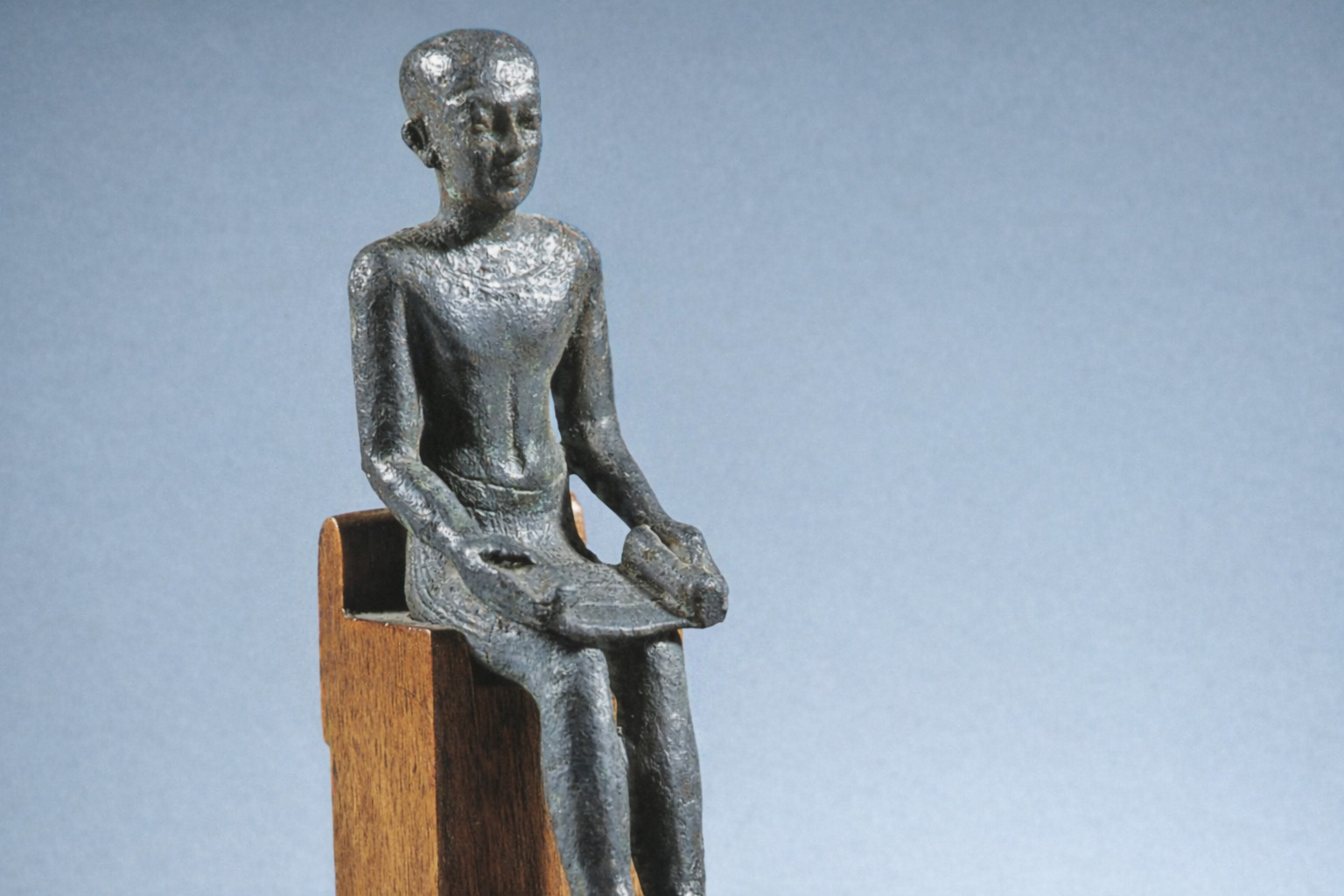
Imhotep (Greek: Imouthes; c. 2667–2600 BCE) stands among the most influential intellectual figures of the ancient world, a polymath whose medical genius helped shape the foundations of medicine as it is practiced today. Living in Egypt during the Third Dynasty (c. 27th century BCE), Imhotep served as chief architect to Pharaoh Djoser, high priest, scholar and physician. While he is widely celebrated for designing the Step Pyramid at Saqqara, his contributions to medical science are equally profound and enduring.
Ancient Egyptian medicine before Imhotep blended spiritual ritual with practical healing. What distinguishes Imhotep is the shift toward systematic observation, diagnosis and treatment. Medical texts associated with his legacy, most notably the Edwin Smith Papyrus, reflect a clinical approach grounded in anatomy and empirical reasoning. The papyrus describes injuries, symptoms, prognoses and treatments in a logical sequence, closely resembling the structure of modern medical case studies. Although compiled centuries after his lifetime, the text is widely believed to preserve Imhotep’s medical philosophy.
Imhotep emphasized rational assessment over superstition, particularly in trauma care. He recognized the brain as central to bodily function, described spinal injuries and distinguished between conditions that could be treated and those that could not, an ethical clarity echoed in modern triage and prognosis. This method marked a critical transition from mystical healing toward evidence-based practice.
So influential was Imhotep’s medical legacy that he was later deified as a god of healing, a rare honor reflecting centuries of reverence. Greek physicians, including those associated with the cult of Asclepius, drew inspiration from Egyptian medical knowledge, creating a lineage that links Imhotep directly to Western medical traditions.
Imhotep’s genius reminds us that modern medicine did not emerge in isolation. Its roots lie deeply in African intellectual history, where careful observation, ethical responsibility and scientific curiosity first converged to heal the human body.
Sources: www.britannica.com; www.worldhistory.org; www.picryl.com