

Close Menu
TheHub.news

    Before Prince: The Ecosystem That Made the Minneapolis Sound Possible

    By Insight News

    On This Day in History: Civil Rights Leader Stokely Carmichael Was Born

    By Shayla Farrow

    Did You Know Actress Tichina Arnold Was Born on This Day?

    By Shayla Farrow

    Subscribe to Updates

    Get the latest creative news from FooBar about art, design and business.

    X (Twitter) Instagram YouTube
    X (Twitter) Instagram YouTube
    TheHub.news
    Support Our Work
    • Home
    • Our Story
      • News & Views
        • Politics
        • Injustice
        • HBCUs
        • Watch
      • Food
        • Cuisine Noir
        • soulPhoodie
      • Passport Heavy
      • Travel
      • Diaspora
      • This Day
      • Entertainment
      • History
      • Art
      • Music
    • Health
    • Money
      1. Copper2Cotton
      2. View All

      August 2018 Net Worth Update

      December 9, 2025

      Dividend Update: August 2018

      December 9, 2025

      How to Fight Inflation and Win

      December 9, 2025
      Passive Income

      Be Passive About Your $

      November 17, 2025

      You Must Be an Owner to Win 

      June 23, 2026

      Economic Empowerment Has Always Been a Part of Black History

      February 12, 2026

      How to Fight Inflation and Win

      December 9, 2025

      August 2018 Net Worth Update

      December 9, 2025
    • Books
    • Business
    • Sports
      1. First and Pen
      2. View All

      Boomer Esiason Exemplifies the Need for More Black Sports Radio Voices

      June 26, 2026

      Kendrick Perkins Adding GM, Jackson St. Men’s Basketball to Resume

      June 24, 2026

      The Knicks United Us, Which Is Why They Don’t Need to Visit Tr**p

      June 23, 2026

      James Green Never Wanted to Wrestle, But He Was Meant to

      June 22, 2026

      Boomer Esiason Exemplifies the Need for More Black Sports Radio Voices

      June 26, 2026

      Kendrick Perkins Adding GM, Jackson St. Men’s Basketball to Resume

      June 24, 2026

      The Knicks United Us, Which Is Why They Don’t Need to Visit Tr**p

      June 23, 2026

      James Green Never Wanted to Wrestle, But He Was Meant to

      June 22, 2026
    • Tech
    • Podcasts
      1. Karen Hunter is Awesome
      2. Lurie Breaks it Down
      3. Human(ing) Well with Amber Cabral
      4. Financially Speaking
      5. In Class with Carr
      6. View All

      Before Prince: The Ecosystem That Made the Minneapolis Sound Possible

      June 29, 2026

      On This Day in History: Civil Rights Leader Stokely Carmichael Was Born

      June 29, 2026

      Did You Know Actress Tichina Arnold Was Born on This Day?

      June 28, 2026

      Saloon Doors: How Black Bars Are Reclaiming Western Style

      June 27, 2026

      Before Prince: The Ecosystem That Made the Minneapolis Sound Possible

      June 29, 2026

      On This Day in History: Civil Rights Leader Stokely Carmichael Was Born

      June 29, 2026

      Did You Know Actress Tichina Arnold Was Born on This Day?

      June 28, 2026

      Saloon Doors: How Black Bars Are Reclaiming Western Style

      June 27, 2026

      Before Prince: The Ecosystem That Made the Minneapolis Sound Possible

      June 29, 2026

      On This Day in History: Civil Rights Leader Stokely Carmichael Was Born

      June 29, 2026

      Did You Know Actress Tichina Arnold Was Born on This Day?

      June 28, 2026

      Saloon Doors: How Black Bars Are Reclaiming Western Style

      June 27, 2026

      Before Prince: The Ecosystem That Made the Minneapolis Sound Possible

      June 29, 2026

      On This Day in History: Civil Rights Leader Stokely Carmichael Was Born

      June 29, 2026

      Did You Know Actress Tichina Arnold Was Born on This Day?

      June 28, 2026

      Saloon Doors: How Black Bars Are Reclaiming Western Style

      June 27, 2026

      Before Prince: The Ecosystem That Made the Minneapolis Sound Possible

      June 29, 2026

      On This Day in History: Civil Rights Leader Stokely Carmichael Was Born

      June 29, 2026

      Did You Know Actress Tichina Arnold Was Born on This Day?

      June 28, 2026

      Saloon Doors: How Black Bars Are Reclaiming Western Style

      June 27, 2026

      In Class with Carr: Juneteenth and the Unyielding Work of Liberation

      June 19, 2026

      In Class with Carr: We Are All Greenwood

      June 1, 2026

      In Class with Carr: Everything Ends: White Nationalism vs a Third US Reconstruction

      May 11, 2026

      In Class with Carr: “Last Whiteness Standing”

      May 5, 2026
    TheHub.news
    Entertainment

    Before Prince: The Ecosystem That Made the Minneapolis Sound Possible

    By Insight NewsJune 29, 20268 Mins Read
    Share Email Copy Link
    Image credit: ShutterStock
    Share
    Facebook Twitter LinkedIn Email Copy Link Threads

    Ask most Americans about Black music in Minnesota and the first answer is Prince. The second might be Jimmy Jam and Terry Lewis. A few will name Sounds of Blackness, Mint Condition, Alexander O’Neal or Morris Day. All deserve recognition. Each helped transform American music and carry Minnesota’s influence around the globe.

    But the deeper story is not about a handful of stars. It is about a people.
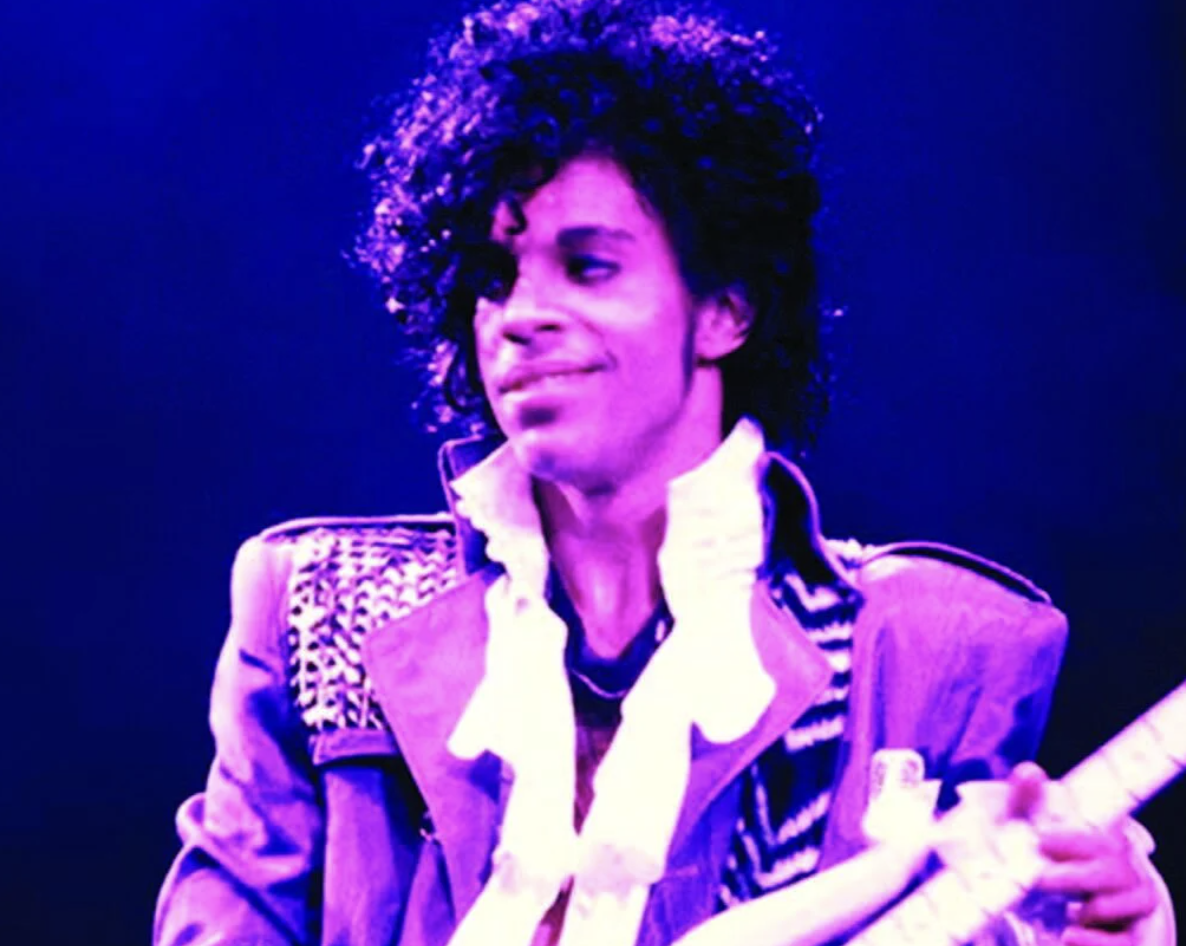
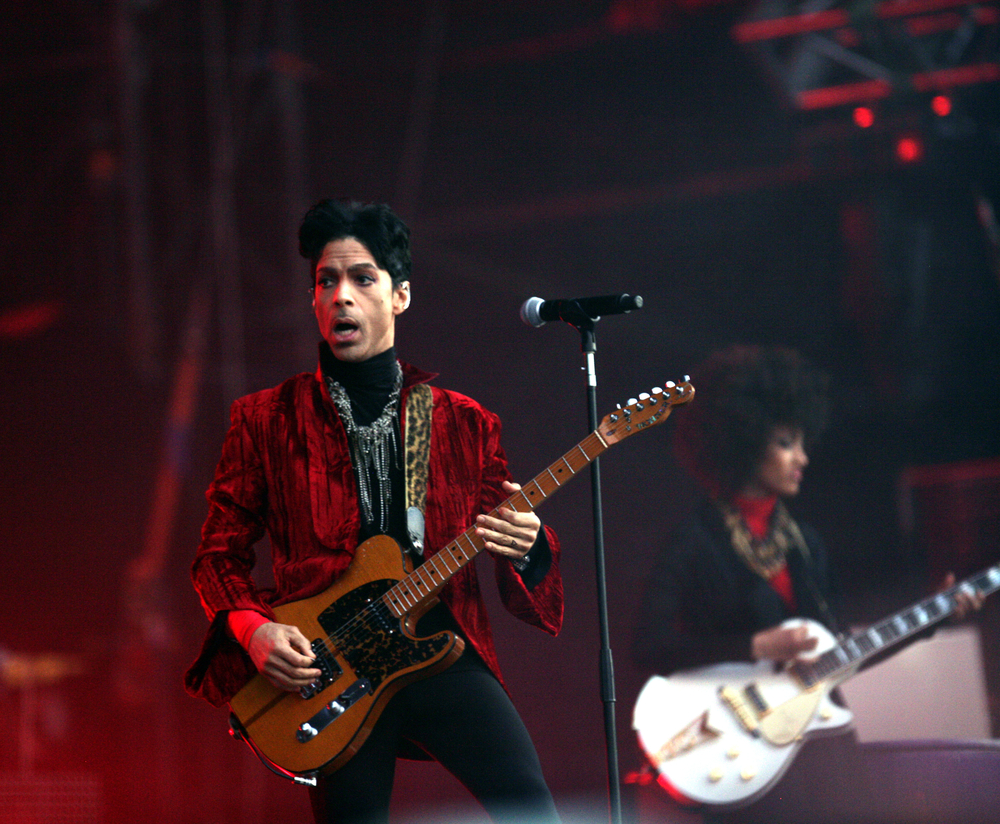
    Prince Rogers NelsonRichard E. Aaron/Redferns

    Prince was not the beginning. He was the flowering of seeds planted by club owners, church musicians, jazz educators, photographers, radio voices, business owners, community organizers and families who built a Black cultural infrastructure long before the rest of America was paying attention.

    For more than a century, Black Minnesotans built that infrastructure: churches, choirs, jazz clubs, supper clubs, radio stations, newspapers, photographers, promoters, educators, youth organizations and musical families. They nurtured artists, protected expression, documented community life, and ultimately reshaped American music. When mainstream institutions excluded Black artists, Black Minnesotans built institutions of their own. Out of that ecosystem emerged one of the most influential regional music cultures in the country.

    “Ecosystem, not solitary genius — that is the spine of this project.”

    The foundations: four generations

    The story begins before anyone now living can remember — in the early decades of the twentieth century, when Black families began settling in Minneapolis and Saint Paul in significant numbers, drawn by railroad work, domestic service, and the small but real wage premium the Twin Cities offered over the Deep South.

    They brought music with them. They built churches and the churches built choirs. They built fraternal lodges and the lodges held dances. They built barbershops and beauty salons that became informal booking agencies. They built newspapers — among them the Minneapolis Spokesman and the Saint Paul Recorder — that covered Black artists as a matter of civic pride when no other paper would.

    Out of those institutions came the first generation of professional Black musicians in Minnesota: the men and women who performed in hotel lounges and supper clubs before there were jazz clubs to speak of, who played in church orchestras before there was KMOJ to broadcast them, who trained the children who trained the children who would one day become famous.

    The rooms where the music lived

    You cannot understand the Minneapolis Sound without understanding the physical spaces that incubated it. These were not glamorous venues by the standards of Chicago or New York. They were neighborhood rooms — supper clubs, cocktail lounges, dance halls, church fellowship halls — and they were everything.

    The Cozy Bar on North Lyndale was one of them. A Black-owned R&B room run by Jimmy and Margaret Fuller, it sat in the path of I-94 and was condemned by Mn/DOT in 1977. Before it closed, the Cozy Bar hosted a generation of artists and, more famously, fired a teenage Prince, Jimmy Jam, and Terry Lewis for being fifteen years old. That firing — from a Black club, by a Black owner, for violating an age rule that mattered — is itself a window into the seriousness of that world. Music was a profession. The clubs had standards.

    Tafi’s opened at 12–14 North Fifth Street on January 4, 1971. The Ahmad Jamal Trio played the opening night. James “Tafi” Babington-Johnson Jr. had built a room worthy of one of jazz’s great pianists — in Minneapolis, in the winter of 1971. That is the level at which this scene operated.

    The Blue Note Cocktail Lounge at 622 11th Avenue North opened in 1962. It is documented. It existed. When another artificial-intelligence tool recently told our research team the Blue Note couldn’t be verified, the primary sources said otherwise. That kind of erasure — the dismissal of Black institutions because their records weren’t kept in the places researchers usually look — is one of the reasons this project exists.

    The Flame Café at 16th and Nicollet was hosting jazz by 1955 — not 1950, as some sources claim. Dizzy Gillespie came from Birdland. Dizzy Gillespie came to Minneapolis.

    The Riverview Supper Club at 2319 West River Road opened in April 1980 with Melba Moore headlining the grand opening. It ran for twenty years, closing in December 2000. The Riverview was where Cornbread Harris — born 1927, performer on Minnesota’s first rock ’n’ roll record in 1955, father of Jimmy Jam — performed regularly. A living bridge between the supper-club era and the Minneapolis Sound, Cornbread Harris is still playing weekly at Palmer’s Bar.

    The White House at 4900 Olson Memorial Highway in Golden Valley was another room where the tradition lived. In the early 1980s, I dined there and watched pianists Jimmy Bowman and Leonard “Baby Doo” Caston perform together — their names on the entryway poster, billed as featured artists. The White House became Tai Ping in 1983. That transition, a supper-club era closing as the Minneapolis Sound was rising, is the kind of overlap this history is full of. Old roots, new branches.

    “When mainstream institutions excluded Black artists, Black Minnesotans built institutions of their own.”

    The musical dynasties

    The Minneapolis Sound did not emerge from nowhere. It emerged from families.

    Cornbread Harris is the father of Jimmy Jam. Doris Hines — a Twin Cities jazz legend who performed alongside Duke Ellington, Ella Fitzgerald, Sarah Vaughan, Dinah Washington and Harry Belafonte — is the mother of Gary Hines of Sounds of Blackness. The Steeles, the gospel group, came to Minnesota from Gary, Indiana, and built a base here. The Fuller family built the Cozy Bar and the Riverview — father and son, two generations, two eras.

    These are not footnotes to the Minneapolis Sound. They are its genealogy. The musicians who made Minnesota famous in the 1980s were the children and grandchildren, in some cases literally and in others artistically, of the people who built the infrastructure in the 1950s and 1960s.

    The radio voices

    No institution did more to build Black musical culture in Minnesota than radio. KUXL launched in 1961 as a daytime-only station, Black-owned under Jack Harris and Black and Proud Records, with Rio Pardo at the helm. It was the first voice in the market speaking directly to the Black community in the Black community’s musical language.

    KMOJ followed in 1976 — its call letters drawn from the Swahili word umoja, unity. KMOJ became the sound of North Minneapolis, the station that introduced the community to music it would not have heard otherwise, and that launched or amplified the careers of artists who went on to international recognition.

    My late friend and colleague Yusef Mgeni — born Charles Anderson III, raised in Rondo, a founding voice of Black civic life in the Twin Cities — is a documented primary source on KUXL’s early years through the Rondo Oral History Project. That oral history is part of our ongoing research. The voices of those who built this world are still recoverable. That is what makes this project urgent.

    What this project is

    This installment is the first of ten. Together they will constitute a multi-platform community history project: a print series in Insight News, a permanent searchable web archive, broadcast segments on The Conversation with Al McFarlane on KFAI 90.3 FM, a serialized podcast, a community listening session, and ultimately a book.

    The working title is Black Music in Minnesota: The People, Places and Institutions that Changed America.

    We are building this archive from three sources: documented historical record, living oral testimony, and the institutional memory of Insight News itself, which has been covering this community since 1974. Where the archive is incomplete, the living elders fill the gaps. Where the elders’ memories need grounding, the archive confirms or questions. That is the method.

    Cornbread Harris is still playing at Palmer’s Bar every week. We intend to sit down with him before another season passes. There are others whose testimony belongs in the permanent record. This is not a retrospective. It is a rescue.

    “This is not a retrospective. It is a rescue.”

    Coming in Installment 2

    The clubs in detail: a guided tour of the rooms where the music lived, from the Nacirema to Tafi’s to the Riverview — and the entrepreneurs who built them.

    • Trump vs. Tucker Carlson Isn’t a MAGA Split. It’s a Fight Over Who Gets to Run the Clown Car to Hell.
    • Prince Loved Books
    • Prince’s Estate Unveils 2 Previously Unreleased Tracks As Part of Vault Series
    • Jimmy Carter Freed His Nanny From Modern Day Slavery
    • Nearly Half of Prince’s Estate Sold to Primary Wave
    Minneapolis Prince Thehub.news
    Insight News

    Insight News started in 1974 as a color cover magazine based in and serving Minneapolis’ African American north side. It was owned by Graphic Services, Inc., a general printing and magazine publishing firm in Northeast Minneapolis. Al McFarlane, headed the Midwest Public Relations division of Graphic Services. McFarlane, a 26 year-old media enthusiast, had previously worked for the St. Paul Pioneer Press as a reporter and for General Mills in public relations. He purchased rights to Insight News in 1975 and began publishing as a community newspaper in 1976.

    Related Stories

    In a Year of Threats to Cultural Institutions, Black Creativity Still Takes Center Stage

    December 1, 2025

    Angélique Kidjo Becomes First Black African Performer to Be Awarded A Star on the Hollywood Walk of Fame

    July 7, 2025

    American Black Film Festival Returns to Miami Beach

    June 12, 2025

    Lurie Daniel Favors Unveils a Powerful New Podcast on the Women’s Empowerment Network

    March 6, 2025

    The Story of a Celebrated Black Librarian and the Secret She Fiercely Protected, Honored in NYC Exhibit 

    February 6, 2025

    Wendy Williams Speaks Out: “I Feel Like I’m in Prison”

    January 16, 2025
    Recent Posts
    • Before Prince: The Ecosystem That Made the Minneapolis Sound Possible
    • On This Day in History: Civil Rights Leader Stokely Carmichael Was Born
    • Did You Know Actress Tichina Arnold Was Born on This Day?
    • Saloon Doors: How Black Bars Are Reclaiming Western Style
    • Did You Know Poet Paul Laurence Dunbar Was Born on This Day?

    Before Prince: The Ecosystem That Made the Minneapolis Sound Possible

    By Insight News

    On This Day in History: Civil Rights Leader Stokely Carmichael Was Born

    By Shayla Farrow

    Did You Know Actress Tichina Arnold Was Born on This Day?

    By Shayla Farrow

    Saloon Doors: How Black Bars Are Reclaiming Western Style

    By Insight News

    Subscribe to Updates

    A free newsletter delivering stories that matter straight to your inbox.

    About
    About

    TheHub.news is a storytelling and news platform committed to telling our stories through our lens. With facts at the center, we document the lived reality of our experience globally—our progress, our challenges, and our impact—without distortion, dilution, or apology.

    X (Twitter) Instagram YouTube

    Before Prince: The Ecosystem That Made the Minneapolis Sound Possible

    By Insight News

    On This Day in History: Civil Rights Leader Stokely Carmichael Was Born

    By Shayla Farrow

    Did You Know Actress Tichina Arnold Was Born on This Day?

    By Shayla Farrow

    Saloon Doors: How Black Bars Are Reclaiming Western Style

    By Insight News

    Subscribe to Updates

    A free newsletter delivering stories that matter straight to your inbox.

    © 2026 TheHub.news A 501(c)(3) tax-exempt organization.

    Type above and press Enter to search. Press Esc to cancel.