


Close Menu
TheHub.news

    In Class with Carr: Black History in Times of Trouble

    By TheHub.news Staff

    Reconstruction’s Revenge: The Birth of Jim Crow and the Ritual of Lynching

    By Dr. Stacey Patton

    Sandra Idehen Named League One Volleyball’s First Commissioner

    By FirstandPen

    Subscribe to Updates

    Get the latest creative news from FooBar about art, design and business.

    X (Twitter) Instagram YouTube
    X (Twitter) Instagram YouTube
    TheHub.news
    Support Our Work
    • Home
    • Our Story
      • News & Views
        • Politics
        • Injustice
        • HBCUs
        • Watch
      • Food
        • Cuisine Noir
        • soulPhoodie
      • Passport Heavy
      • Travel
      • Diaspora
      • This Day
      • Entertainment
      • History
      • Art
      • Music
    • Health
    • Money
      1. Copper2Cotton
      2. View All

      August 2018 Net Worth Update

      December 9, 2025

      Dividend Update: August 2018

      December 9, 2025

      How to Fight Inflation and Win

      December 9, 2025
      Passive Income

      Be Passive About Your $

      November 17, 2025

      How to Fight Inflation and Win

      December 9, 2025

      August 2018 Net Worth Update

      December 9, 2025

      More Blacks Needed On Corporate Boards

      December 9, 2025
      Passive Income

      Be Passive About Your $

      November 17, 2025
    • Books
    • Business
    • Sports
      1. First and Pen
      2. View All

      Fritz Pollard Alliance Issues Statement on ICE in Minnesota

      January 28, 2026

      Where Is the Black Athlete Anger for Lane Kiffin’s “Make Baton Rouge Great” Post?

      January 28, 2026

      Vince Carter, Tracy McGrady Partner to Host “Cousins” Podcast

      January 23, 2026

      So Where Do Black NFL Head Coaches Stand in 2026?

      January 20, 2026

      Sandra Idehen Named League One Volleyball’s First Commissioner

      February 2, 2026

      To Protect and Serve…I Guess?!?

      January 30, 2026

      Fritz Pollard Alliance Issues Statement on ICE in Minnesota

      January 28, 2026

      Where Is the Black Athlete Anger for Lane Kiffin’s “Make Baton Rouge Great” Post?

      January 28, 2026
    • Tech
    • Podcasts
      1. Karen Hunter is Awesome
      2. Lurie Breaks it Down
      3. Human(ing) Well with Amber Cabral
      4. Financially Speaking
      5. In Class with Carr
      6. View All

      In Class with Carr: Black History in Times of Trouble

      February 2, 2026

      Reconstruction’s Revenge: The Birth of Jim Crow and the Ritual of Lynching

      February 2, 2026

      Sandra Idehen Named League One Volleyball’s First Commissioner

      February 2, 2026

      New Lawsuit Claims NYPD Treated Black and Latino Drivers Like Criminals by Default

      February 2, 2026

      In Class with Carr: Black History in Times of Trouble

      February 2, 2026

      Reconstruction’s Revenge: The Birth of Jim Crow and the Ritual of Lynching

      February 2, 2026

      Sandra Idehen Named League One Volleyball’s First Commissioner

      February 2, 2026

      New Lawsuit Claims NYPD Treated Black and Latino Drivers Like Criminals by Default

      February 2, 2026

      In Class with Carr: Black History in Times of Trouble

      February 2, 2026

      Reconstruction’s Revenge: The Birth of Jim Crow and the Ritual of Lynching

      February 2, 2026

      Sandra Idehen Named League One Volleyball’s First Commissioner

      February 2, 2026

      New Lawsuit Claims NYPD Treated Black and Latino Drivers Like Criminals by Default

      February 2, 2026

      In Class with Carr: Black History in Times of Trouble

      February 2, 2026

      Reconstruction’s Revenge: The Birth of Jim Crow and the Ritual of Lynching

      February 2, 2026

      Sandra Idehen Named League One Volleyball’s First Commissioner

      February 2, 2026

      New Lawsuit Claims NYPD Treated Black and Latino Drivers Like Criminals by Default

      February 2, 2026

      In Class with Carr: Black History in Times of Trouble

      February 2, 2026

      Reconstruction’s Revenge: The Birth of Jim Crow and the Ritual of Lynching

      February 2, 2026

      Sandra Idehen Named League One Volleyball’s First Commissioner

      February 2, 2026

      New Lawsuit Claims NYPD Treated Black and Latino Drivers Like Criminals by Default

      February 2, 2026

      In Class with Carr: Black History in Times of Trouble

      February 2, 2026

      The Rise of the “Righteous Whites” and the Collapse of Plausible Deniability

      January 24, 2026

      How Insurers Use Your ZIP Code and Credit Score Against You

      January 21, 2026

      In Class With Carr: New World Order

      January 19, 2026
    TheHub.news
    Diaspora

    An inside look at Carnival in Salvador Bahia

    By SedFebruary 28, 20235 Mins Read
    Share Email Copy Link
    Share
    Facebook Twitter LinkedIn Email Copy Link Threads

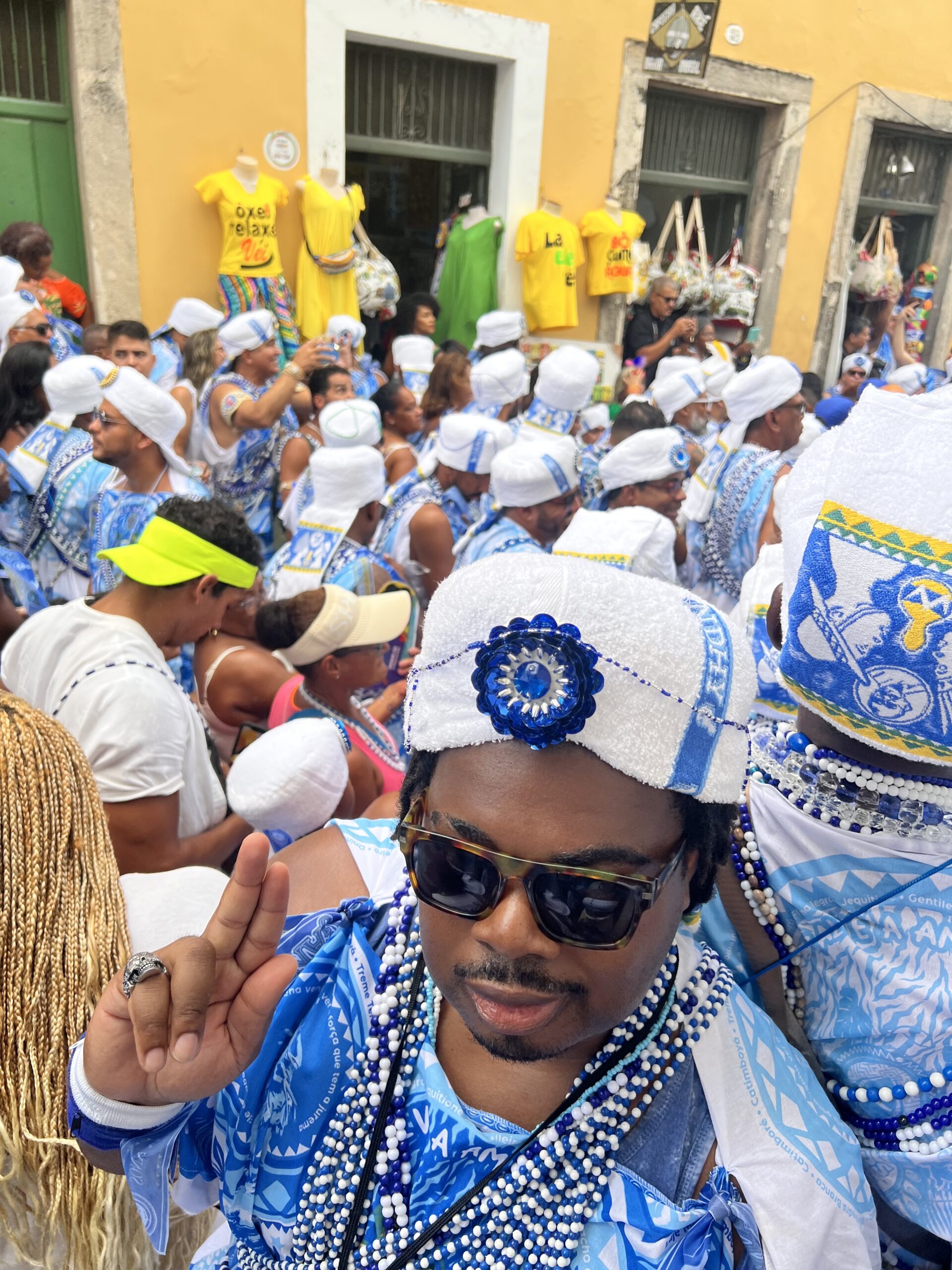
    Carnival season has ended, and I wanted to share my recent experience at the largest street carnival in the world in Salvador Bahia, Brazil.

    Specifically, I want to give an inside look into my first experience with the Bloco Afros (historic Black carnival bands and supporters), Filhos de Gandhy- or the “Sons of Gandhi.” Also, I will share the agenda for my USA/Brazil diaspora project, Atlantic Archives, and how you can get involved.

    https://www.instagram.com/reel/Co8z7MEttaq/?utm_source=ig_web_copy_link

    Bloco Afros, or Afro-Brazilian carnival groups, have a rich and complex history in Salvador Bahia, Brazil. These groups emerged in the 1970s as a response to the marginalization of Afro-Brazilian culture and the exclusion of black people from mainstream carnival celebrations. Today, Afro Blocos are a central feature of Salvador’s carnival and a powerful symbol of black resistance, pride, and identity.

    https://www.instagram.com/p/CpAI3ZoOIej/?utm_source=ig_web_copy_link

    Na foto de Mateus Pereira, a rainha do bloco Ilê Aiyê pic.twitter.com/HfWd66muI5

    — Bahia Já (@bahiaja) February 19, 2023

    The first Afro Blocos emerged in the mid-1970s, inspired by the Black Consciousness movement and the long legacy of slavery in Brazil. The most notable of these groups is Ilê Aiyê, which was founded in 1974 and remains one of the most popular and influential Afro Blocos in Salvador. Ilê Aiyê’s theme is “beauty, strength, and Blackness,” and it has a strong focus on promoting Afro-Brazilian culture and identity.

    Other notable Afro Blocos include Olodum, Muzenza, and Malê Debalê.

    Tradição e resistência. O bloco Ilê Aiyê é a expressão da negritude baiana no Carnaval de Salvador. Mais que uma agremiação, a turma do Ilê é escola, abrigo e campo fértil para o povo preto. Mais detalhes na nossa reportagem, disponível em: https://t.co/bBJFtIGRbq pic.twitter.com/ns9BZRuzGZ

    — Revista O Grito! (@revistaogrito) February 17, 2023

    Afro Blocos are organized around a hierarchical structure, with a director and a board of directors overseeing the group’s activities. Members of the group are organized into “sections” based on their roles, such as musicians, dancers, or flag bearers. Each Bloco Afrohas its own unique style and theme, which is reflected in their costumes, music and choreography.

    Afro Blocos have had a significant impact on the social and cultural landscape of Salvador and Bahia. These groups have provided a space for black people to express themselves, celebrate their culture and assert their rights.

    They have also played a key role in the struggle for civil rights and racial equality in Brazil, challenging the dominant narrative of Brazilian identity as being exclusively white.

    Michael Jackson & Olodum – TDCAU pic.twitter.com/TqQQbTJ3v6

    — Moonlight’s Media (@moonlightsmedia) January 10, 2023

    In recent years, Bloco Afros have also become an important cultural and economic resource for the city of Salvador. They attract thousands of tourists each year, generate significant revenue for local businesses and provide employment opportunities for musicians, dancers, and artisans. However, some critics have raised concerns about the commercialization and co-optation of Afro Blocos, arguing that they have become too focused on entertainment and less on social justice issues.

    Since my first visit to Brazil, I have witnessed the mystic of the Filhos de Gandhy brotherhood. After three years without a carnival, I decided to join “Gandy” with a group of friends finally.  The organization began in 1949 as a union of Black dock workers in Salvador, Bahia and Brazil and has become a significant cultural institution in Brazil and beyond. 

    Deixa eu curtir O Ilê Aiyê, o Bloco da Liberdade.#LulaEoPToBlocoDaPaz @LulaOficial
    @radioptbrasil @ptbrasil pic.twitter.com/mtF0iePJ02

    — Samuel Felix???? (@parasamuel) February 27, 2022

    The history of the Filhos de Gandhy is closely linked to the religious practices of the Candomblé spirituality in Brazil. The group adopted the name Gandhy as a way of paying tribute to the Indian leader, who was a symbol of non-violent resistance and social justice. They have appropriated the name to promote social justice, equality and racial pride in the Afro-Brazilian community.

    Gandhy is known for its distinctive white robes, blue accessories,  and turbans. The white robes and turbans are a symbol of peace, harmony and purity. The presence of the massive group during the carnival is a magnificent sight. My friends and I visited a house in the Liberdade neighborhood to have our turbans fitted by a special seamstress.

    The costume package includes one large embossed towel. She then shapes the towel into a turban shape and sews it in place by hand. 

    The bloco’s signature sound is the ijexá, a rhythm from the candomblé religion that originated in West Africa and was brought to Brazil by enslaved Africans. The ijexá is characterized by its syncopated beats and complex polyrhythms, and it forms the backbone of many of the bloco’s songs.

    https://www.instagram.com/reel/Co-KfD5rJry/?utm_source=ig_web_copy_link

    In addition to the ijexá, the Filhos de Gandhy also incorporate other Afro-Brazilian rhythms into their music, such as samba-reggae and afoxé. They use a variety of percussion instruments, including the atabaque, agogô and repique, to create a dynamic and layered sound that is both festive and spiritual.

    The preparation for carnival season begins months in advance, with rehearsals and costume making. Notable members of Filhos de Gandhy include Brazilian musician Gilberto Gil, who was a member in the 1960s and 1970s, and Brazilian politician and social activist Abdias do Nascimento, who was a founding member of the bloco.

    https://twitter.com/gilbertogil/status/1494728463412047873?s=20

    During the Parade, thousands of Gandhy members march and dance in front of and behind the band, which sits atop a large triple-decker truck called a trio-electrico. My favorite part of this experience was the joy on the children’s faces as they watch the bloco pass by.

    Like Mardi Gras in New Orleans, onlookers wait for or request to be gifted one of the many blue and white beaded necklaces carried by the bloco members as a symbol of fortune or to be misted with the lavender perfume carried by the Gandhy members. 

    https://www.instagram.com/reel/Co4koyuPJjF/?utm_source=ig_web_copy_link

    It wasn’t all play during the carnival. My team and I were filming for a series of short documentaries about the many connections between Black communities in Brazil and the United States.

    The educational series “From Below” is supported in part by Karen Hunter Media.

    Some of the subjects include the struggle for Black History Curriculum in schools, sexual tourism, and Black spiritual practices. The documentary series centers on working class and intersectional realities. 

    Here’s a preview:

    https://www.instagram.com/reel/CpEh5byArOl/?utm_source=ig_web_copy_link

    You can learn more about our work for 2023 and join us by downloading an information packet here:
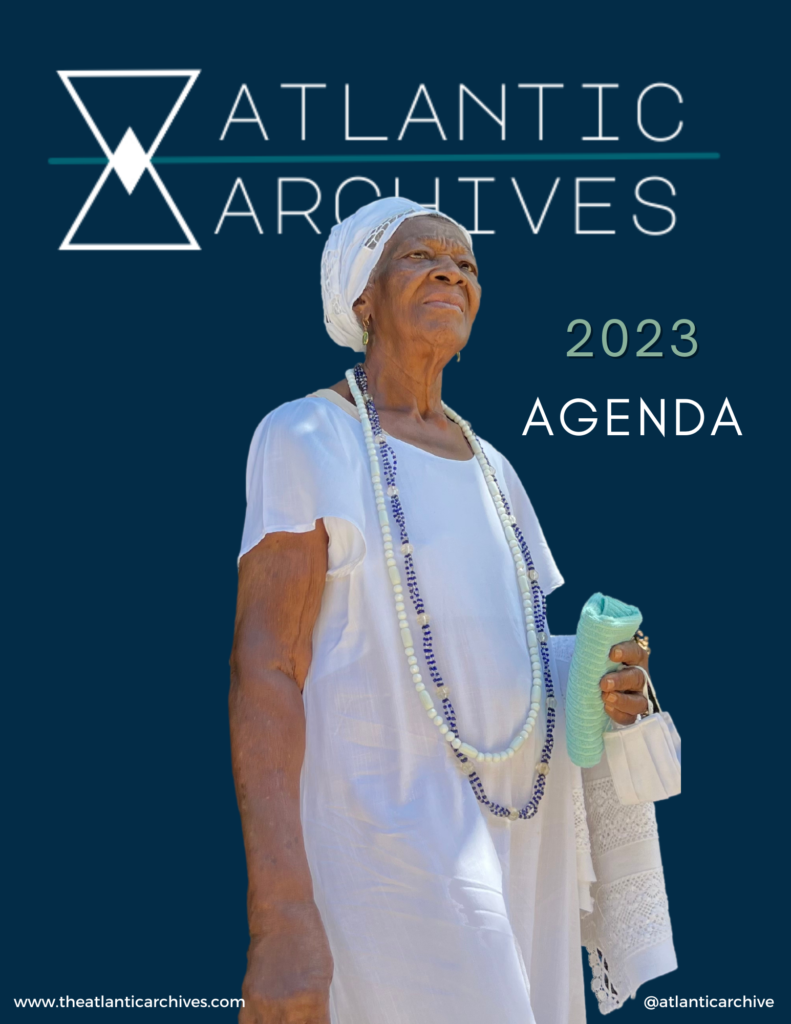
    Click the image to download the 2023 AGENDA

    Atlantic Archives Bahia brazil Karen Hunter Thehub.news
    Sed
    • Website
    • X (Twitter)
    • Instagram

    An expat now living in Northeast Brazil, Sed Miles works hand in hand with working-class, Afro-Brazilian artists, activists and intellectuals fighting against Brazil’s systematic racial and class barriers using a Pan-African, intersectional pedagogy. Each week they will present dispatches from the archives that will bridge communities and be a resource for the future. The mission of the Archives is to help unite the Black diaspora through documenting, preserving, and sharing stories that represent the shared themes and experiences of working class Black people. The series will focus on Brazil and the United States, societies built and held together by generations of Africa’s unshakable children.

    Related Stories

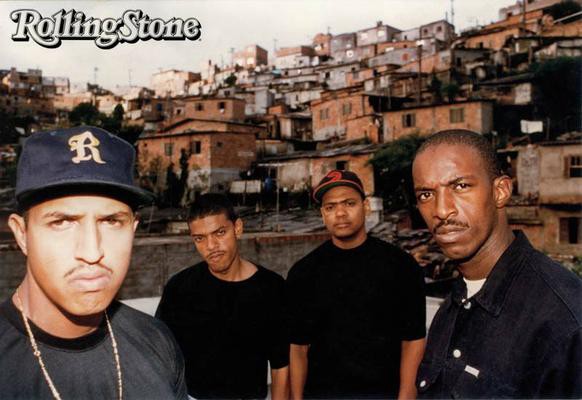
    Atlantic Archives: Brazil’s Most Dangerous Rap Group

    July 13, 2024

    Atlantic Archives: Radio Africa FM Transmitting From Brazil to the Diaspora

    March 29, 2024

    Atlantic Archives: Angela Davis Visits Brazil

    July 19, 2023

    UN Representative Visits Brazil to Investigate Indigenous and Black Genocides

    May 9, 2023

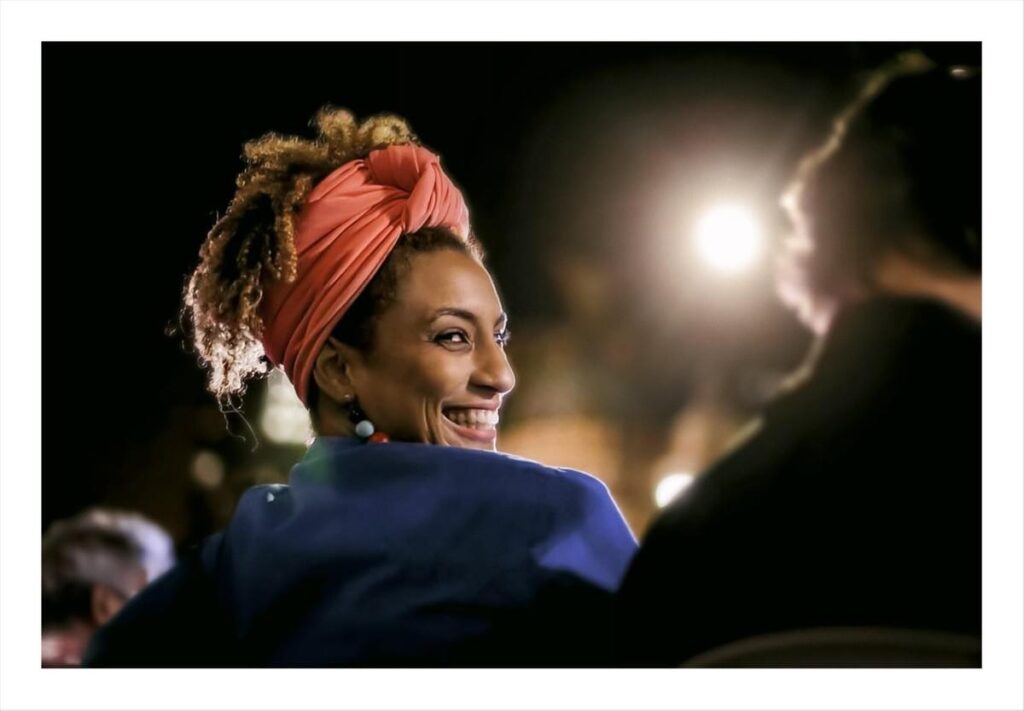
    Afro-Brazilians Remember the Political Assassination of Marielle Franco

    March 15, 2023

    Atlantic Archives Secures Historic Partnership With The Imperative Fund

    August 22, 2022
    Recent Posts
    • In Class with Carr: Black History in Times of Trouble
    • Reconstruction’s Revenge: The Birth of Jim Crow and the Ritual of Lynching
    • Sandra Idehen Named League One Volleyball’s First Commissioner
    • New Lawsuit Claims NYPD Treated Black and Latino Drivers Like Criminals by Default
    • Taytu Betul: Architect of Ethiopian Sovereignty

    Can White People Join the New Black Panther Party?

    By Dr. Stacey Patton

    In Class with Carr: Black History in Times of Trouble

    By TheHub.news Staff

    Reconstruction’s Revenge: The Birth of Jim Crow and the Ritual of Lynching

    By Dr. Stacey Patton

    Sandra Idehen Named League One Volleyball’s First Commissioner

    By FirstandPen

    Subscribe to Updates

    A free newsletter delivering stories that matter straight to your inbox.

    About
    About

    TheHub.news is a storytelling and news platform committed to telling our stories through our lens.With unapologetic facts at the center, we document the lived reality of our experience globally—our progress, our challenges, and our impact—without distortion, dilution, or apology.

    X (Twitter) Instagram YouTube

    In Class with Carr: Black History in Times of Trouble

    By TheHub.news Staff

    Reconstruction’s Revenge: The Birth of Jim Crow and the Ritual of Lynching

    By Dr. Stacey Patton

    Sandra Idehen Named League One Volleyball’s First Commissioner

    By FirstandPen

    New Lawsuit Claims NYPD Treated Black and Latino Drivers Like Criminals by Default

    By Veronika Lleshi

    Subscribe to Updates

    A free newsletter delivering stories that matter straight to your inbox.

    © 2026 TheHub.news A 501(c)(3) tax-exempt organization.

    Type above and press Enter to search. Press Esc to cancel.