



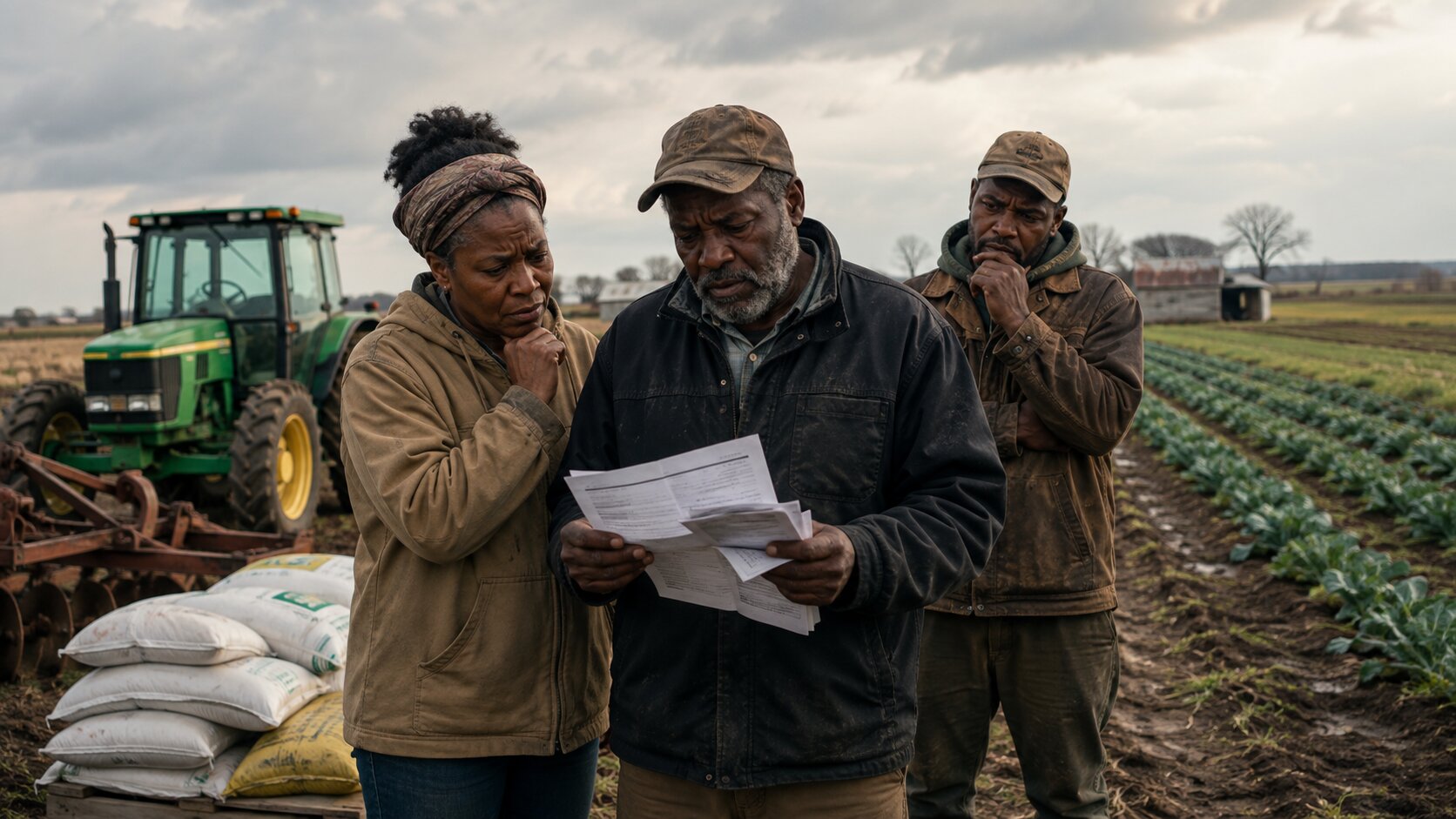
American farm debt is expected to skyrocket this year, reaching its worst level since the 1980s.
Per the U.S. Department of Agriculture, the expected figure is set at nearly $625 billion, accounting for fertilizer, seeds, machinery and real estate. The estimate is approximately 3.2% higher than the one officially recorded last year. Compared to 2019, it is up about 18%.
Although agriculture generates over $1.5 trillion annually on average, farmers’ debt means they are among those hit hardest by recent federal changes. They currently comprise the economic sector most burdened by debt.
All in all, farmers are also expected to lose nearly $31 billion in profit this year, with an additional $32 billion expected in losses by next year.
Among the issues driving debt and profit losses are rising fertilizer prices. The war in Iran has, of course, disrupted oil flow through the Strait, reducing access to ships to transport fertilizer and limiting gas available to produce nitrogen fertilizer.
Approximately 30% of the global nitrogen fertilizer supply has been impacted. Sulfur has also been affected, reducing the ability to produce other types of fertilizer.
As a result, fertilizer costs have increased by about 36%, to $1,123 per ton from $828 per ton last April.
Farmers have also faced trade disputes. U.S. exports fell after tariffs were imposed on countries such as Canada and China, with overall exports down 3%. For instance, soybean farmers were impacted by the trade disputes between the U.S. and China. China, one of the biggest importers of soybeans, turned to Brazil for exports, making it the primary exporter.
It currently supplies Beijing with 65% of its needs.
Canada also removed U.S. alcoholic beverages from its shelves.
The removal of USAID has also directly impacted farmers. Approximately 41% of all the food they sourced for people in need came directly from U.S.-based farmers. On average, nearly $2 billion worth of food was purchased from farmers across the nation. These products included wheat, soybean oil and peanuts. With USAID’s closure, an estimated $450 million in over 500,000 tons of food stocks were affected and left stuck.
Farmers were also simultaneously affected by SNAP cutbacks, particularly smaller farmers and markets. Earlier this year, approximately $187 billion in SNAP cuts were introduced, increasing restriction guidelines for the food program. The cuts reportedly affected food banks, with SNAP beneficiaries turning to nonprofits to cover the loss of benefits. Food bank funding was also impacted, making it harder for them to purchase food to meet demand.
Without funds, farmers cannot plant and raise livestock, affecting food production and prices. Farmers are more directly impacted by cuts to SNAP programs such as “Double Up Food Bucks,” which provides increased funds for SNAP beneficiaries to receive locally grown produce.
The most recent administration move affecting farmers is the temporary lift of tariffs on imports of 300,000 metric tons of beef.
Some farmers allege the lift provides a temporary solution that doesn’t support U.S. farmers becoming primary beef importers and growing U.S. cattle herds to keep up with demand.
With that, some Republican farmers are announcing that they are reevaluating their support for the GOP.
“They’ve supported this war. They voted for this debt,” said Nebraska farmer Scott Thomsen when discussing Nebraska Republicans in Congress. “They’ve voted for this inflation, so I think me and a lot of people are having a hard time voting for anybody who is in office right now and anybody who’s representing us right now.”