


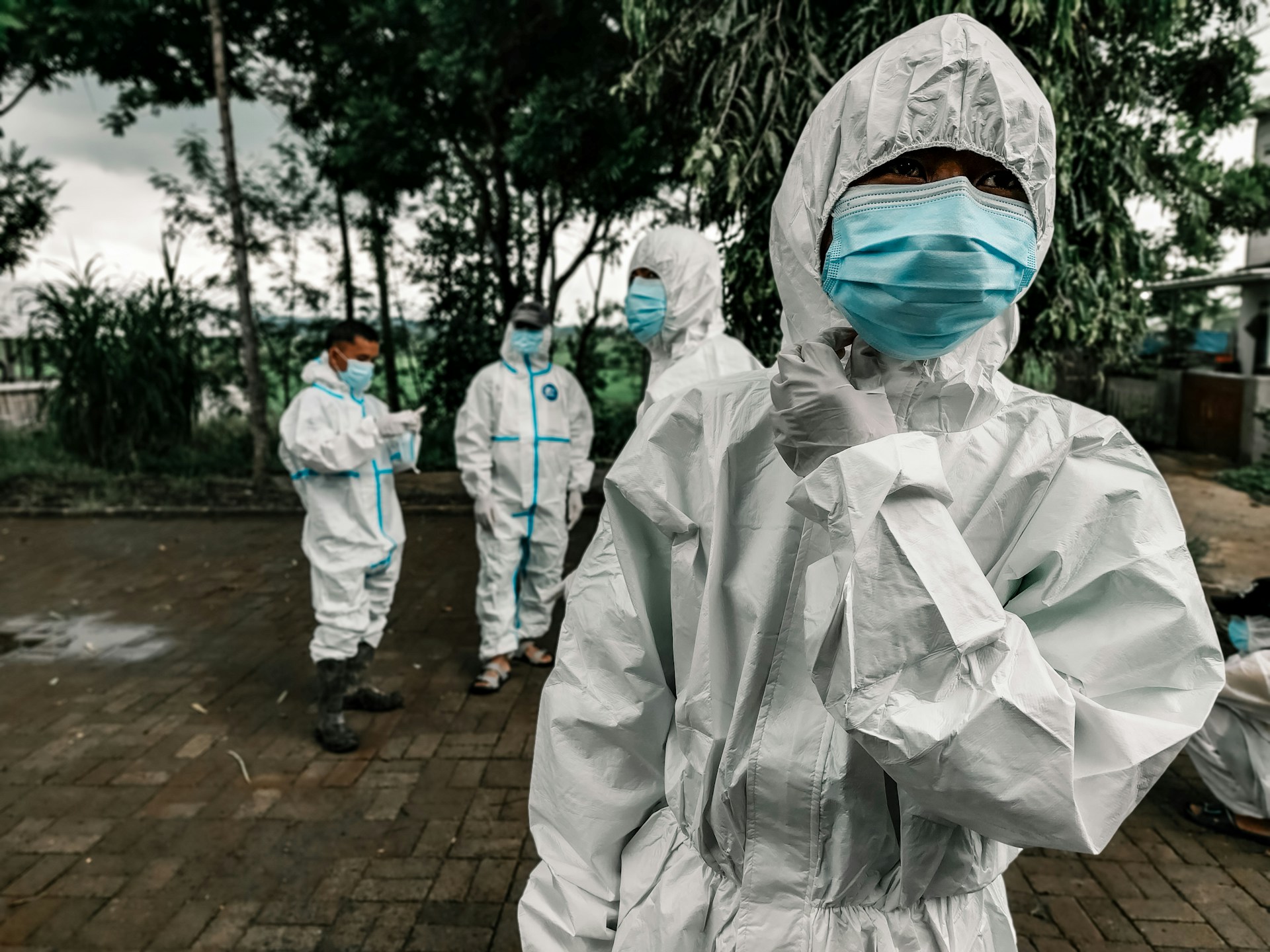
A report from Médecins Sans Frontières alleges that hundreds of millions of dollars devoted to addressing the growing Ebola epidemic are not actively being disbursed.
Released late last week, the medical charity said that there are front-line workers currently dispatched to towns with high rates of Ebola who are still unpaid. They also said funds were not allocated for proper training and that essential supplies are not being provided for treatment. Ambulances are also without fuel for transportation and alleged surveillance teams are nowhere to be seen in towns.
Médecins Sans Frontières is now urging the Congolese government and UN agencies to strengthen their oversight of how the funds are being used, adding that some areas are receiving more attention than others in dire need.
“Despite the vast amounts of money provided for the response, many frontline responders are left trying to contain the outbreak with empty hands and empty pockets,” said Dr Javid Abdelmoneim, MSF International President, in the official report. “Our teams are often left speechless by the dysfunctions they witness in many areas. Six months into the response, this situation is simply unacceptable.”
The report from Médecins Sans Frontières comes a month after the Africa Centers for Disease Control and Prevention raised similar concerns. Top officials and authorities said over $700 million in donor money remains unaccounted for. Although the Africa CDC director general said it is too soon to allege embezzlement, the sum is a significant part of the $962 million international donors have reportedly disbursed.
Congo’s health minister Samuel-Roger Kamba shared similar sentiments online, adding that requirements may be implemented for aid groups to provide details on their funding sources, goals and how they are being implemented. Kaseya said any organization that does not adhere could be barred from working in Congo and potentially blacklisted across the continent.
Six months after it was first declared, the Ebola crisis continues to grow within the Congo as the country continues to struggle with one of the worst strains of the disease. Over 11,000 cases have been recorded. Nearly half of the people who were diagnosed with Ebola have since passed away. The outbreak is on track to be the deadliest outbreak in the country’s history, surpassing the outbreak that took the lives of 11,000 people from 2014 to 2016. Since 1976, there have been 17 outbreaks of the virus in Congo.
Transmission is currently at an all-time high as burials are being conducted without the supervision of healthcare workers. The Africa Centers for Disease Control and Prevention reported that approximately 80% of new cases are being identified outside of infections currently tracked by healthcare officials. Children are among those most affected, as specialized care is not currently available to them.
The strain currently afflicting Congo is the Bundibugyo strain. This specific type of Ebola is associated with infection through close contact with blood, organs and other bodily fluids from infected individuals.
Symptoms include fever, fatigue, muscle pain and headaches, most often delaying initial diagnosis until it progresses to gastrointestinal symptoms, hemorrhages and organ malfunction.
Eight out 26 provinces in the Congo are currently affected by the Ebola outbreak. These provinces include Ituri, Sud-Kivu, Nord-Kivu, Bas-Uele and Nord Ubangi. Of all the provinces, Ituri is the most affected, while Nord-Kivu is the second most affected area.
Currently, there are no vaccines that target the Bundibugyo strain. Health officials have been establishing treatment centers specifically for Ebola and are implementing isolation units to prevent transmission.
Methods on how to reduce transmission through transportation are also being implemented.