




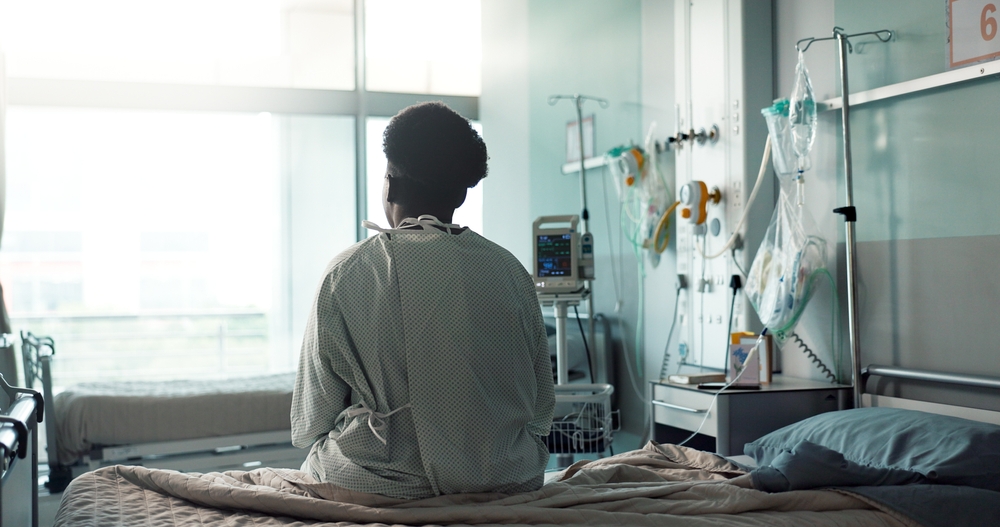
Black Girl Vitamins released a new short film this week, highlighting the health care system’s dismissal of Black women’s concerns.
Unveiled during Black Maternal Mental Health Week, the film, titled “The Visit,” sheds light on the many cases in which Black women’s pain, symptoms and concerns are not taken seriously by health care professionals.
The short video aims to spark dialogue about the medical field’s treatment of Black women, including dismissed symptoms, implicit bias and a lack of care during the early stages of illness.
“The Visit” chronicles the stories of four Black women during different phases of their lives, including motherhood and menopause. The interconnected stories revolve around their experiences with health care, including significant disparities in Black maternity care.
The film is part of a collaboration with Mamatoto Village, a nonprofit organization that advocates for better maternal health care for Black women. As part of the film’s release, Black Girl Vitamins also announced a donation to Dr. Shalon’s Maternal Action Project.
“‘The Visit’ is rooted in Black Girl Vitamins’ purpose to ensure Black women feel seen, heard and supported in their health journeys,” Jennifer Juma, chief strategy officer at Black Girl Vitamins, said, according to Essence. “It extends that mission by sparking an honest, necessary conversation and raising awareness around critical issues like Black maternal health, medical bias, and the importance of truly listening to Black women.”
In the U.S., Black women face disproportionate levels of negative interactions with health care professionals. According to a KFF study, approximately 1 in 5 Black women said they were treated unfairly by a health care professional because of their race. Among Black women who were pregnant or gave birth within the past 10 years, approximately 22% of those surveyed said they were denied pain medication when they requested it.
As a result, approximately 61% of Black women said they felt they needed to prepare themselves for potential insults from health care professionals before attending an appointment. Younger Black women were more likely to report negative experiences with a health care provider. Approximately 23% of Black women ages 18 to 29 and 26% of Black women ages 30 to 49 said they were treated unfairly because of their race.
Black Girl Vitamins has long championed equitable health care for Black women.
Along with its partnership with Double Dutch Club to promote health and empowerment among Black women, the company announced a scholarship that provides monthly funding for two years to Black women studying health care at historically Black colleges and universities.