




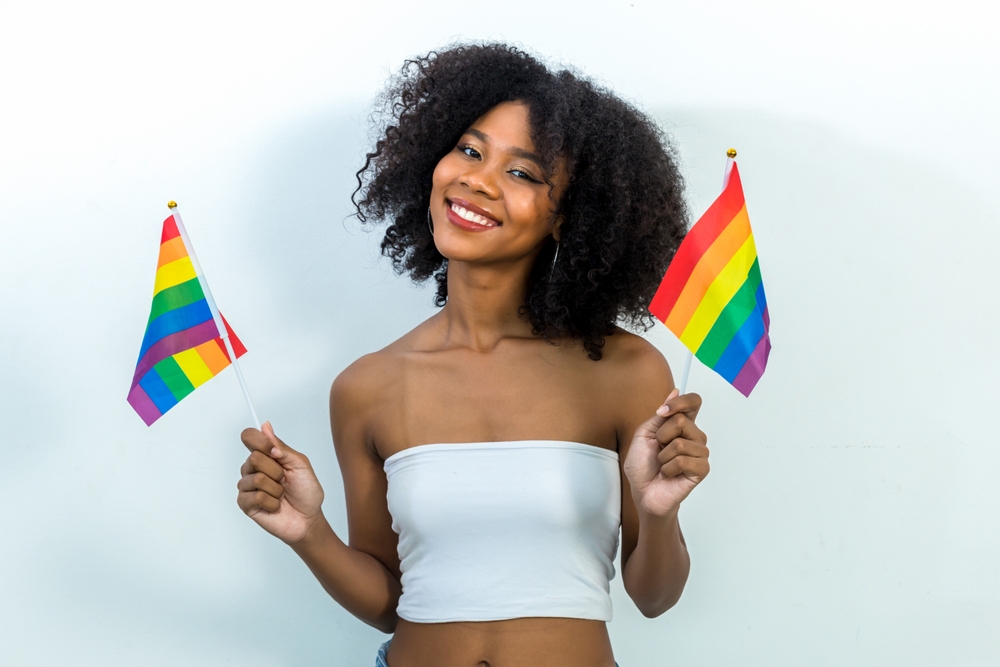
Sure, the parades brought the confetti, but last month’s Pride month was so much more than just a weekend party.
For queer folks, especially during the month of June, stepping into a Pride crowd was a powerful way to take care of themselves. It was a dazzling array of colors, laughter and understanding, where people could be unapologetically themselves without fear of judgment.
Beyond the music, these gatherings were vital lifelines that helped to heal the soul and quiet the anxiety of isolation. And they were places where you can finally drop the heavy armor you wear all year and just breathe.
Still, in a world often filled with stress and uncertainty, these joyous celebrations provided something else: mental well-being.
For younger queer individuals specifically, witnessing queer adults thrive in various aspects of life – be it in their careers, relationships or expressions of love—serves as a vital source of inspiration and validation that they may not encounter in their everyday surroundings. This representation is critical, particularly considering that gay and lesbian youths are four times more likely to attempt suicide than their heterosexual peers, not because of their sexual orientation, but due to the negative reactions and societal stigma they often face.
The impact of these supportive role models and safe spaces can’t be overstated; they help queer youths envision a future where they can truly be themselves and find joy and acceptance. They also give them an unbreakable sense of belonging. Unfortunately, just as many more of the mentors and guides are emerging, systemic obstacles remain, such as the recent cut to federal funding for the 988 Suicide and Crisis Lifeline by the Trump administration. This change means that those seeking LGBTQ-specific support, previously redirected to the Trevor Project, now face a more generalized service that may not fully understand their unique struggles.
Silva Neves, a psychosexual and relationship therapist located in Central London, notes the importance of Pride events in uniting not only the LGBTQ+ community but also their heterosexual and cisgender allies. In a recent piece for Psychology Today, he mentions that witnessing parents at Pride who openly support their gay children can be profoundly healing. This is because many queer individuals experience rejection from their families upon coming out, with some parents even expressing that they would prefer to have a dead child than a gay one. Such experiences can inflict deep emotional wounds at any age, especially for young people, so Pride events are vital in healing these hurt hearts and fostering love.
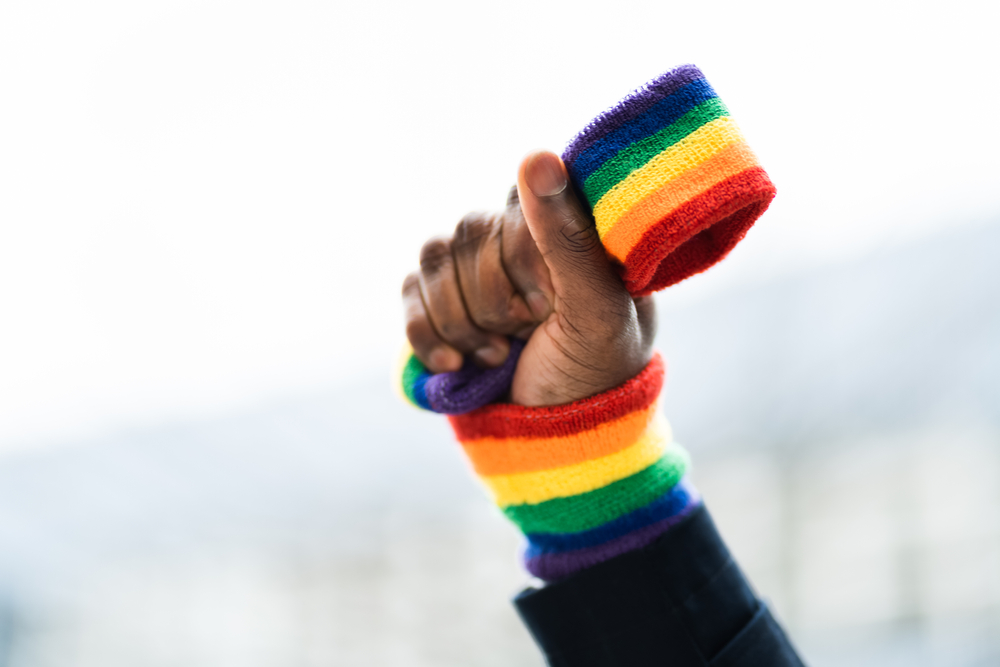
Additionally, Neves highlights that Pride events are not just celebrations; they are also fantastic learning opportunities. Many LGBTQ+ festivals feature a variety of workshops, guest speakers and health resources that cover essential topics like sexual health, mental health and celebrate the deep roots of LGBTQ+ history. They provide a platform for people to engage with current social issues and discover available community services that can be incredibly beneficial. Plus, they create a wonderful space of camaraderie where queer individuals can connect with the diverse cultures and sub-cultures within the community.
Stepping into a Pride event can change the trajectory of an LGBTQ+ youth’s life. It transforms isolation into connection. And it allows young attendees to gather invaluable insights and build supportive, chosen families. This enriching, lifesaving experience proves just how pivotal community visibility really is.
Let’s commit to not only celebrating our LGBTQ+ youngsters in June, but continuing to cultivate safe, affirming spaces for them all year round—because they deserve to thrive exactly as they are.
If you or someone you care about is thinking about suicide, please get help right away. You can call 988 any time of day or night for the 988 Suicide & Crisis Lifeline, or text TALK to 741741 to reach the Crisis Text Line. To find a therapist in your area, check out directories at Therapy for Black Girls, Melanin and Mental Health and Inclusive Therapists.