

I can’t believe I watched this unfold in real time. Thousands of human rights advocates had flights booked to Lusaka. Some were already in the air when, days before the conference was set to open, Zambia’s government canceled the largest summit on human rights in the world: RightsCon. You probably didn’t hear about it. The story was a blip in U.S. news, which is partly why it’s stayed with me. Let’s dive in…

I found out while I was still in Australia at Women Deliver, the largest global feminist convening today. Being in that room with organizers, advocates, and leaders from across the world, building strategy and strengthening solidarity, is exactly where I needed to be in that moment. Learning that a similar gathering of leading human rights activists had been abruptly cancelled hit harder because of it.
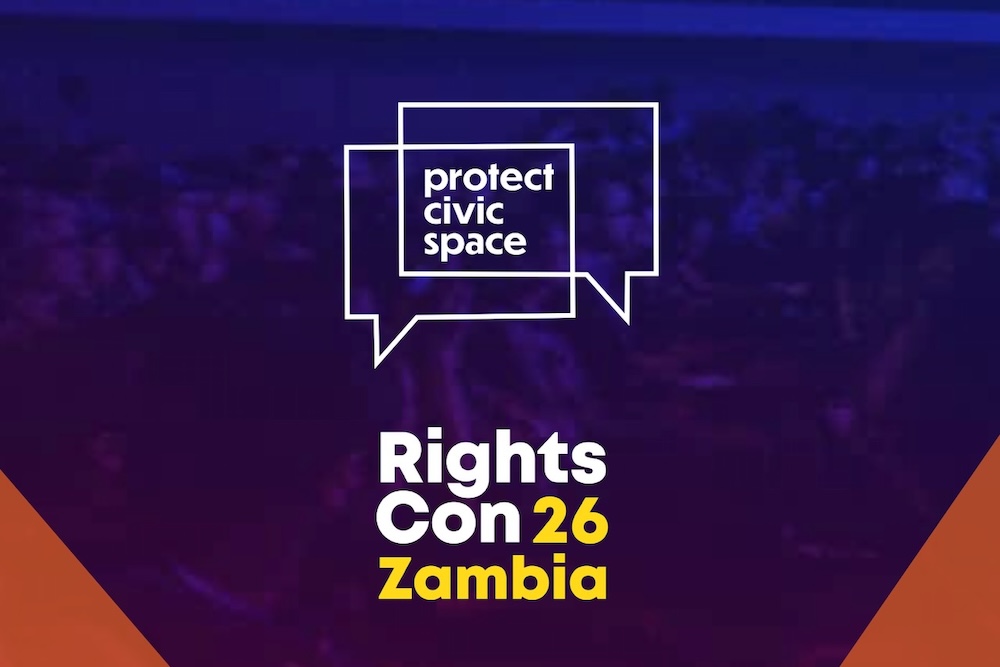
RightsCon 2026 was scheduled for Lusaka, Zambia, from May 5 to 8. It would have been the first time the gathering was hosted in Sub-Saharan Africa. More than 5,000 people from over 150 countries were registered to attend.
It never happened.
On April 29, just before the conference was set to start, Zambia’s government announced it was postponing the event to ensure “full alignment” with the country’s national values, policy priorities, and public interest. Suss. Soon after, conference organizers confirmed RightsCon wouldn’t proceed in Zambia or online at all due to…you are reading this right…foreign interference. We learned that Zambian officials had been pressured by Chinese diplomats to exclude civil society participants coming from Taiwan, and the Zambian government pulled its support completely.
The timing could not have been worse. People had booked flights and secured visas. Some were already on long haul flights headed across the globe. Others were coming straight from Women Deliver in Australia to Zambia. A space built for global human rights organizing was made impossible by geopolitical pressure, and thousands of advocates absorbed the cost.
That is only where the larger story begins.
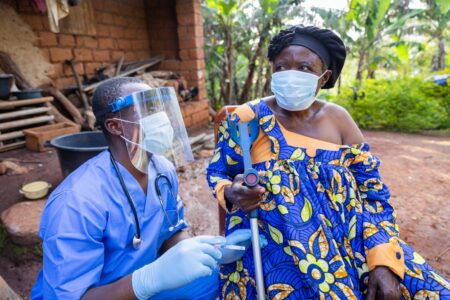
China’s ability to shape the outcome of a human rights conference in another country did not happen in a vacuum. It was made possible by the retreat of U.S. soft power. USAID was among the largest funders of reproductive and maternal health programs in the world, and the regions it served most heavily overlap closely with the countries that send advocates to a convening like RightsCon. USAID supported contraception supply chains, maternal health clinics, and frontline health workers across Sub-Saharan Africa, including Zambia.
Continue reading over at the Women in America Substack.
Become a paid subscriber today. Because reproductive freedom can’t wait, and neither can we.