



Article by media partner Cuisine Noir, the country’s first Black culinary lifestyle outlet since 2009 dedicated to connecting the African diaspora through food, drink and travel.
Here’s the paradox: In a country of plenty like the United States, how is it that so many still go hungry? Today’s economic pressures, such as inflation and cuts to government aid programs like SNAP (Supplemental Nutrition Assistance Program), have contributed to the need for food assistance among seniors, students, veterans and low to middle income families.
France continues to make headlines with its law that prohibits grocery stores from throwing away excess edible food. Instead, they are required to donate it or face a fine. This move is estimated to save over 63,000 tons of food each year, while feeding millions.
But will other countries follow suit?
While a law such as the one passed and implemented in France may be far from reality in the United States, it’s here where food rescue programs come into play and where the culinary industry can play a major role.
Why Food Rescue Programs Are Needed
“About 40% of the food that we have in the United States goes uneaten,” cites Elizabeth Clardy, the volunteer operations coordinator for Second Helpings Atlanta, about the scale of food waste in this country.
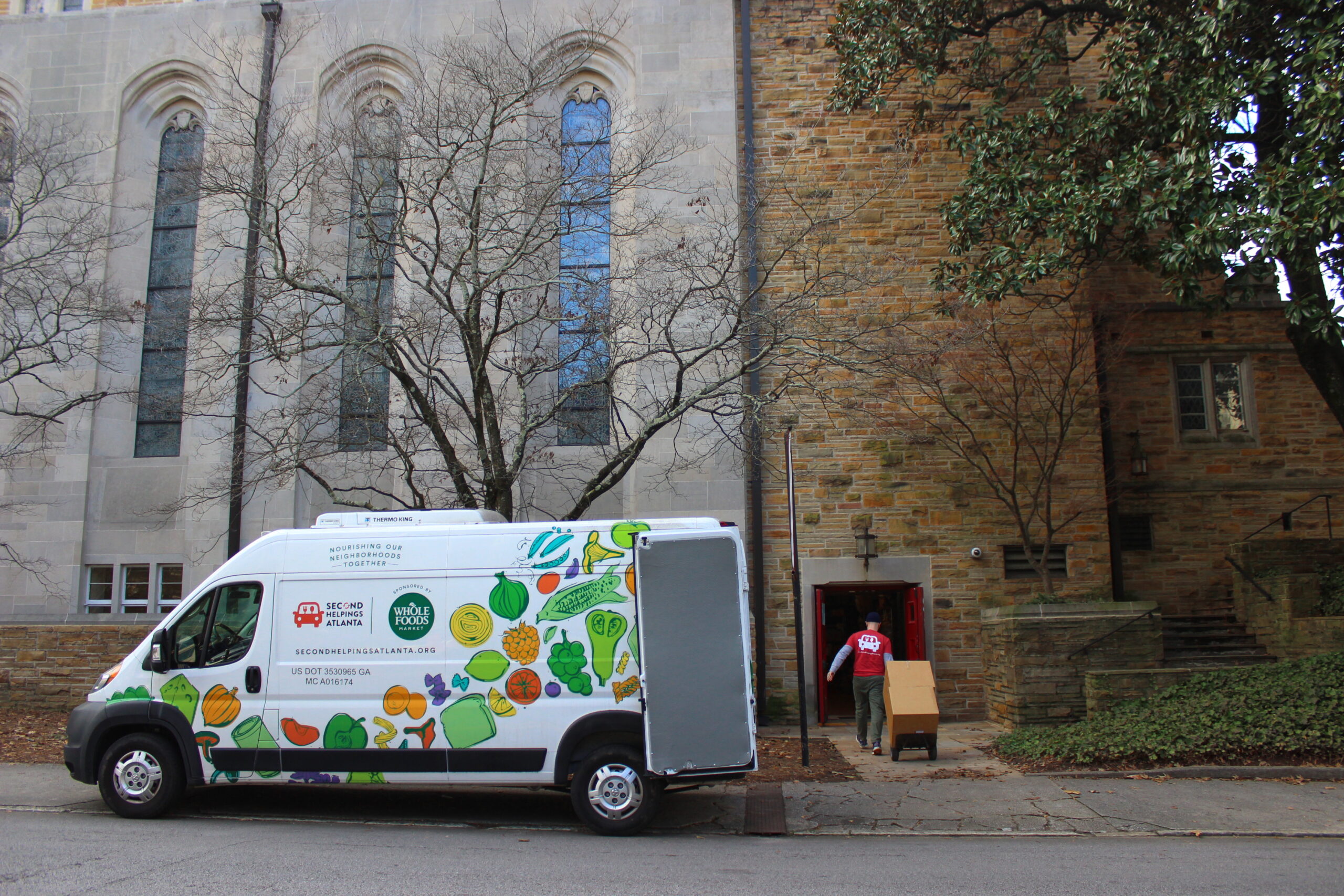
The Atlanta-based food rescue organization is an independent nonprofit that secures food surplus from donors like restaurants, grocery stores and other venues for distribution.
Funded entirely by donors, Second Helpings Atlanta does not accept government subsidies, which allows it to continue and expand its services without interruption during government budget issues.
Not to be confused with food pantries or food banks, organizations like Second Helpings Atlanta act as a logistical link between food surplus and community need. “We are the middleman for sure,” confirms Clardy.
How It Works
Retailers like Whole Foods Market, Trader Joe’s, Sprouts Farmers Market and Costco Wholesale as well as restaurants like Chick-fil-A and Papa Johns Pizza along with Atlanta’s State Farm Arena and Mercedes-Benz Stadium are some of the corporate partners working with Second Helpings Atlanta.
But independent restaurants and bakeries are also part of the food rescue equation and help by donating surplus meals or food. “We don’t take any food that has been served,” clarifies Clardy about their food rescue program protocol. “As long as the food hasn’t been put out and no one has touched it, we are able to take whatever surplus is left over.”
In her position, Clardy manages the daily logistics of their food rescue program coordinating with donors and partner agencies to ensure timely deliveries.
“In our system right now, we have a little bit over 900 volunteers,” she notes about the boots-on-the-ground individuals who carry out the food pickups and drop-offs. “I’m making sure that we’re grabbing whatever donations…and making sure that our volunteers know the process of what they need to do when they are picking up from our food donors and when they are dropping off to our partner agencies.”
Doing Good
Clardy notes Second Helpings Atlanta usually receives perishable foods like fruits, vegetables, cheeses and eggs. “Those are the things that we are getting most of the time from some of our bigger retailers. From our smaller organizations, it usually is prepared food, things that they’ve already had made that we are picking up,” she points out.
Donations are distributed immediately, making their way to partner agencies like Atlanta Mission and My Sister’s House. “We like to say when we’re closed, or some of our partner agencies are closed, people are still hungry. So we operate seven days a week,” says Clardy.
While Second Helpings Atlanta’s concentration is to serve all of the metropolitan counties in Atlanta, there are other organizations nationwide providing similar food rescue programs that help keep food banks and food pantries stocked in their communities.
By Jocelyn Amador