

New York is about to make history with the opening of its first-ever museum dedicated solely to the American civil rights movement.
This is a monumental step for the state, as it recognizes the often-overlooked narratives of racial justice in the North.
Spearheaded by the National Urban Justice League, the new Urban Civil Rights Museum in Harlem aims to shine a spotlight on the intricate stories surrounding civil rights issues like housing discrimination, policing, education and economic exclusion. It also highlights the grassroots organizing that played a pivotal role in shaping modern Black political power – struggles that occurred beyond the well-trodden paths of Southern civil rights movements.
“There’s a lot of focus on the Southern experience – segregation, slavery and overcoming it,” National Urban Justice League CEO and President Marc Morial said in a recent interview. “What’s not widely known is that slavery existed in the North.”
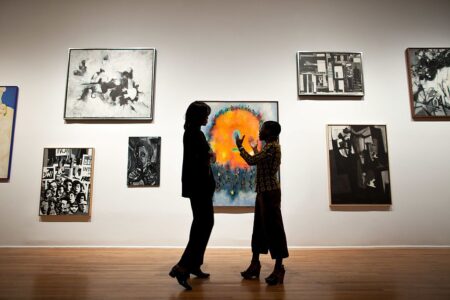
As reported by Gothamist, the new museum will feature a mix of permanent and rotating exhibits that highlight key moments and figures in the movement, bringing to the fore how these events are interwoven with New York City’s identity. With a focus on programming that resonates with contemporary social justice issues, the museum aims to not only educate but also inspire action and dialogue among its visitors. In doing so, it offers a unique opportunity for New Yorkers and visitors alike to engage with an essential chapter of American history that is too often left out of the conversation.
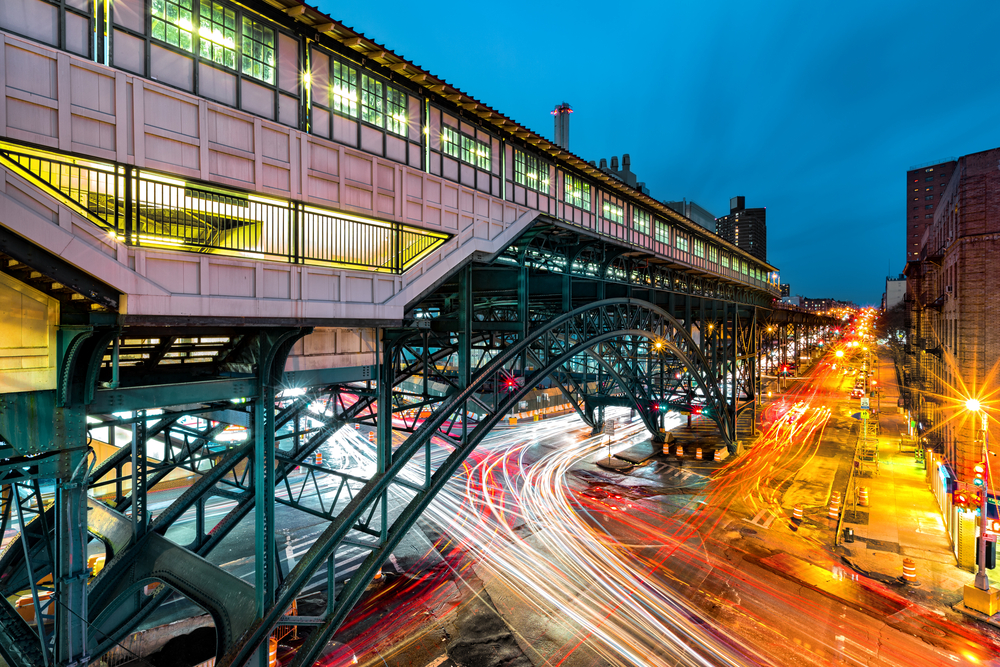
The striking 20,000-square-foot space, positioned within the Urban Justice League’s impressive new headquarters in Manhattan at 117 West 125th St., sits directly across from the much-anticipated Studio Museum, which opened last November; and it promises to be an exciting addition to the neighborhood. The headquarters itself is an
impressive 17-story structure spanning 400,000 square feet – a substantial commitment to the community. With a budget of $242 million, this initiative seeks to transform visitors into what Morial refers to as “agents of change.”
He elaborated on the importance of the museum opening amidst growing attempts to alter or whitewash historical narratives.
“The assault on truth in museums and libraries is absolutely racially motivated,” he told Axios. “It’s erasure – but it won’t work. People are more determined than ever to tell our story.”
Beyond its role as a cultural hub, the headquarters is designed to serve a multifaceted purpose, featuring office and retail spaces dedicated to nonprofits and minority-owned businesses, and even 170 affordable apartments to help address the housing crisis. In addition, the building includes the Whitney M. Young Center for Leadership, a conference center focused on civil engagement, training and growth in the community while preserving Harlem’s cultural and artistic legacy.
Morial’s viewpoint comes at a time when many Americans are worried about the weakness of democracy and the reduction of civil rights. He views the museum not just as a place to store history but as a crucial defense against modern attempts to restrict rights, distort historical truths and dictate who is deemed authentically American.
This perspective resonates deeply in Harlem, a historic epicenter for civil rights activism, where influential organizations like the NAACP, the National Urban League and CORE have shaped the fight for equality. Visionaries such as A. Philip Randolph, Adam Clayton Powell Jr. and Ella Baker turned Harlem into a platform for advocacy, pushing for labor rights, expanding voting access, promoting economic equity and laying the groundwork for community organizing that influenced the Southern civil rights movement. In this vibrant neighborhood, the intertwining of culture and activism not only highlights the importance of preserving historical narratives but also underscores the necessity of continuing the fight for civil liberties in today’s climate, reminding us that the struggle for justice is ongoing and deeply rooted in our collective history.
The museum will be part of a bigger community at the Empowerment Center. This includes partners such as the Studio Museum in Harlem, the United Negro College Fund, Virginia Union University and soon, Jazzmobile and 100 Black Men of New York. The goal is to bring together housing, culture, history and leadership development all in one place.
Morial also describes the new conference center as a facility meant for the next stage of the movement.
“This is where ideas will be born, where movements will be nurtured, and where the future of equity will be shaped,” he said.
The Urban Civil Rights Museum in Harlem is set to open its doors this fall, aligning with the nation’s 250th anniversary.