



Close Menu
TheHub.news

    Nneda Okorafor: From Africanfuturism to Marvel

    By Dr. Rev Otis Moss III

    This Day in History: February 18th

    By Bailey Huebner

    5 Things to Know About Toni Morrison

    By Shayla Farrow

    Subscribe to Updates

    Get the latest creative news from FooBar about art, design and business.

    X (Twitter) Instagram YouTube
    X (Twitter) Instagram YouTube
    TheHub.news
    Support Our Work
    • Home
    • Our Story
      • News & Views
        • Politics
        • Injustice
        • HBCUs
        • Watch
      • Food
        • Cuisine Noir
        • soulPhoodie
      • Passport Heavy
      • Travel
      • Diaspora
      • This Day
      • Entertainment
      • History
      • Art
      • Music
    • Health
    • Money
      1. Copper2Cotton
      2. View All

      How to Fight Inflation and Win

      December 9, 2025

      August 2018 Net Worth Update

      December 9, 2025

      Dividend Update: August 2018

      December 9, 2025
      Passive Income

      Be Passive About Your $

      November 17, 2025

      Economic Empowerment Has Always Been a Part of Black History

      February 12, 2026

      August 2018 Net Worth Update

      December 9, 2025

      More Blacks Needed On Corporate Boards

      December 9, 2025

      How to Fight Inflation and Win

      December 9, 2025
    • Books
    • Business
    • Sports
      1. First and Pen
      2. View All

      Dawn Staley Continues Her Greatness With 500th Win at South Carolina

      February 17, 2026

      Trinidad Chambliss Gets to Play as the NCAA Takes Another “L”

      February 17, 2026

      Bad Bunny Gave Us All a Musical Lesson to Enjoy And Learn From

      February 12, 2026

      Brian Flores Was Right But the Issue Is Not for Black Coaches to Fix

      February 3, 2026

      Dawn Staley Continues Her Greatness With 500th Win at South Carolina

      February 17, 2026

      Trinidad Chambliss Gets to Play as the NCAA Takes Another “L”

      February 17, 2026

      Bad Bunny Gave Us All a Musical Lesson to Enjoy And Learn From

      February 12, 2026

      Brian Flores Was Right But the Issue Is Not for Black Coaches to Fix

      February 3, 2026
    • Tech
    • Podcasts
      1. Karen Hunter is Awesome
      2. Lurie Breaks it Down
      3. Human(ing) Well with Amber Cabral
      4. Financially Speaking
      5. In Class with Carr
      6. View All

      Nneda Okorafor: From Africanfuturism to Marvel

      February 18, 2026

      This Day in History: February 18th

      February 18, 2026

      5 Things to Know About Toni Morrison

      February 18, 2026

      Remembering That Time Rev. Jesse Jackson Smacked Me on My Forehead

      February 17, 2026

      Nneda Okorafor: From Africanfuturism to Marvel

      February 18, 2026

      This Day in History: February 18th

      February 18, 2026

      5 Things to Know About Toni Morrison

      February 18, 2026

      Remembering That Time Rev. Jesse Jackson Smacked Me on My Forehead

      February 17, 2026

      Nneda Okorafor: From Africanfuturism to Marvel

      February 18, 2026

      This Day in History: February 18th

      February 18, 2026

      5 Things to Know About Toni Morrison

      February 18, 2026

      Remembering That Time Rev. Jesse Jackson Smacked Me on My Forehead

      February 17, 2026

      Nneda Okorafor: From Africanfuturism to Marvel

      February 18, 2026

      This Day in History: February 18th

      February 18, 2026

      5 Things to Know About Toni Morrison

      February 18, 2026

      Remembering That Time Rev. Jesse Jackson Smacked Me on My Forehead

      February 17, 2026

      Nneda Okorafor: From Africanfuturism to Marvel

      February 18, 2026

      This Day in History: February 18th

      February 18, 2026

      5 Things to Know About Toni Morrison

      February 18, 2026

      Remembering That Time Rev. Jesse Jackson Smacked Me on My Forehead

      February 17, 2026

      In Class with Carr: Black History in Times of Trouble

      February 2, 2026

      The Rise of the “Righteous Whites” and the Collapse of Plausible Deniability

      January 24, 2026

      How Insurers Use Your ZIP Code and Credit Score Against You

      January 21, 2026

      In Class With Carr: New World Order

      January 19, 2026
    TheHub.news
    Beauty

    The Unsung Stories of African Beauty Rituals

    By Danielle BennettAugust 30, 20237 Mins Read
    Share Email Copy Link
    Image credit: ShutterStock
    Share
    Facebook Twitter LinkedIn Email Copy Link Threads

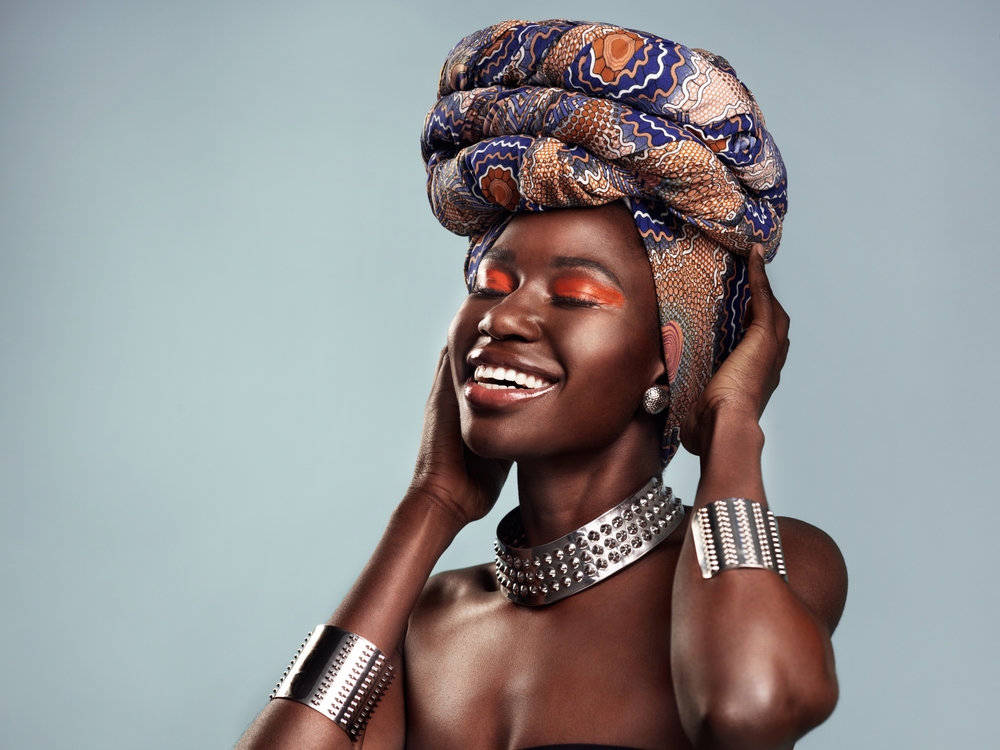
    For centuries, many have seen and enjoyed the infusion of ingredients such as shea, black soap and chébé powder in some of their favorite beauty products. In spite of their success, there has been little recognition of their African origin or cultural traditions. 

    The beauty industry’s flagrant lack of intentionality continues to stifle and erase the continent’s rich stories and the people behind them for far too long, and African founders are no longer twiddling their thumbs for validation from a business that incessantly falls short in respecting their humanity.

    Ahead, are three Black-owned beauty brands and their African creators who are pouring new life into these communities. They aim to preserve and share the remarkable stories behind some of the most magnificent customs and ingredients indigenous to the continent. Not only are they calling attention to how accountable sourcing and rightful credit are pivotal to their growth and prosperity, but doing so also gives consumers the privilege of discovering how Africa’s rich resources and beauty traditions have greatly benefited them all along.

    Hanahana Beauty

    https://www.instagram.com/reel/Cvz-i0vgX4z/?utm_source=ig_web_copy_link&igshid=MzRlODBiNWFlZA==
    https://www.instagram.com/p/CW6EEtUlO6l/?utm_source=ig_web_copy_link&igshid=MzRlODBiNWFlZA==

    For Abena Boamah-Acheampong, founder of Hanahana Beauty, a consciously clean skincare, beauty and wellness brand, her entire line was built on the basis of shining a much-needed light on where shea butter comes from and on who are actually responsible for why it remains highly-favored in cosmetics today. An exceedingly health-giving ingredient, derived from karité trees that grow in the Sahel region extending from West to East Africa, from Guinea and Senegal, and to Uganda and South Sudan—its global market is estimated to hit a value of $5.5 billion per Future Market Insights—shea butter has been a buzzy beauty substance for years. However, despite its somewhat contemporary popularity, this ingenious superfood for hair and skin can be traced back to the Cleopatra and Queen Sheba eras of Africa. 

    For centuries, shea butter has been called “women’s gold,” not only for its impressively golden color (although it can also take on a deep ivory hue, depending on the region) but also for how it fundamentally provides employment and income to millions of women across the continent. Organized by all-female cooperatives, the women utilize traditional methods to harvest the karité fruits, crush their inner nuts to extract the fine butter, bring it to a boil, and clean and package it for sale at local markets or for export.

    Boamah-Acheampong grew up in a Ghanaian household where shea butter was used daily, so as she developed products for her brand launch in 2017, her decision to source it directly from Ghana made perfect sense. However, while doing her research, she uncovered the beauty industry’s horrible lack of sustainability and transparency for the precious resource, including those truly responsible for its acclaim. The female African laborers, the Katariga Women in Tamale, Ghana, in particular, are grossly under-compensated in the production line of shea butter. Hanahana Beauty’s business model is based on the importance of how the ethical sourcing of shea butter from its places of origin supports biodiversity protection and improves the livelihood of the women who produce it.

    In addition to the support of the Katariga women the brand works with, Boamah-Acheampong launched the Hanahana Circle of Care in 2018, a nonprofit dedicated to bringing holistic wellness to women and their children by providing access to healthcare and other sustainable resources.

    Salwa Petersen

    https://www.instagram.com/p/CpiV_cUtGf_/?utm_source=ig_web_copy_link&igshid=MzRlODBiNWFlZA==
    https://www.instagram.com/p/Cs4LwZNvl2y/?utm_source=ig_web_copy_link&igshid=MzRlODBiNWFlZA==

    Harvard graduate and founder of her self-titled haircare brand, created in 2020, Salwa Petersen hails from the Basara tribe of Chad—known for their bountiful, waist-length locs, whose hair care rituals have been passed down for generations—honors her country with exclusive, ethical sourcing of its abundant natural resources, particularly chébé, its star ingredient.  

    A brownish-red-like hued powder composed of a blend of native botanicals such as shébé seeds and samour resin from the croton gratissimus tree, Chébé promotes bountiful perks for the hair, known to reduce breakage, shedding and encourage healthy length retention, especially when mixed with water to create a thick paste, used as a deep treatment. Chadian women follow a series of precise application steps, covering their hair with the rich substance, and do not rinse it out for extended periods of time. Chébé can be traced back more than a thousand years through petroglyphs and rock art paintings found in the sandstone peaks of the Ennedi Plateau in the Sahara. It is an important part of Chadian life, as they consider long, luscious hair a symbol of femininity and vitality, as well as the mark of different rites of passage for girls making the physical transition to womanhood or when they become mothers.

    “When I smell the spicy fragrance of Chébé, I’m immediately transported under a nomad tent, listening to traditional music and the gossip and laughter of the women in my family,” Petersen shares with Vogue. She describes how these traditional joint acts of hair care between family members are treasured, ensuring their centuries-old rituals and recipes are safeguarded and passed on by the descendants of every generation: “Chébé is a great excuse to hang out with our elders, moms, sisters, daughters, aunts, cousins and friends.”

    The brand’s philanthropic footprint and alignment with the right partners is also a critical component of the brand’s identity. They’ve teamed up with African Parks Network, a nonprofit organization in Johannesburg, South Africa, that oversees the long-term conservation, rehabilitation and management of South Africa’s biodiversity, landscapes and heritage through a system of national parks. When a Salwa Petersen product is purchased, a donation is made to African Parks in order to preserve projects in Chad.

    54 Thrones

    https://www.instagram.com/p/CYZw1bJp6_4/?utm_source=ig_web_copy_link&igshid=MzRlODBiNWFlZA==
    https://www.instagram.com/reel/CoOBVh0D-rk/?utm_source=ig_web_copy_link&igshid=MzRlODBiNWFlZA==

    After her appearance on Shark Tank in 2021, 54 Thrones founder Christina Funke Tegbe’s air-tight pitch worked extremely well in her favor, but Tegbe, a Houston, Texas native with strong Nigerian roots, had a primary goal in mind when building her brand long before persuading two of the five “Sharks” to invest in her business: laying a foundation of accessibility in order to spread the word of the African version of clean beauty.

    One browse through 54 Thrones social media and you’ll discover a wonderful system of posts, emphasizing their remarkable line of locally-made beauty products by African artisans, all ethically sourced and curated to meet the unique needs of its customers. The centuries-old beauty rituals and ingredients from various African countries such as Guinea-Bissau, Rwanda, Nigeria and Eritrea are those which many cosmetics companies “borrow” when conceptualizing and implementing ideas for their own products. The brand relays these beautiful nuances through its Instagram feed, granting its users a deep dive into each country’s history, culture and beauty, from the significance of cleansing with incense in East Africa to the black soap and shea butter-filled skin care routines in West Africa.

    “I wanted to approach beauty differently, with a strong focus on ingredients, storytelling, and attribution. The way that I could fully express that was going to the source, [which would also] take care of ingredients and transparency,” Tegbe explains in an interview with Beauty Matter. “When you have ingredients that come from a group of people, especially disenfranchised groups who aren’t usually represented, including that in part of your clean-beauty storytelling is incredibly important.”

    With its flourishing partnership with Sephora, 54 Thrones continues to expand African beauty’s vastly diverse untold story to unexpected customer bases. “We’ve acquired a new customer that we didn’t even know was interested in African beauty rituals, so that’s been particularly exciting.”

    54 Thrones Black Soap chébé powder Hanahana Beauty Johannesburg Salwa Petersen Thehub.news Wellness
    Danielle Bennett

    Danielle Bennett, a hairstylist of 20 years, is the owner of The Executive Lounge, a hair salon that caters to businesswomen, located in the Chelsea neighborhood of New York City. She specializes in natural hair care, haircuts, color, hair weaving and is certified in non-surgical hair replacement. Danielle partners with her clients to provide customized services, while she pampers them with luxury products and professional, private accommodations. “The Executive Lounge is your home away from home; it is a tranquil, modern sanctuary where you matter. Your time is valued and your opinion counts. Why? Because you deserve it.” - Danielle Bennett

    Related Stories

    Brownkind Founders Dr. Abhijit Desai, Dr. Gauri Desai Launch Beauty Brand for Melanin-rich Skin

    August 7, 2024

    What Are Microplastics and Why Are They a Health Concern?

    July 24, 2024

    7 Under-the-Radar Black-Owned Brands Crushing the Beauty Space 

    June 13, 2024

    Are Black Women Tired of Instagram Hairstylists?

    May 23, 2024

    Black-owned Clean Beauty Brands: Join the Green Glamour Revolution

    April 10, 2024

    Are Naturalistas Using Botox to Keep Their Edges Laid?

    January 24, 2024
    Recent Posts
    • Nneda Okorafor: From Africanfuturism to Marvel
    • This Day in History: February 18th
    • 5 Things to Know About Toni Morrison
    • Remembering That Time Rev. Jesse Jackson Smacked Me on My Forehead
    • Dawn Staley Continues Her Greatness With 500th Win at South Carolina

    Nneda Okorafor: From Africanfuturism to Marvel

    By Dr. Rev Otis Moss III

    This Day in History: February 18th

    By Bailey Huebner

    5 Things to Know About Toni Morrison

    By Shayla Farrow

    Remembering That Time Rev. Jesse Jackson Smacked Me on My Forehead

    By Dr. Stacey Patton

    Subscribe to Updates

    A free newsletter delivering stories that matter straight to your inbox.

    About
    About

    TheHub.news is a storytelling and news platform committed to telling our stories through our lens.With unapologetic facts at the center, we document the lived reality of our experience globally—our progress, our challenges, and our impact—without distortion, dilution, or apology.

    X (Twitter) Instagram YouTube

    Nneda Okorafor: From Africanfuturism to Marvel

    By Dr. Rev Otis Moss III

    This Day in History: February 18th

    By Bailey Huebner

    5 Things to Know About Toni Morrison

    By Shayla Farrow

    Remembering That Time Rev. Jesse Jackson Smacked Me on My Forehead

    By Dr. Stacey Patton

    Subscribe to Updates

    A free newsletter delivering stories that matter straight to your inbox.

    © 2026 TheHub.news A 501(c)(3) tax-exempt organization.

    Type above and press Enter to search. Press Esc to cancel.