Close Menu
TheHub.news

    Here’s How Texas’s Medical Community Is Finally Clapping Back to the Anti-Choice Movement

    By Pari Eve

    Nneda Okorafor: From Africanfuturism to Marvel

    By Dr. Rev Otis Moss III

    This Day in History: February 18th

    By Bailey Huebner

    Subscribe to Updates

    Get the latest creative news from FooBar about art, design and business.

    X (Twitter) Instagram YouTube
    X (Twitter) Instagram YouTube
    TheHub.news
    Support Our Work
    • Home
    • Our Story
      • News & Views
        • Politics
        • Injustice
        • HBCUs
        • Watch
      • Food
        • Cuisine Noir
        • soulPhoodie
      • Passport Heavy
      • Travel
      • Diaspora
      • This Day
      • Entertainment
      • History
      • Art
      • Music
    • Health
    • Money
      1. Copper2Cotton
      2. View All

      How to Fight Inflation and Win

      December 9, 2025

      August 2018 Net Worth Update

      December 9, 2025

      Dividend Update: August 2018

      December 9, 2025
      Passive Income

      Be Passive About Your $

      November 17, 2025

      Economic Empowerment Has Always Been a Part of Black History

      February 12, 2026

      How to Fight Inflation and Win

      December 9, 2025

      August 2018 Net Worth Update

      December 9, 2025

      More Blacks Needed On Corporate Boards

      December 9, 2025
    • Books
    • Business
    • Sports
      1. First and Pen
      2. View All

      Dawn Staley Continues Her Greatness With 500th Win at South Carolina

      February 17, 2026

      Trinidad Chambliss Gets to Play as the NCAA Takes Another “L”

      February 17, 2026

      Bad Bunny Gave Us All a Musical Lesson to Enjoy And Learn From

      February 12, 2026

      Brian Flores Was Right But the Issue Is Not for Black Coaches to Fix

      February 3, 2026

      Dawn Staley Continues Her Greatness With 500th Win at South Carolina

      February 17, 2026

      Trinidad Chambliss Gets to Play as the NCAA Takes Another “L”

      February 17, 2026

      Bad Bunny Gave Us All a Musical Lesson to Enjoy And Learn From

      February 12, 2026

      Brian Flores Was Right But the Issue Is Not for Black Coaches to Fix

      February 3, 2026
    • Tech
    • Podcasts
      1. Karen Hunter is Awesome
      2. Lurie Breaks it Down
      3. Human(ing) Well with Amber Cabral
      4. Financially Speaking
      5. In Class with Carr
      6. View All

      Here’s How Texas’s Medical Community Is Finally Clapping Back to the Anti-Choice Movement

      February 18, 2026

      Nneda Okorafor: From Africanfuturism to Marvel

      February 18, 2026

      This Day in History: February 18th

      February 18, 2026

      5 Things to Know About Toni Morrison

      February 18, 2026

      Here’s How Texas’s Medical Community Is Finally Clapping Back to the Anti-Choice Movement

      February 18, 2026

      Nneda Okorafor: From Africanfuturism to Marvel

      February 18, 2026

      This Day in History: February 18th

      February 18, 2026

      5 Things to Know About Toni Morrison

      February 18, 2026

      Here’s How Texas’s Medical Community Is Finally Clapping Back to the Anti-Choice Movement

      February 18, 2026

      Nneda Okorafor: From Africanfuturism to Marvel

      February 18, 2026

      This Day in History: February 18th

      February 18, 2026

      5 Things to Know About Toni Morrison

      February 18, 2026

      Here’s How Texas’s Medical Community Is Finally Clapping Back to the Anti-Choice Movement

      February 18, 2026

      Nneda Okorafor: From Africanfuturism to Marvel

      February 18, 2026

      This Day in History: February 18th

      February 18, 2026

      5 Things to Know About Toni Morrison

      February 18, 2026

      Here’s How Texas’s Medical Community Is Finally Clapping Back to the Anti-Choice Movement

      February 18, 2026

      Nneda Okorafor: From Africanfuturism to Marvel

      February 18, 2026

      This Day in History: February 18th

      February 18, 2026

      5 Things to Know About Toni Morrison

      February 18, 2026

      In Class with Carr: Black History in Times of Trouble

      February 2, 2026

      The Rise of the “Righteous Whites” and the Collapse of Plausible Deniability

      January 24, 2026

      How Insurers Use Your ZIP Code and Credit Score Against You

      January 21, 2026

      In Class With Carr: New World Order

      January 19, 2026
    TheHub.news
    Beauty

    Beauty Is Never Skin Deep: Why Texturism Continues to Assign Privilege

    By Danielle BennettNovember 17, 20225 Mins Read
    Share Email Copy Link
    Image Credit: ShutterStock
    Share
    Facebook Twitter LinkedIn Email Copy Link Threads

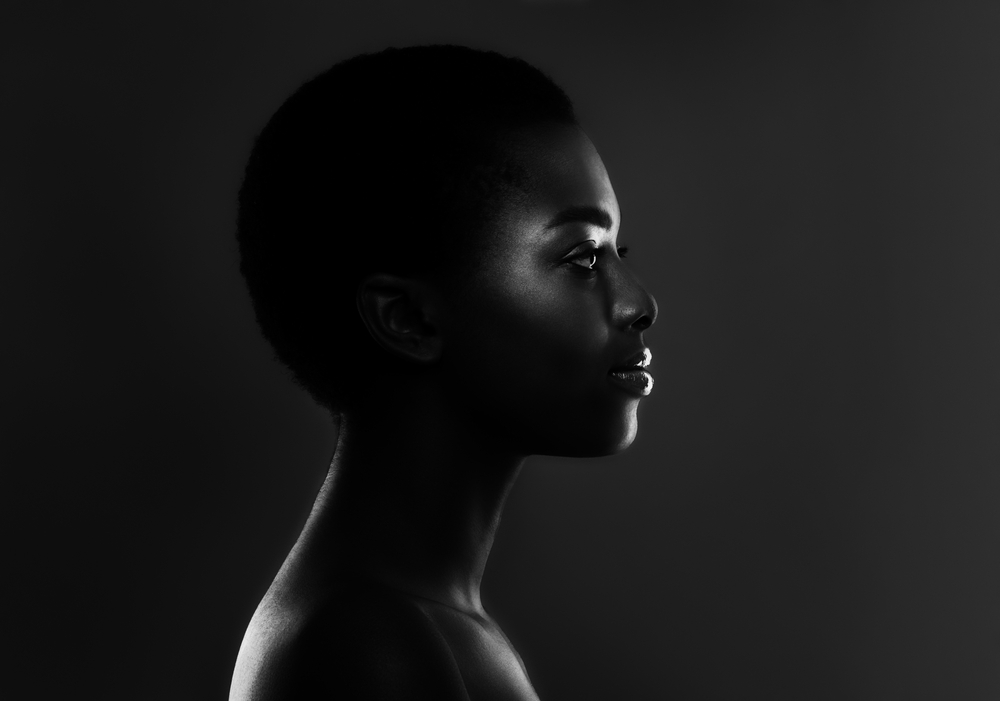
    “By the time a Black girl is six [years old], she knows the value of having the ‘right’ hair texture and skin tone. That means she is also aware of her value relative to others, how they receive her, and is able to feel the harm…even if she doesn’t have the vocabulary to describe it.” – Dr. Donna Oriowo, LICSW, M.Ed.    

    Image Credit: ShutterStock

    Although chilling and heartrending, I believe Dr. Oriowo’s analysis is one we all can identify with. 

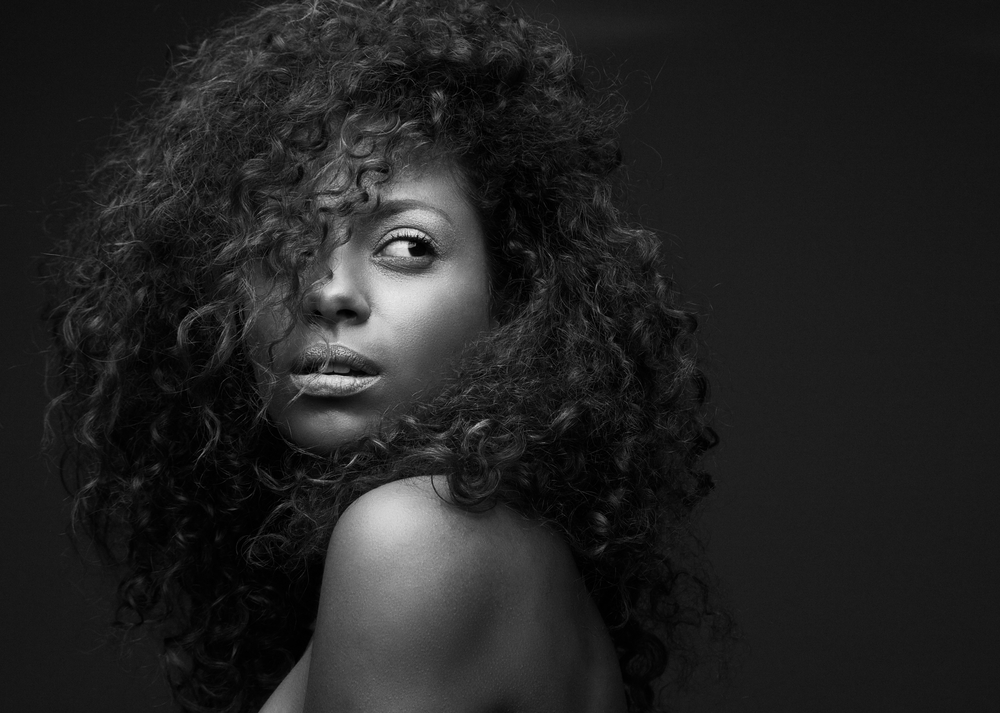
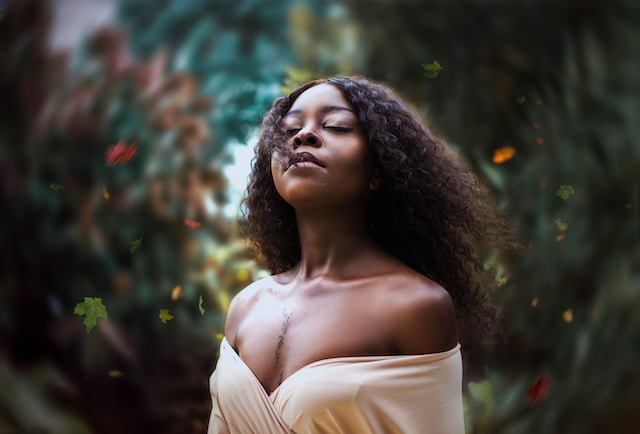
    Hair remains a critical topic in our community. And while a great deal of research about colorism and its impact in the African diaspora is well documented, not nearly enough data reveals the effects and emotional response of society’s teaching children of color (specifically Black girls) that their hair is inferior.

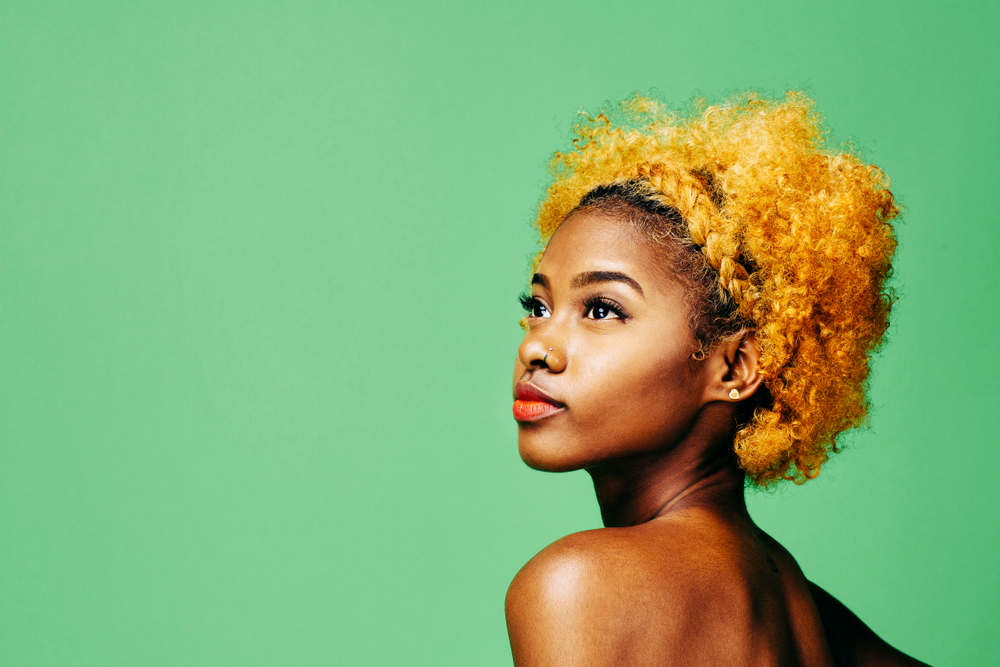
    Today’s Black children have access to literary, artistic and commercial imagery which honors their natural features, but these are contemporary developments. Even now, young Black girls sense how certain hair types and styles can have controlled meanings for social status and ease because society’s influence on the “best” kinds of hair continues to shape how they encounter the world. 

    According to a 2022 study conducted by the Arizona State University Department of Psychology (one of only a few studies that examine hair satisfaction in young Black girls, funded by the Dove Self Esteem Project), unwanted touching and texture-typing is only the tip of the iceberg of prevalent, negative experiences many Black girls face about their hair. 

    The study included 105 girls, ages 10-15 years old, all of whom identify as Black or African American; and highlights how the trauma starts early on in their “safe spaces”. Despite young Black girls’ exposure to a variety of hairstyles within their families, schools and circles of friends, they are socialized to differentiate hair through Eurocentric portrayals of beauty. Any hair texture resembling it (or in close proximity) is viewed as better. When asked to define “good” hair, responses such as “long”, “wavy”, “flowy”, “soft” and ”straight” were common.  “Bad” hair was classified as “nappy”, “short” and “hard to comb through” and many recounted horrific incidents of bullying about their hair, starting as early as preschool and kindergarten. 

    Unpacking the Iterations of Texturism

    When asked to know the source of their criteria, the children cited various fashion models and celebrities of color, most of them wearing straight or wavy-textured hair. But, these findings illustrate how Black girls have inherited the ongoing, painful history that Black society has about its hair, stemming from deep-rooted, white racist ideologies.  

    Eugen Fischer’s hair color gauge of the early 1900s is a prime example of how hair typing and racism go hand in hand. Designed by the Nazi German scientist and overzealous eugenist (Fischer), it was a box containing a selection of 30 different synthetic hair color types, used to assess the whiteness level of mixed-race people in Namibia, by prioritizing the hue and texture of their hair. This and other utensils would later contribute to one of the first mass genocides carried out by German military forces, killing approximately 80,000 indigenous Namibian people because “scientifically”, their hair (and other physical features) were not “good enough”.  

    Image Credit: ShutterStock

    Throughout American history, other cases in point include the desperate attempts to stretch out naturally tight curls and coils, as a means of adaptation and survival during slavery. Blacks utilized several techniques such as applying heavy wheel axle grease, sewing thread and butter knives to straighten their hair. 

    And during the Great Migration, when some six million Black people moved from the American South to Northern, Midwestern and Western states, many straightened their hair as a symbol of success for escaping dangerous rural situations and ensuring upward mobility.

    In the decades that followed the Black power movement in the 1960s and 1970s, when many members wore natural hairstyles as a mark of Black solidarity and pushback against mainstream Eurocentric hair standards, Black women were regularly penalized for wearing them in the workplace. Afros and braids styles were looked upon as “too radical”  and the pressure to conform was enforced.

    Fast forward to the natural hair movement of our current era where great progress is made about the education, ratification and inclusion of natural hair, but the majority of the conversations and advice surrounding tighter coiled hair types maintain undertones of challenge and struggle. Negative reactions to hair “shrinkage”, followed up with instruction on how to “fix it” (in order to achieve “more attractive”, longer lengths) are everywhere; and further emphasizes how these hair types are still ranked lower than looser curl types. 

    Our Children Deserve Better

    The tremendous work from Dr. Oriowo and the Arizona State University study is proof that a complete understanding of the discrimination and microaggressions Black kids experience about their hair is critical. And while the perception and negative narratives of Black hair did not begin in the present day, its remnants of the mistreatment of Blacks from slavery continue to guide children’s perspectives and have an enormous effect on their self-image.

    As a community, we must continue our commitment to helping our little ones grow without damaging intergenerational prejudices. It’s difficult work, but it is necessary.

    beauty politics Black beauty Black Hair Texturism Thehub.news
    Danielle Bennett

    Danielle Bennett, a hairstylist of 20 years, is the owner of The Executive Lounge, a hair salon that caters to businesswomen, located in the Chelsea neighborhood of New York City. She specializes in natural hair care, haircuts, color, hair weaving and is certified in non-surgical hair replacement. Danielle partners with her clients to provide customized services, while she pampers them with luxury products and professional, private accommodations. “The Executive Lounge is your home away from home; it is a tranquil, modern sanctuary where you matter. Your time is valued and your opinion counts. Why? Because you deserve it.” - Danielle Bennett


    Related Stories

    Are Naturalistas Using Botox to Keep Their Edges Laid?

    January 24, 2024

    How ADHD Can Make Natural Hair Care Difficult for Black Women

    July 27, 2023

    These 10 Black Nail Artists Deserve Their Flowers Now and Always

    July 20, 2023

    How ‘The Beauty Genie’ Is Turning Black Hair Deserts Into Sanctuaries of Accessibility

    May 11, 2023

    How Much Freedom Should Black Kids Have Over Their Natural Hair Journey? A Lot

    January 27, 2023

    A Black Woman’s Relationship With Wigs Might Be More Than You Think

    December 15, 2022
    Recent Posts
    • Here’s How Texas’s Medical Community Is Finally Clapping Back to the Anti-Choice Movement
    • Nneda Okorafor: From Africanfuturism to Marvel
    • This Day in History: February 18th
    • 5 Things to Know About Toni Morrison
    • Remembering That Time Rev. Jesse Jackson Smacked Me on My Forehead

    Here’s How Texas’s Medical Community Is Finally Clapping Back to the Anti-Choice Movement

    By Pari Eve

    Nneda Okorafor: From Africanfuturism to Marvel

    By Dr. Rev Otis Moss III

    This Day in History: February 18th

    By Bailey Huebner

    5 Things to Know About Toni Morrison

    By Shayla Farrow

    Subscribe to Updates

    A free newsletter delivering stories that matter straight to your inbox.

    About
    About

    TheHub.news is a storytelling and news platform committed to telling our stories through our lens.With unapologetic facts at the center, we document the lived reality of our experience globally—our progress, our challenges, and our impact—without distortion, dilution, or apology.

    X (Twitter) Instagram YouTube

    Here’s How Texas’s Medical Community Is Finally Clapping Back to the Anti-Choice Movement

    By Pari Eve

    Nneda Okorafor: From Africanfuturism to Marvel

    By Dr. Rev Otis Moss III

    This Day in History: February 18th

    By Bailey Huebner

    5 Things to Know About Toni Morrison

    By Shayla Farrow

    Subscribe to Updates

    A free newsletter delivering stories that matter straight to your inbox.

    © 2026 TheHub.news A 501(c)(3) tax-exempt organization.

    Type above and press Enter to search. Press Esc to cancel.