

Close Menu
TheHub.news

    Lessons From Prison on Media Consolidation and Censorship

    By Jeremy Busby

    “The Pivot” Moving to Netflix Shows ESPN Isn’t the Required Home It Once Was

    By FirstandPen

    ‘Eyes on Cuba’: A Conversation About Humanitarian Conditions Facing Cuba in the Midst of Crippling US Blockade

    By Insight News

    Subscribe to Updates

    Get the latest creative news from FooBar about art, design and business.

    X (Twitter) Instagram YouTube
    X (Twitter) Instagram YouTube
    TheHub.news
    Support Our Work
    • Home
    • Our Story
      • News & Views
        • Politics
        • Injustice
        • HBCUs
        • Watch
      • Food
        • Cuisine Noir
        • soulPhoodie
      • Passport Heavy
      • Travel
      • Diaspora
      • This Day
      • Entertainment
      • History
      • Art
      • Music
    • Health
    • Money

      Cashflow Coach: I Planted a Money Tree!

      August 4, 2026

      Breaking Down the 2 Different Types of Income

      July 7, 2026

      Black Americans Are Already Living Through a Recession

      July 6, 2026

      You Must Be an Owner to Win 

      June 23, 2026

      Economic Empowerment Has Always Been a Part of Black History

      February 12, 2026
    • Books
    • Business
    • Sports
      1. First and Pen
      2. View All

      “The Pivot” Moving to Netflix Shows ESPN Isn’t the Required Home It Once Was

      September 4, 2026

      Racist Who Harassed LA Sparks’ Dearica Hamby Fired by Employer

      September 3, 2026

      Stephen A. Smith Running to Fox News Exposed Bigger Issue of Black Media Disrespect

      August 24, 2026

      ESPN’s Black Talent Purge Sends Alarming Message to the Black Sports Community

      August 18, 2026

      “The Pivot” Moving to Netflix Shows ESPN Isn’t the Required Home It Once Was

      September 4, 2026

      Racist Who Harassed LA Sparks’ Dearica Hamby Fired by Employer

      September 3, 2026

      Stephen A. Smith Running to Fox News Exposed Bigger Issue of Black Media Disrespect

      August 24, 2026
      Wilt Chamberlain Portrait.

      This Day in History: The Legacy of Basketball Superstar, Wilt Chamberlain

      August 21, 2026
    • Tech
    • Podcasts
      1. Karen Hunter is Awesome
      2. Lurie Breaks it Down
      3. Human(ing) Well with Amber Cabral
      4. Financially Speaking
      5. In Class with Carr
      6. View All

      Lessons From Prison on Media Consolidation and Censorship

      September 4, 2026

      “The Pivot” Moving to Netflix Shows ESPN Isn’t the Required Home It Once Was

      September 4, 2026

      ‘Eyes on Cuba’: A Conversation About Humanitarian Conditions Facing Cuba in the Midst of Crippling US Blockade

      September 4, 2026

      This Day in History: September 4th

      September 4, 2026

      Lessons From Prison on Media Consolidation and Censorship

      September 4, 2026

      “The Pivot” Moving to Netflix Shows ESPN Isn’t the Required Home It Once Was

      September 4, 2026

      ‘Eyes on Cuba’: A Conversation About Humanitarian Conditions Facing Cuba in the Midst of Crippling US Blockade

      September 4, 2026

      This Day in History: September 4th

      September 4, 2026

      Lessons From Prison on Media Consolidation and Censorship

      September 4, 2026

      “The Pivot” Moving to Netflix Shows ESPN Isn’t the Required Home It Once Was

      September 4, 2026

      ‘Eyes on Cuba’: A Conversation About Humanitarian Conditions Facing Cuba in the Midst of Crippling US Blockade

      September 4, 2026

      This Day in History: September 4th

      September 4, 2026

      Lessons From Prison on Media Consolidation and Censorship

      September 4, 2026

      “The Pivot” Moving to Netflix Shows ESPN Isn’t the Required Home It Once Was

      September 4, 2026

      ‘Eyes on Cuba’: A Conversation About Humanitarian Conditions Facing Cuba in the Midst of Crippling US Blockade

      September 4, 2026

      This Day in History: September 4th

      September 4, 2026

      Lessons From Prison on Media Consolidation and Censorship

      September 4, 2026

      “The Pivot” Moving to Netflix Shows ESPN Isn’t the Required Home It Once Was

      September 4, 2026

      ‘Eyes on Cuba’: A Conversation About Humanitarian Conditions Facing Cuba in the Midst of Crippling US Blockade

      September 4, 2026

      This Day in History: September 4th

      September 4, 2026

      In Class with Carr: King Me: Africana Governance and Purpose in a Changing World

      August 31, 2026

      In Class with Carr: Beginning Black August

      August 3, 2026

      In Class with Carr: “Rock the Vote!”

      July 21, 2026

      In Class with Carr: “Odds and Ends”

      July 13, 2026
    TheHub.news
    Beauty

    A Black Woman’s Relationship With Wigs Might Be More Than You Think

    By Danielle BennettDecember 15, 20225 Mins Read
    Share Email Copy Link
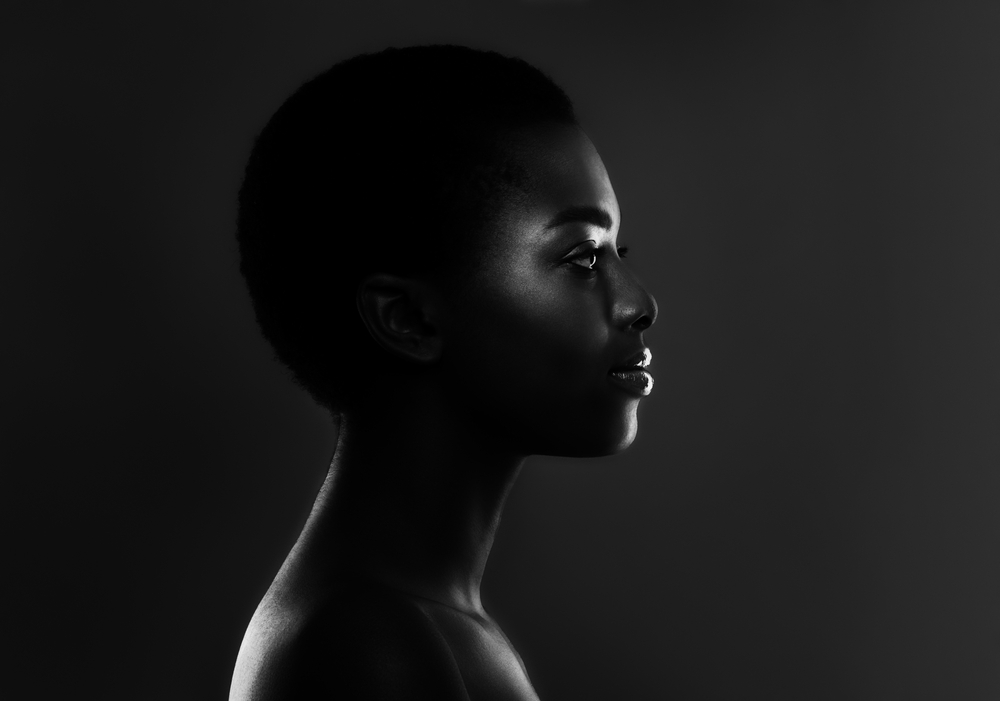
    Image Credit: ShutterStock
    Share
    Facebook Twitter LinkedIn Email Copy Link Threads

    Wigs are everywhere.

    Whether you are a card-carrying wearer or prefer to rock your own natural mane, there is no denying their immeasurable influence. In today’s beauty spaces, they trend big, showing no signs of slowing down. 

    For some, they are versatile; a fun, non-committal way to easily switch up a look. For others, they might be a daily essential for when hair loss sets in. Whatever the reason (and there are many), the conversations about wigs are vast, ranging from easy open dialogue to more complex (and sometimes painful) confidentiality.

    Surely, wigs are amazing, but for Black women, our fervent love affair with them runs deeper than the average red carpet sighting or latest viral video. Personally, I am proud of the continued push to destigmatize and normalize wigs right now, but as it turns out, that “good hair day”  was just as pivotal to our predecessors as it is to us.

    Ancient History: (Yep, We Invented Wigs, too)

    The history of wigs (and hair extensions) is a long and interesting one. Their first documented use dates back to around 3400 BC, in Ancient Egypt. Of course, when we think of hair from that era, Cleopatra’s iconic look typically comes to mind but at the time, custom wigs were also worn by both men and women of high society. 

    There is a great deal of research that suggests how thick, luscious hair was seen as a symbol of wealth and elevated status, often worn by kings, queens, pharaohs and politicians (individuals of lower ranking were not allowed to wear them). Archaeologists have even uncovered remains that show how sheep’s wool, vegetable fibers and the human hair of others (mostly from impoverished women) were either assembled with wax from plants, trees or bees or by lacing them into the wearer’s own, growing hair. Those of this ilk would often elect to shave off their natural hair and have it made into a wig to wear whenever they wished.  Not only was the act one of enormous privilege, it also provided practical benefits, especially when the weather was unbearingly hot.  

    The wigs were elaborate and personalized, embellished with luxurious adornments such as gold and lace that were used to illustrate prestige and aristocracy. Common hair colors were blue, red and gold, often fashioned to enhance naturally dark hair. Actually, rumor has it that Cleopatra’s favorite hair color to wear was blue.

    Another fascinating fact is that some Egyptian women also wore wigs on their chins. Queen Hatshepsut, known as one of Egypt’s greatest pharaohs (man or woman), frequently wore a beard-wig which exhibited her station and position. She was noted as having sponsored one of the country’s most successful trading expeditions of gold, ebony and incense, returning great wealth and artistry to her land. 

    Image Credit: Pexels

    Wig Politics: A Byproduct of Desegregation

    Although Black Americans made great strides to gain equality during the civil rights movement of the 1950s and 1960s, they continued to endure the devastating effects of racism and long-standing, Eurocentric-based grading systems of beauty. 

    “Pageboy” haircuts, bobs, bouffants, beehives and heavy fringes were all the rage, heavily influenced by famous white figures in film and music. For Black women, these hairstyles were not conducive to their own natural hair, so they used wigs that resembled them to secure employment and gain respectability in the workplace. 

    At the same time, wigs were also seen in every facet of Black entertainment. Black doo-wop girl groups of the era wore extravagantly designed wigs for creative expression and aesthetic uniformity when their varying, natural textures were too vast to assign singular, consistent looks.

    Silent Pressures

    There are several types of hair loss, but according to dermatologists, traction alopecia most commonly affects Black women. The condition is caused by wearing hairstyles that are too tight and by the excessive use of heat and chemicals. In fact, one-third of women of African descent are affected by it and mental health professionals say the shame and emotional toll associated with it are dire. 

    They note that the pressure Black women typically face to conform to unfair standards of beauty is directly associated with Euro-American culture and many still struggle to fit that ideal. Wigs offer an easy solution to conceal hair loss, but for some, they also provide an opportunity to subscribe to a caste system that still exists for hair, which might support why the majority of wigs Black women wear do not resemble their natural texture. 

    It’s Quite Complex

    People from all backgrounds wear wigs, but somehow the disdain for Black women wearing them is unreasonably more negative, thanks to racist assumptions that we are all self-loathing.

    However, as long as Black women have existed in America, at some point, most of us have been put down for our natural hair. When you’re constantly told you aren’t good enough because your hair doesn’t resemble those who are hailed as conventionally attractive, the harm tends to drive how you see yourself and others like you. And while many of us are committed to doing the difficult work so we can overcome it and heal, history tethers our hair to our identity. 

    Our hair choices will always have a deeper meaning. 

    beauty Black beauty Hair discrimination Thehub.news wigs
    Danielle Bennett
    • Instagram

    Danielle Bennett, a hairstylist of 20 years, is the owner of The Executive Lounge, a hair salon that caters to businesswomen, located in the Chelsea neighborhood of New York City. She specializes in natural hair care, haircuts, color, hair weaving and is certified in non-surgical hair replacement. Danielle partners with her clients to provide customized services, while she pampers them with luxury products and professional, private accommodations. “The Executive Lounge is your home away from home; it is a tranquil, modern sanctuary where you matter. Your time is valued and your opinion counts. Why? Because you deserve it.” - Danielle Bennett

    Related Stories

    7 Under-the-Radar Black-Owned Brands Crushing the Beauty Space 

    June 13, 2024

    How ‘The Beauty Genie’ Is Turning Black Hair Deserts Into Sanctuaries of Accessibility

    May 11, 2023

    Supporting Black Business in Beauty Is More Than Just Buying Products

    May 4, 2023

    Is ‘Hair Autonomy’ the Next Big Thing in the Natural Hair Movement?

    January 16, 2023

    Pretty and Protective: The Inspiring Backstory of the Hair Bonnet

    January 5, 2023

    Black Hair Trauma Is Real: And It Deserves to Be Taken Seriously

    December 1, 2022
    Recent Posts
    • Lessons From Prison on Media Consolidation and Censorship
    • “The Pivot” Moving to Netflix Shows ESPN Isn’t the Required Home It Once Was
    • ‘Eyes on Cuba’: A Conversation About Humanitarian Conditions Facing Cuba in the Midst of Crippling US Blockade
    • This Day in History: September 4th
    • Racist Who Harassed LA Sparks’ Dearica Hamby Fired by Employer

    Lessons From Prison on Media Consolidation and Censorship

    By Jeremy Busby

    “The Pivot” Moving to Netflix Shows ESPN Isn’t the Required Home It Once Was

    By FirstandPen

    ‘Eyes on Cuba’: A Conversation About Humanitarian Conditions Facing Cuba in the Midst of Crippling US Blockade

    By Insight News

    This Day in History: September 4th

    By TheHub.news Staff

    Subscribe to Updates

    A free newsletter delivering stories that matter straight to your inbox.

    About
    About

    TheHub.news is a storytelling and news platform committed to telling our stories through our lens. With facts at the center, we document the lived reality of our experience globally—our progress, our challenges, and our impact—without distortion, dilution, or apology.

    X (Twitter) Instagram YouTube

    Lessons From Prison on Media Consolidation and Censorship

    By Jeremy Busby

    “The Pivot” Moving to Netflix Shows ESPN Isn’t the Required Home It Once Was

    By FirstandPen

    ‘Eyes on Cuba’: A Conversation About Humanitarian Conditions Facing Cuba in the Midst of Crippling US Blockade

    By Insight News

    This Day in History: September 4th

    By TheHub.news Staff

    Subscribe to Updates

    A free newsletter delivering stories that matter straight to your inbox.

    © 2026 TheHub.news A 501(c)(3) tax-exempt organization.

    Type above and press Enter to search. Press Esc to cancel.