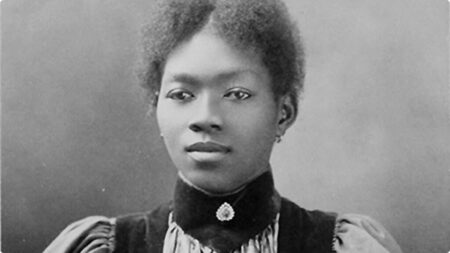



On Jan. 22, 1906, Willa Brown was born in Glasgow, Kentucky, a woman who would become a pioneering figure in American aviation, civil rights and public service.
Brown was the first African American woman to earn a pilot’s license in the United States and the first woman in the country to hold both a pilot’s license and an aircraft mechanic’s license. She also became the first African American officer in the Civil Air Patrol and the first African American woman to run for the U.S. Congress.
Brown was raised in Indiana and earned a bachelor’s degree from Indiana State Teachers College in 1927. She later earned an MBA from Northwestern University. She began her career as a teacher, working in Indiana and later Chicago, while holding various jobs, including social work and clerical positions. Her path shifted in 1934 when she was introduced to aviation through the Challenger Air Pilots Association, a group of African American pilots.
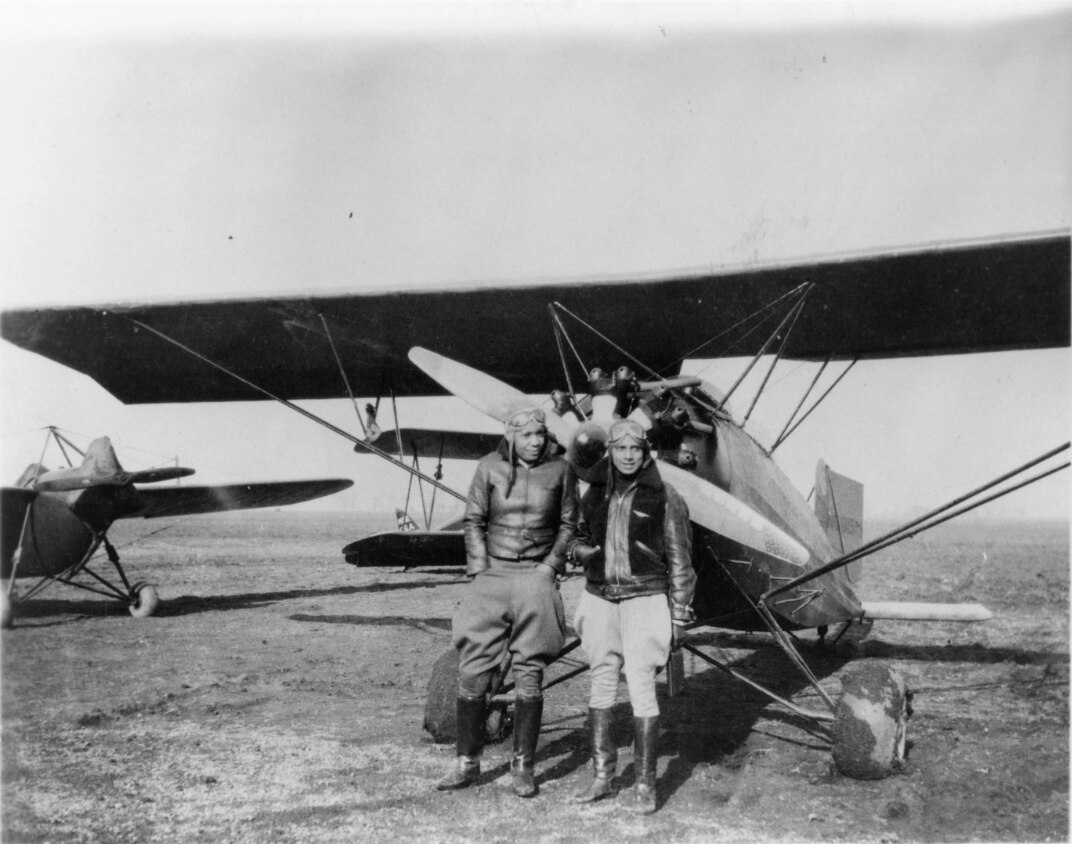
That same year, Brown began flight training at Chicago’s segregated Harlem Field. She studied flying and aircraft maintenance and earned an aircraft mechanic’s license in 1935. In 1938, she earned her private pilot’s license, followed by a commercial pilot’s license in 1939, becoming the first African American woman to do so. She worked as a pilot, performed in air shows and served as an aviation educator and advocate.
Brown co-founded the National Airmen’s Association of America and served as a national officer and president of its Chicago branch. She used those roles to promote aviation among African Americans and to challenge racial barriers in the industry. In 1940, she and Cornelius Coffey co-founded the Coffey School of Aeronautics, the first Black-owned private flight school in the United States. Brown served as the school’s director and instructor and helped secure federal contracts through the Civilian Pilot Training Program.
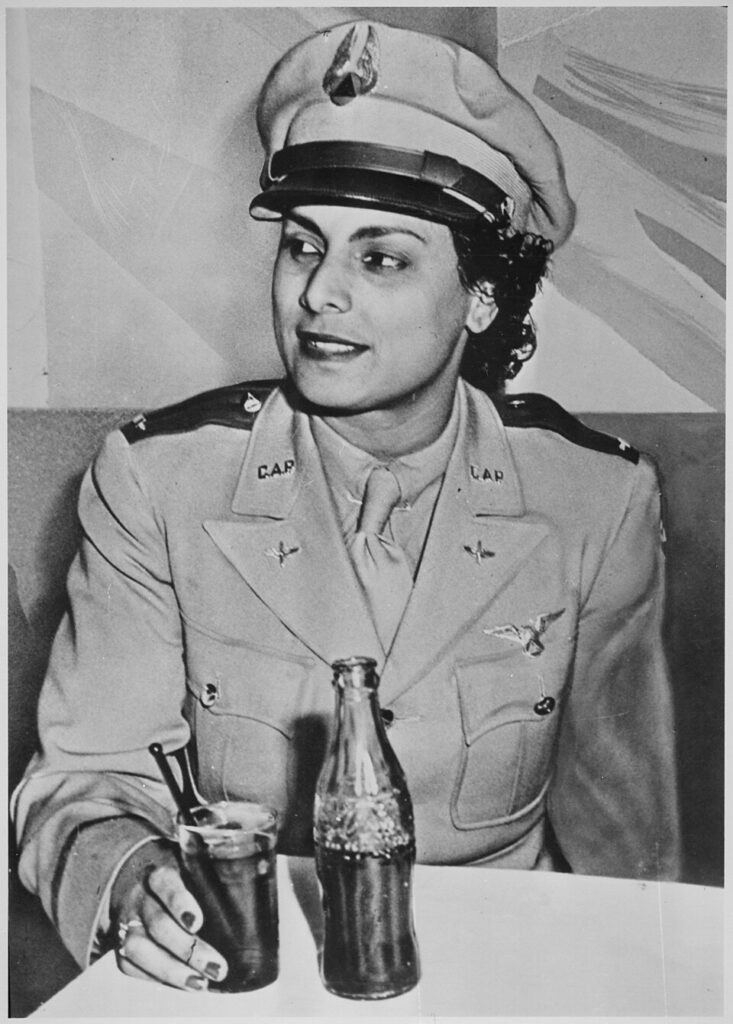
“Willa Beatrice Brown, a 31-year-old Negro American, serves her country by training pilots for the U.S. Army Air Forces. She is the first Negro woman to receive a commission as a lieutenant in the U.S. Civil Air Patrol.”
The Coffey School trained hundreds of pilots, nearly 200 of whom later joined the Tuskegee Airmen. Brown lobbied extensively to integrate the Army Air Corps and to overturn long-standing claims that African Americans were unfit to fly. In 1942, she became a lieutenant in the Civil Air Patrol, administering units with more than 1,000 members. She later served as a war-training service coordinator for the Civil Aeronautics Authority.
After World War II, Brown remained active in aviation organizations and public life. She ran in Republican congressional primaries in 1946, 1948 and 1950, becoming the first African American woman to seek a congressional seat, though she did not win. She returned to teaching and worked in Chicago public schools until her retirement in 1971.
Brown died on July 18, 1992, in Chicago. Her legacy has been recognized through numerous honors, including induction into the National Aviation Hall of Fame in 2022, cementing her place in American history as a trailblazer in aviation and civil rights.