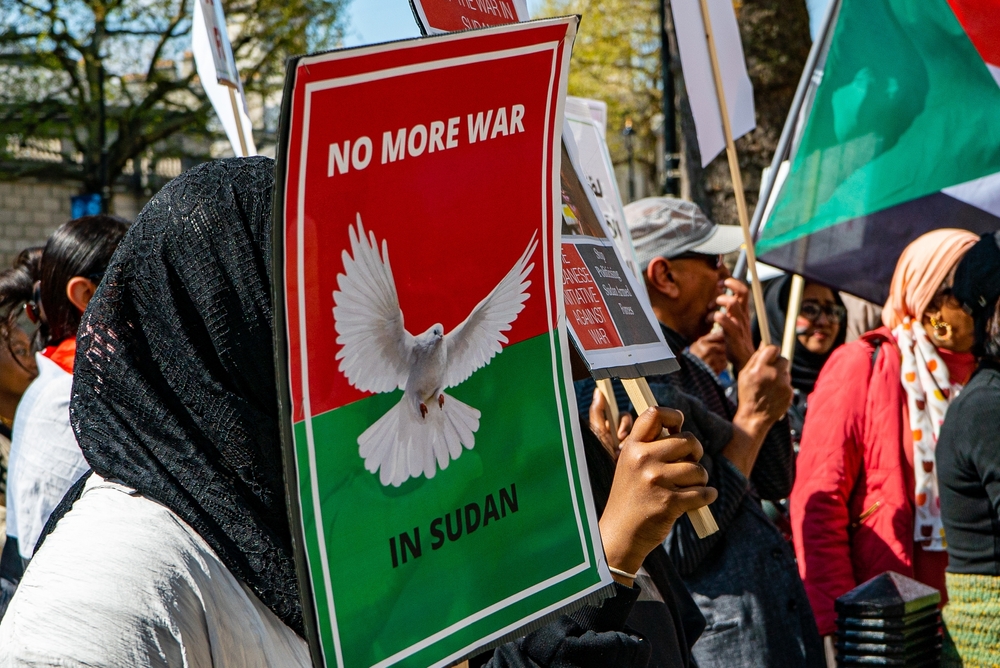



Yesterday marked three years since the beginning of the war in Sudan.
On April 15, 2023, infighting began between the Sudanese army, led by Gen. Abdel Fattah al-Burhan, and the former backer, the paramilitary Rapid Support Forces, led by Mohamed Hamdan Dagalo. In 2019, both al-Burhan and Dagalo joined forces to overthrow the longtime autocrat Omar al-Bashir. As al-Burhan took control as head of state, both men fell out over plans on what the transition would look like.
Now, the power struggle between the two groups has wreaked havoc in the larger Darfur region of Sudan.
The U.N. reports that almost 14 million people have been displaced from their homes, and though there are signs of families returning to areas such as Khartoum, the area might never return to normalcy. A majority of the capital region remains in ruins, although rebuilding initiatives have begun.
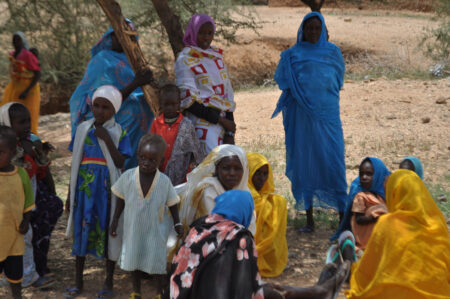
Outside of Kharatoum, however, no attempts to rebuild homes and lives have begun as the in-fighting rages on. Millions are without a home and are forced to live in makeshift camps. A famine has spread across Sudan, affecting approximately 33.37 million people out of the country’s 51 million inhabitants.
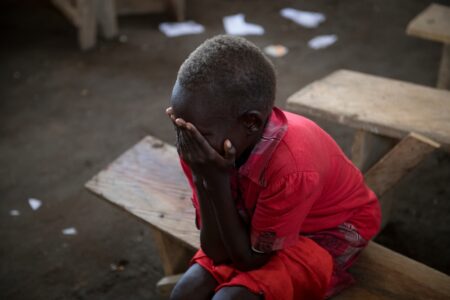
According to Action Against Hunger, over 21 million people have been diagnosed with acute hunger. Two of three current global famines are in Sudan in El-Fasher and Kadugli. Approximately 80% of health centers are not operational as attacks have been executed on them, while 60% of water systems are also currently failing. Children between six months and five years old have been identified as the most vulnerable demographic to the famine. In places such as North Darfur, over 50% of all children are acutely malnourished.
Sudan is also dealing with multiple disease outbreaks, including cholera, malaria, measles and dengue, as citizens deal with immunity issues as a result of malnutrition. In places like El Fasher, a city that was plagued with a siege for 18 months, severe restrictions to access to food, water and medical care, including immunization, has led to multiple outbreaks.
WHO has provided assistance, treating more than 118,000 children with severe acute malnutrition. Through distributing vaccines, the organization and the Federal and State Ministries of Health have contained two cholera outbreaks this year.
Thousands have also been killed throughout the Sudan War as a result of the attacks. Per ACLED, in the first two months of 2026 alone, at least 198 drone strikes have already been carried out, killing 478 people. Overall, every 27 minutes, someone in Sudan is murdered as an estimated 400,000 people have been killed since 2023. The toll is expected to be higher as there’s no access to some areas where fighting is ongoing. Sexual violence is also rampant. Approximately 3,396 women and girls have been victims of both the Sudanese army and the RSF.
“For us, when we hear the sound – we just rush and hide ourselves. We run to the river, and sometimes we can go into our foxhole,” said Sudanese citizen Zaki per ACLED. “We go to the town and go to where there are no buildings sometimes.”
As of now, only 16% of the estimated $2.87 billion needed to fund the humanitarian response has been made available to Sudanese citizens. With the crisis entering its fourth year, Germany announced that it will be providing humanitarian assistance.
Announced yesterday at an international conference dedicated to designating $1 billion in funding for initiatives, Foreign Minister Johann Wadephul said that 212 million euros, or $249.97 million, will be allocated to Sudan.
Overall, at the conference, donors pledged to provide 1.5 billion euros in humanitarian aid to Sudan to address the crises.
“The Berlin conference is an important signal that Sudan is not being forgotten,” said Comfort Ero, the president and CEO of International Crisis Group, per Reuters. “Yet the sad tragedy is that an end to the war looks as far away as ever.”
As of now, although attempts have been made, a ceasefire is nowhere near in sight.