


This lecture 19 of Manifest Delusion is about the moment America learned it didn’t need chains to keep a racial caste system running, and how it built something more durable instead.
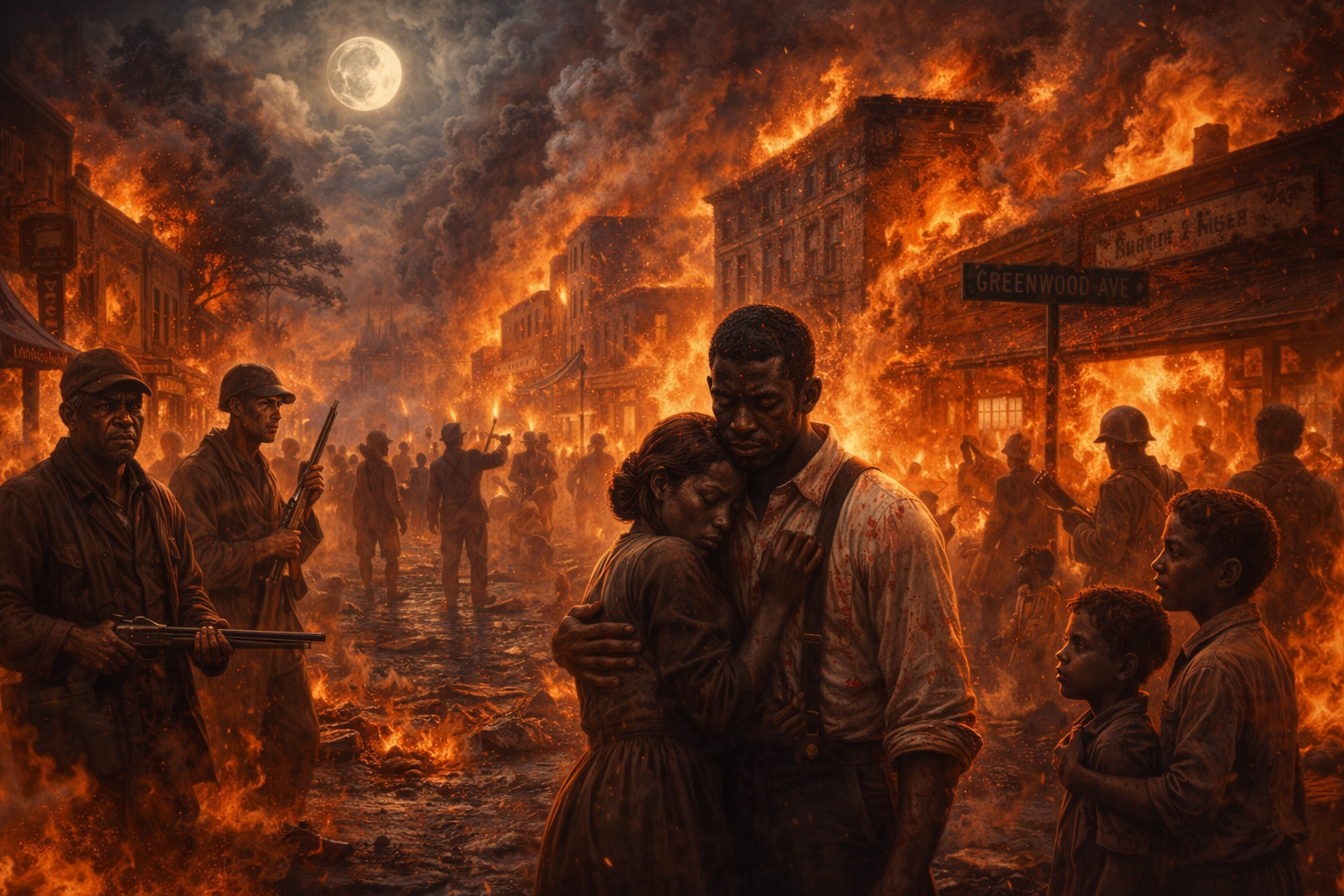
After the Civil War, the question was never whether white supremacy would survive. The question was how it would reinvent itself while still calling itself democracy. The answer was Jim Crow and lynching. This lecture explores how lynching was not random violence or a regional pathology, but a national system that fused law, economy, story, and terror into a single machine.
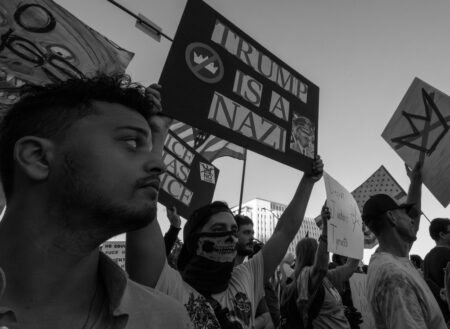
If you want to understand why “law and order” keeps showing up exactly when Black people demand justice… why the state keeps treating Black truth-telling like a threat… and why history keeps getting rewritten right when it becomes most useful, this lecture is going to make you very uncomfortable. And that’s the point.
Questions to Think About
- How does a nation rebuild racial domination after it loses a war it was sure it would win?
- What does a caste system do when it can no longer legally call itself slavery, and who benefits from the new language it creates?
- How do you turn terror into tradition and then teach generations to call that tradition “order”?
- What does it mean that, more than a century later, the state can still treat Black witnessing, documenting injustice, and recording power in motion as if it were the crime?
- And the hardest one: if you can see these patterns clearly, what responsibility do you carry now that you know?
Recommended Readings
Southern Horrors: Lynch Law in All Its Phases by Ida B. Wells.
The Red Record: Tabulated Statistics and Alleged Causes of Lynching in the United States byIda B. Wells.
Black Reconstruction in America, 1860–1880 byW.E.B. Du Bois.
A Festival of Violence: An Analysis of Southern Lynchings, 1882–1930 by Stewart E. Tolnay and E.M. Beck.
Lynching in the New South: Georgia and Virginia, 1880–1930 by W. Fitzhugh Brundage.
The Many Faces of Judge Lynch: Extralegal Violence and Punishment in America by Christopher Waldrep.
Race and Reunion: The Civil War in American Memory by David W. Blight.
Dixie’s Daughters: The United Daughters of the Confederacy and the Preservation of Confederate Culture by Karen L. Cox.
Slavery by Another Name: The Re-Enslavement of Black Americans from the Civil War to World War II by Douglas A. Blackmon.
Chained in Silence: Black Women and Convict Labor in the New South by Talitha L. LeFlouria.
Trouble in Mind: Black Southerners in the Age of Jim Crow by Leon F. Litwack.
Gender and Jim Crow: Women and the Politics of White Supremacy in North Carolina, 1896–1920 by Glenda Elizabeth Gilmore.
The Strange Career of Jim Crow by C. Vann Woodward.
The New Jim Crow: Mass Incarceration in the Age of Colorblindness by Michelle Alexander.
At the Hands of Persons Unknown: The Lynching of Black America by Philip Dray.
Spectacular Secret: Lynching in American Life and Literature by Jacqueline Goldsby.
If this lecture sharpened something in you, then you already understand why this work matters. So consider becoming a paid subscriber. I don’t do watered-down history. I don’t do museum-safe narratives that make America feel comfortable while burying the truth. I do the kind of history that connects law, power, money, story and lived experience so you can see how the past is still actively shaping the world you’re moving through right now. If this piece resonated with you, then please consider becoming a paid subscriber. Paid subscriptions help keep my Substack unfiltered and ad free. They also help me raise money for HBCU journalism students who need laptops, DSLR cameras, tripods, mics, lights, software, travel funds for conferences and reporting trips, and food from our pantry. You can also follow me on Facebook!
We appreciate you!