




The Genius of Black People
Created by Rev. Dr. Otis Moss III, TheHub.news presents its Black History Month series celebrating the genius of Black people—stories of courage, faith and creativity forged in struggle. Inspired by ancestors like Walter Francis White, this series honors sacred memory and lifts up the divine brilliance shaping justice and resilience today.

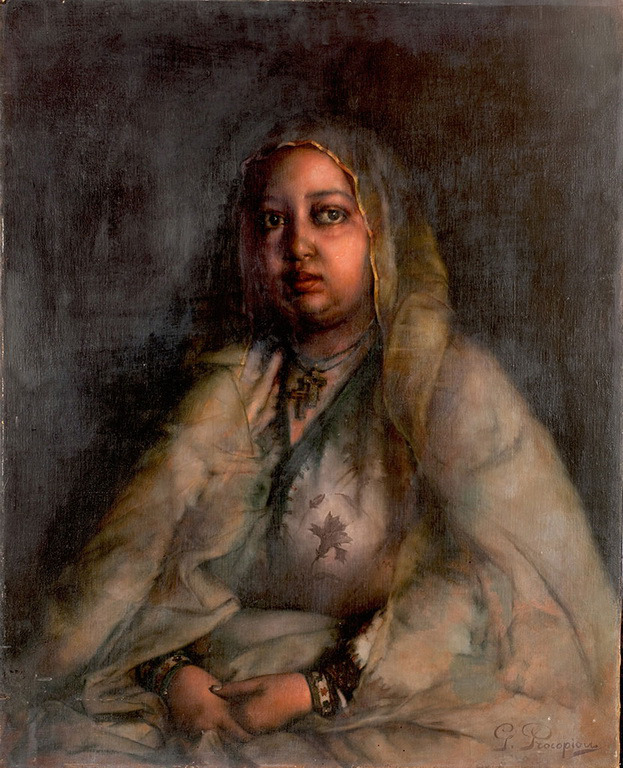
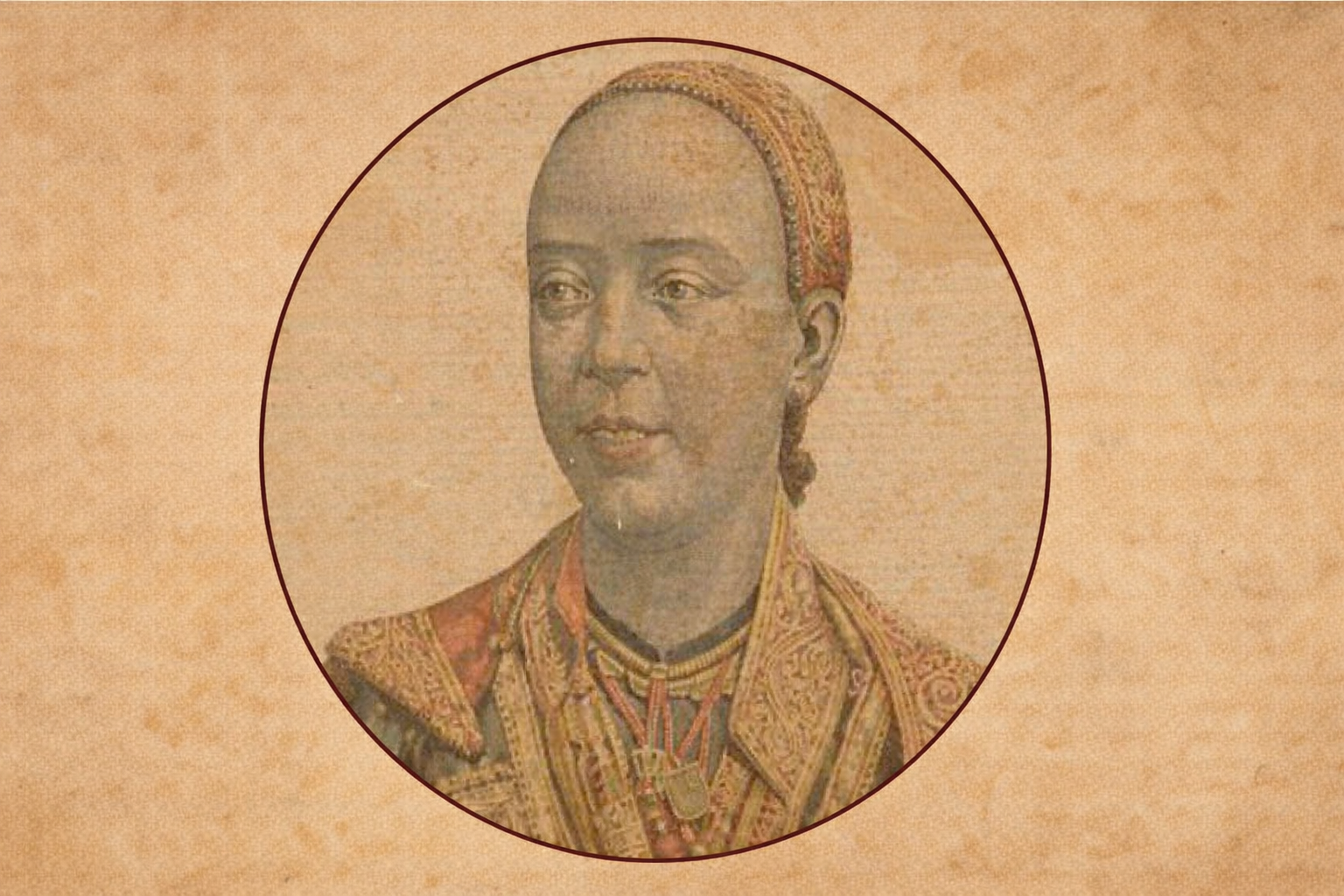
Empress Taytu Betul of Ethiopia (c. 1851–1918) stands as one of Africa’s most formidable political strategists and defenders of independence. Born into an influential aristocratic family in northern Ethiopia, she married King Menelik of Shewa in 1883 and helped him consolidate power before he became Emperor Menelik II. Far from a ceremonial consort, Taytu emerged as a co-ruler whose sharp political instincts and unwavering nationalism shaped Ethiopia’s fate at a critical moment.
Taytu quickly proved herself an astute diplomat. Suspicious of European ambitions in Africa during the period known as the “Scramble for Africa,” she viewed European ambitions, treaties and so-called “friendship” offers with deep skepticism. Her instincts proved crucial in the crisis over the 1889 Treaty of Wuchale, signed between Ethiopia and Italy. The Amharic version of the treaty framed Italy as a diplomatic intermediary; the Italian version falsely claimed Ethiopia had accepted Italian “protection,” effectively turning the empire into an Italian colony on paper.
Recognizing this betrayal, Taytu fiercely opposed any acceptance of the treaty’s Italian interpretation. She is said to have declared that she would not “sell her country’s independence for a few rifles and pieces of cloth.” Her clarity helped stiffen Menelik’s resolve and rallied the court against conceding sovereignty. When diplomacy failed, war followed.
“You want other countries to see Ethiopia as your protégé, but that will never be.” – Taytu Betul
During the First Italo-Ethiopian War, Taytu did not retire behind palace walls. At the decisive Battle of Adwa in 1896, she personally accompanied the army, led her own contingent of troops and organized logistics and medical care. She helped secure strategic positions, including control over key water sources that weakened the Italian advance. Ethiopia’s
stunning victory at Adwa preserved its independence and made it a global symbol of African resistance to colonial domination. Taytu’s role in that victory cemented her reputation as a warrior-empress.
Beyond the battlefield, Taytu left a lasting imprint on Ethiopia’s internal
development. She championed the founding and growth of Addis Ababa as the new capital, choosing its site for its strategic and environmental advantages. She supported the expansion of schools, churches, and roads, contributing to the empire’s modernization on Ethiopian terms, not European ones.
Taytu Betul is remembered as a leader who combined political cunning, military courage, and patriotic resolve. In an age when empires fell to European conquest, she helped ensure that Ethiopia remained one of the few African states to retain its sovereignty.
Explore Rev. Dr. Otis Moss III’s @trinitychgo, and you can also connect with him and explore his work at https://www.otisdream.com.