
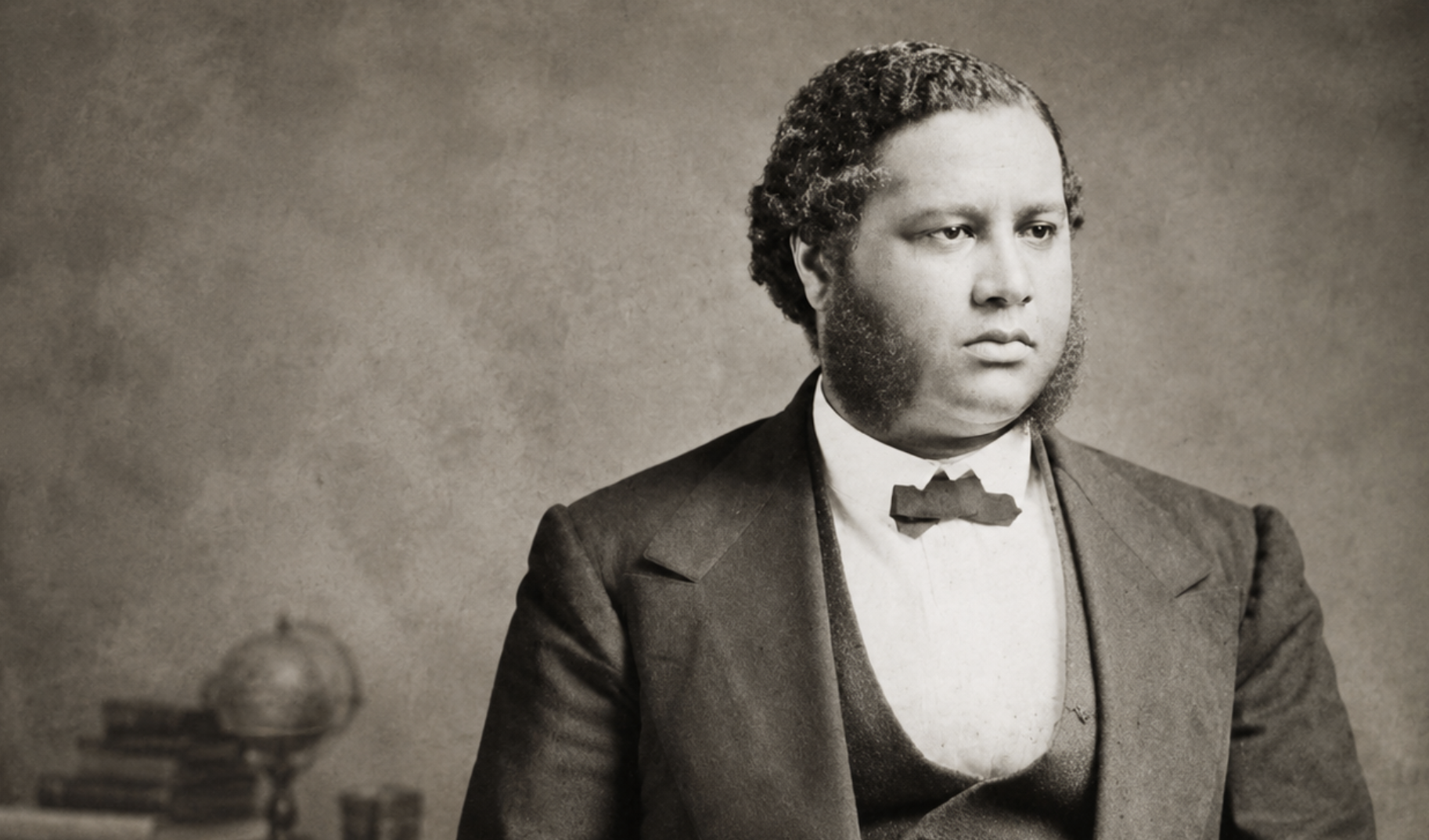
On this day in 1903, Francis Lewis Cardozo, a pioneering Black educator, minister and political leader, died in Washington, D.C.
He was 67.
Cardozo made history during Reconstruction as the first African American elected to statewide office in the United States.
Born free on Feb. 1, 1836, in Charleston, South Carolina, Cardozo was the son of Lydia Williams Weston, a free woman of color, and Isaac Nunez Cardozo, a Sephardic Jewish man of Portuguese descent. South Carolina law prohibited interracial marriage, so his parents lived in a common-law union.
Cardozo attended a private school for free Black children before traveling abroad for his education. He enrolled at the University of Glasgow in Scotland in 1858 and later studied at seminaries in Edinburgh and London. After becoming an ordained Presbyterian minister, he returned to the United States and served as a pastor in New Haven, Connecticut.
In 1865, Cardozo returned to Charleston with the American Missionary Association. He helped transform a school for formerly enslaved people into the Avery Normal Institute, one of the South’s earliest free secondary schools for African Americans. The institute trained Black teachers at a time when education was one of the highest priorities for freed families building lives beyond slavery.
Cardozo entered politics as a delegate to South Carolina’s 1868 constitutional convention. As chairman of the education committee, he pushed for the creation of public schools and supported an integrated system.
Later that year, he was elected South Carolina secretary of state. The victory made him the first Black person in the nation to hold a statewide office. He later served as state treasurer and became known for resisting corruption within the Reconstruction government.
After white Democrats regained control of South Carolina, Cardozo was prosecuted on corruption charges based on disputed evidence. He spent more than six months in jail before receiving a pardon in 1879.
Cardozo later moved to Washington, where he worked for the U.S. Treasury Department and returned to education. In 1884, he became principal of the Colored Preparatory High School. He expanded its curriculum, introduced business courses and helped establish it as a leading institution for Black students.
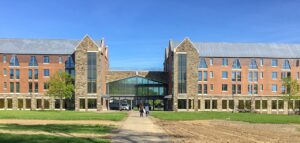
He remained a firm supporter of integrated education until his retirement in 1896. In 1928, a Washington high school was named in his honor, recognizing a man whose work helped advance Black political leadership and educational opportunity.