


Close Menu
TheHub.news

    First Came the Flock Cameras. Now Local Cops Want Autonomous Drones.

    By TheHub.news Staff

    How Flo Anthony Changed the Way We Tell Black Stories

    By Danielle Bennett

    WHO Says Congo’s Ebola Outbreak Began Months Earlier Than Reported

    By Veronika Lleshi

    Subscribe to Updates

    Get the latest creative news from FooBar about art, design and business.

    X (Twitter) Instagram YouTube
    X (Twitter) Instagram YouTube
    TheHub.news
    Support Our Work
    • Home
    • Our Story
      • News & Views
        • Politics
        • Injustice
        • HBCUs
        • Watch
      • Food
        • Cuisine Noir
        • soulPhoodie
      • Passport Heavy
      • Travel
      • Diaspora
      • This Day
      • Entertainment
      • History
      • Art
      • Music
    • Health
    • Money

      Cashflow Coach: I Planted a Money Tree!

      August 4, 2026

      Breaking Down the 2 Different Types of Income

      July 7, 2026

      Black Americans Are Already Living Through a Recession

      July 6, 2026

      You Must Be an Owner to Win 

      June 23, 2026

      Economic Empowerment Has Always Been a Part of Black History

      February 12, 2026
    • Books
    • Business
    • Sports
      1. First and Pen
      2. View All

      Enes Kanter, Royce White’s Foolishness Is Part of a Much Larger Attack on Women’s Sports and Rights

      August 11, 2026

      Chicago White Sox Great Tim Anderson Retires

      August 11, 2026

      NFL Running Backs Finally Get Their Just Paydays

      August 10, 2026

      The WPBL Can Right Past Wrongs and Welcome Black Women Baseball Players

      August 3, 2026

      Enes Kanter, Royce White’s Foolishness Is Part of a Much Larger Attack on Women’s Sports and Rights

      August 11, 2026

      Chicago White Sox Great Tim Anderson Retires

      August 11, 2026

      NFL Running Backs Finally Get Their Just Paydays

      August 10, 2026

      The WPBL Can Right Past Wrongs and Welcome Black Women Baseball Players

      August 3, 2026
    • Tech
    • Podcasts
      1. Karen Hunter is Awesome
      2. Lurie Breaks it Down
      3. Human(ing) Well with Amber Cabral
      4. Financially Speaking
      5. In Class with Carr
      6. View All

      First Came the Flock Cameras. Now Local Cops Want Autonomous Drones.

      August 13, 2026

      How Flo Anthony Changed the Way We Tell Black Stories

      August 13, 2026

      WHO Says Congo’s Ebola Outbreak Began Months Earlier Than Reported

      August 13, 2026

      This Day in History, August 13th

      August 13, 2026

      First Came the Flock Cameras. Now Local Cops Want Autonomous Drones.

      August 13, 2026

      How Flo Anthony Changed the Way We Tell Black Stories

      August 13, 2026

      WHO Says Congo’s Ebola Outbreak Began Months Earlier Than Reported

      August 13, 2026

      This Day in History, August 13th

      August 13, 2026

      First Came the Flock Cameras. Now Local Cops Want Autonomous Drones.

      August 13, 2026

      How Flo Anthony Changed the Way We Tell Black Stories

      August 13, 2026

      WHO Says Congo’s Ebola Outbreak Began Months Earlier Than Reported

      August 13, 2026

      This Day in History, August 13th

      August 13, 2026

      First Came the Flock Cameras. Now Local Cops Want Autonomous Drones.

      August 13, 2026

      How Flo Anthony Changed the Way We Tell Black Stories

      August 13, 2026

      WHO Says Congo’s Ebola Outbreak Began Months Earlier Than Reported

      August 13, 2026

      This Day in History, August 13th

      August 13, 2026

      First Came the Flock Cameras. Now Local Cops Want Autonomous Drones.

      August 13, 2026

      How Flo Anthony Changed the Way We Tell Black Stories

      August 13, 2026

      WHO Says Congo’s Ebola Outbreak Began Months Earlier Than Reported

      August 13, 2026

      This Day in History, August 13th

      August 13, 2026

      In Class with Carr: Beginning Black August

      August 3, 2026

      In Class with Carr: “Rock the Vote!”

      July 21, 2026

      In Class with Carr: “Odds and Ends”

      July 13, 2026

      In Class with Carr: “Belonging Beyond 1776: The Semiquincentennial Blues”

      July 6, 2026
    TheHub.news
    Injustice

    When Black Protesters Tried to Swim in Florida, a White Mob Nearly Killed Them

    By Veronika LleshiJune 25, 20264 Mins Read
    Share Email Copy Link
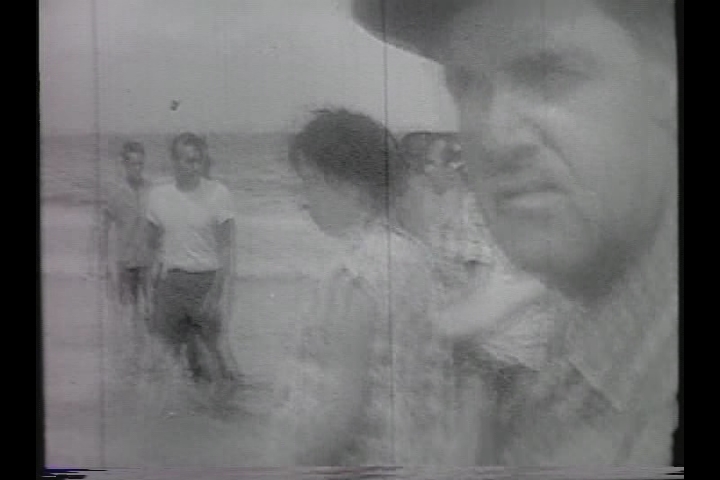
    Excerpt of original. This film provides extensive footage of the St. Augustine race riots. In this clip, black demonstrators are attacked on Butler Beach and groups of blacks and whites occupy the streets at night. The complete film shows demonstrations by blacks on Butler Beach in St. Augustine, counter demonstrations by whites, speeches made by Dr. Martin Luther King, Jr. and Governor Farris Bryant, and speeches by segregationists such as Reverend Connie Lynch, Richard "Hoss" Manucy, and Klansman J.B. Stoner. It also includes scenes of the highway patrol sent in to assist local law enforcement officials. To see full-length versions of this and other videos from the State Archives of Florida
    Share
    Facebook Twitter LinkedIn Email Copy Link Threads

    On this day in 1964, 75 peaceful demonstrators protesting racial segregation in St. Augustine, FL, were attacked by more than 500 white people in what was known as one of the most violent days of the Civil Rights Movement. 

    Amongst those attacked was SCLC leader C.T. Vivian. Vivian was a close ally of Rev. Dr. Martin Luther King Jr and was strongly involved in pre-Civil Rights Movement protests. Throughout the 1940s, he was heavily involved with organizing lunch-counter sit-ins in Peoria, Illinois. During the 1960s, he and Dr. King organized Freedom Rides across the South to protest against racial segregation.

    He was almost killed in St. Augustine when a group of white people, including the police, used chains to nearly drown him. The violent confrontation led to the hospitalization of 19 people. A majority of them were announced as being in critical condition. 

    The protestors who had gathered at St. Augustine Beach in Florida were taking part in a demonstration known as a “wade-in.” Conceptualized by council members Ira P. Davis and Lawson Thomas in the 1940s, the “wade-ins” were meant to draw attention to swimming facilities and the existing segregation in public spaces such as Baker’s Haulover Beach and Lido Beach. Through “wade-ins,” Black Americans could enter the waters and enjoy the beach. If they were arrested, legal teams could officially challenge segregation in court. 

    Civil rights groups also began to draw attention to the lack of public beaches. Although a request was made for a public bathing beach for Black Americans, the request was never addressed. When plans were initially developed, they did not materialize until Broward County purchased a strip of land in the Everglades. The area chosen was not accessible to citizens, however, and no road was available to use. 

    On October 3, 1955, 100 Black Floridians staged the first of the mid-1950s wade-ins. Throughout the next five years, the wade-ins began to garner more attention. The federal courts had already provided legal ammunition for desegregation, ordering that Black residents should be allowed to use public swimming spots. 

    The police, however, did not enforce the federal court’s ruling, allowing facility owners to continue their discriminatory rules. By 1961, the NAACP continued to organize frequent “wade-ins” in Fort Lauderdale. Although there was no physical violence, the protestors were often met with hate group members, the police and other white people wielding weapons. 

    Black protestors were arrested for their part in the “wade-ins” for allegedly “disturbing the peace.” With the NAACP’s support, however, a Florida state judge ruled against segregated beaches.

    On June 17, 1964, the first of the “wade-ins” in St. Augustine was held by 35 people. While this “wade-in” was successful, the next week’s “wade-in” was prevented from happening by white beachgoers who created a physical blockade for the shoreline. A group of  300 white people marched to protest integration on beaches.

    Other subsequent “wade-ins” were marred by attacks using acid, an off-duty police officer physically beating the swimmers and assaults on supporters of the “wade-ins,” including State Senator Verle Pope.

    The beaches were eventually desegregated through the passage of the Civil Rights Act. Signed into law on July 2, the legislation was implemented after significant political pressure from members of the Civil Rights Movement and the attack on protestors at St. Augustine. Images from the attack drew nationwide attention to the movement’s mission. 

    Through the Civil Rights Act of 1964, segregation in public places was banned as well as employment discrimination based on race, gender, religion and national origin. 

    Following its passage, segregation on the beach was officially banned as acts against the latest law were criminalized, making it impossible for police officers and facility owners to continue to deny Black residents access to swimming facilities.

    • A Californian Tour Shines a Light on the Hidden Black History in the Area
    • 5 Historically Black Beaches and Resort Towns Worth a Visit This Summer
    • Jamaica’s Fight for the Beach Is Really a Fight for Sovereignty
    • Dive in for Better Health
    • Did You Know Racial Segregation in Public Schools Was Ruled Unconstitutional on This Day?
    race riot St. Augustine Civil Rights Demonstrations Thehub.news This Day in History
    Veronika Lleshi

    Veronika Lleshi is an aspiring journalist. She currently writes for Hunter College's school newspaper, Hunter News Now. In her free time, she enjoys reading, writing and making music. Lleshi is an Athena scholar who enjoys getting involved in her community.

    Related Stories

    Guion Bluford's 1983 mission on the space shuttle Challenger made history.

    This Day in History: The Expeditions of Guion Bluford, First Black American in Space

    November 22, 2025

    This Day in History: October 25

    October 25, 2025

    This Day in History: October 21st

    October 21, 2025

    This Day in History: October 9th

    October 9, 2025

    This Day in History: October 7th

    October 7, 2025

    5 Things to Know About the Late Ray Charles

    September 23, 2025
    Recent Posts
    • First Came the Flock Cameras. Now Local Cops Want Autonomous Drones.
    • How Flo Anthony Changed the Way We Tell Black Stories
    • WHO Says Congo’s Ebola Outbreak Began Months Earlier Than Reported
    • This Day in History, August 13th
    • Make Measles Great Again? Trump Just Rewrote the Childhood Vaccine Schedule

    First Came the Flock Cameras. Now Local Cops Want Autonomous Drones.

    By TheHub.news Staff

    How Flo Anthony Changed the Way We Tell Black Stories

    By Danielle Bennett

    WHO Says Congo’s Ebola Outbreak Began Months Earlier Than Reported

    By Veronika Lleshi

    This Day in History, August 13th

    By Shayla Farrow

    Subscribe to Updates

    A free newsletter delivering stories that matter straight to your inbox.

    About
    About

    TheHub.news is a storytelling and news platform committed to telling our stories through our lens. With facts at the center, we document the lived reality of our experience globally—our progress, our challenges, and our impact—without distortion, dilution, or apology.

    X (Twitter) Instagram YouTube

    First Came the Flock Cameras. Now Local Cops Want Autonomous Drones.

    By TheHub.news Staff

    How Flo Anthony Changed the Way We Tell Black Stories

    By Danielle Bennett

    WHO Says Congo’s Ebola Outbreak Began Months Earlier Than Reported

    By Veronika Lleshi

    This Day in History, August 13th

    By Shayla Farrow

    Subscribe to Updates

    A free newsletter delivering stories that matter straight to your inbox.

    © 2026 TheHub.news A 501(c)(3) tax-exempt organization.

    Type above and press Enter to search. Press Esc to cancel.