



The doors of the church are open. Good morning, saints.
Good morning to the faithful.
Good morning to the curious.
Good morning to the folks who came in here today with questions you weren’t sure you could to ask in church.
Beloved children of the sun, sometimes the questions we’re afraid to ask are the ones that bring us closest to the truth. Am I right?
Turn to your neighbor and say, “Neighbor… God is not afraid of your questions.”
Because the Bible is full of folks who asked god some hard questions. And you know what? They actually lived to tell about it.
Now some of y’all act like god is so fragile that one honest question might make the heavens collapse. Like if you ask the wrong thing, lightning might come down, or somebody’s choir robe might catch fire.
But an atheist like me knows at least this much about the god y’all believe in: if god is big enough to create the universe, surely god is big enough to handle a question.
Amen?!!
Abraham questioned god’s justice over Sodom. Moses beefed with god about destroying Israel. Job demanded answers for his suffering. The psalmists cried out, “How long, O Lord?”
Habakkuk looked at the violence around him and asked god why wickedness was allowed to flourish. Jeremiah cried out and asked why the way of the wicked prospered while the faithful suffered. Gideon stood face to face with an angel and challenged god by asking why Israel was oppressed if god was truly with them.
Even Mary, when the angel told her she was gonna bear a child, asked god straight up, “How can this be?” And even Jesus dying on the cross asked, “My god, why have you forsaken me?” What kind of father allows this to happen to his only son. Why am I hanging here, suffering, humiliated, and exposed to the world?
The scriptures preserve those questions because faith has never meant silent obedience or pretending everything makes sense. Faith means you wrestle with truth. You name injustice. And, you ask the questions that keep your conscience awake. Questioning has always been part of the sacred conversation between humanity and the divine.
Jesus literally commands believers to ask and seek. The act of questioning is presented as part of the spiritual journey. He says in Matthew 7:7, “Ask, and it will be given to you; seek, and you will find; knock, and the door will be opened to you.”
God invites inquiry. Jeremiah 33:3 says, “Call to me and I will answer you and tell you great and unsearchable things you do not know.” God doesn’t say “stay quiet” or “don’t question.” God says call to me. Saints, that sounds like asking, seeking, wrestling, and wanting to understand.
So if faith gives us permission to ask the hard questions, if scripture itself teaches us that wrestling with truth is part of our spiritual duty, then we can’t sit here and pretend the questions rising in our own time don’t belong in the sanctuary.
I don’t think Y’all want me to preach this morning.
Because the world outside these walls is asking something uncomfortable right now, and the church cannot afford to whisper when the moment demands honesty.
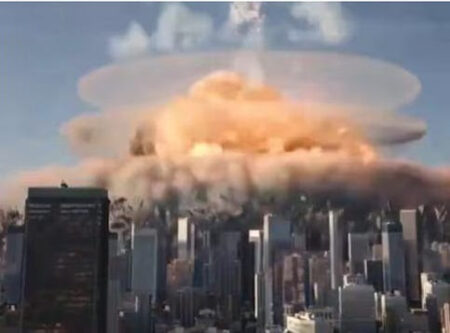
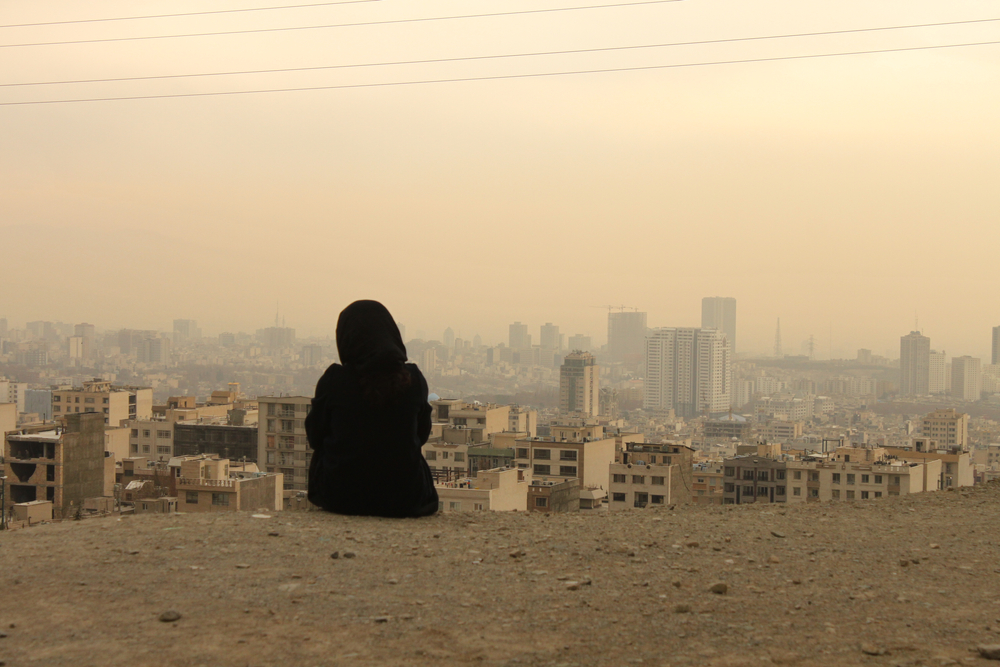
Saints, all week long I’ve been scrolling through social media watching the arguments. Watching the outrage. I’ve been seeing the memes. The videos. The posts where people replay the war footage. I’ve seen the laughing emojis. The shrugging shoulders. I’ve been seeing timeline after timeline filled with folks basically saying, “You’ve been dropping bombs on everybody else for years . . . now look.”
And through all that noise, all those memes, all that commentary, one question keeps rising up over and over again: Is it a sin to cheer for Iran?
Now I felt some of y’all shift in your seats just now. Somebody just said, “Lord have mercy. No she did not ask that question.”
And I can hear somebody thinking right now: How could the preacher ask a question like that? With missiles flying. With people dying. With the world on edge. How could you bring a question like that into the sanctuary? Shouldn’t the church stay quiet? Shouldn’t the pulpit stay safe? Shouldn’t we just pray polite prayers and leave the hard questions outside these doors?
Church, I wanna be clear that this is not about celebrating anybody’s suffering or targeting any people. This is about asking why oppressed communities sometimes feel relief when unchecked power is finally challenged.
Saints, the church has never been the place where the hardest questions are avoided. The church is the place where they must be asked. Because when the world is loud with propaganda, when power tells us what we’re allowed to feel, and when moral confusion fills the air, the children of the sun have a responsibility to wrestle with the truth out loud.
So let’s go to the Word.
Turn with me to Exodus chapter 15. The children of Israel have just crossed the Red Sea. Pharaoh’s army, the same army that enslaved them, whipped them, and hunted them, is swallowed by the waters.
And the scripture says Miriam grabbed a tambourine. She didn’t whisper. She didn’t sit in quiet reflection. She grabbed a tambourine, Y’all.
Now y’all ever watch a Black woman in church take hold of a tambourine when the spirit hits her? That rhythm that starts in her shoulders first. Then her whole body sways like the music is moving through her bones. That tambourine snaps and shakes in her hand . . . chicka-chicka-chicka-chicka . . . right on rhythm. That sound be preachin’! Y’all know what I’m talkin’ about. One sista in the fourth pew did it today.
Her eyes might be closed. Head thrown back. That tambourine flashes in the light and the whole church can’t stop watching because the joy on her face is contagious. And before you know it the whole sanctuary is moving because one woman caught the spirit and couldn’t keep still.
That was Miriam, Y’all. Miriam celebrates deliverance! And the women around her began to dance and sing to the Lord, “for he has triumphed gloriously; horse and rider he has thrown into the sea.”
Now wait a minute. The people of god are singing. They are dancing. They are celebrating.
Why? Because the empire that oppressed them has finally been brought low. Somebody say amen.
But saints, Exodus is not the only time this happens. The Bible has a whole rhythm of moments like this.
In 1 Samuel 18, after David defeats Goliath and the army returns home, the women of Israel come out into the streets with tambourines and music. And they start singing.
“Saul has slain his thousands, and David his tens of thousands.” They weren’t whispering that song. They were singing it loud enough that Saul got mad about it.
Because when the people see oppression fall, something rises up in their spirit. Something loosens in their chest that’s been tight for generations. Something breaks loose in their voice that’s been silenced too long.
Something starts clapping in their hands before they even think about it. Something starts moving in their feet like freedom just found a rhythm. Something lifts the weight off their backs that they’ve been carrying for years. Something erupts in their soul that says, “We made it through.”
Now somebody say, Preach Rev. Dr. Staceypants.
Then you turn over to Judges 5:2. And here comes Deborah. The prophetess stands up and sings a whole victory song after the defeat of the Canaanite general Sisera. The scripture says,“When the princess in Israel take the lead, when the people willingly offer themselves, praise the Lord!”
And saints, if you read that song carefully, Deborah is praising god because the oppressor’s army has been defeated. The Bible says the mighty fell. The tyrant fell. The enemy fell. And the people sang about it!
They didn’t sit there politely folding their hands. They didn’t whisper their gratitude under their breath. They didn’t write a quiet little prayer in their journals. They didn’t act like nothin’ had happened. They didn’t pretend oppression had just politely disappeared.
Nahhhh.
Beloved children of the sun, them people sang! They shouted! They lifted their voices and praised god because the oppressor had fallen.
They stomped their feet and made the ground remember their joy. They clapped their hands until the sound rolled through the camp. They lifted their heads after generations of being forced to bow them. They raised their voices so loud the mountains had to hear it. They danced like chains had just snapped off their ankles.
Because when tyranny collapses, praise don’t whisper. Praise erupts! They made a joyful noise unto the Lord.
And if you keep flipping through the scriptures you’ll see the same rhythm. When Gideon’s tiny band defeats the Midianite army, the story is told like a miracle. Like god just humbled a mighty force with just a handful of people and some torches.
When King Jehoshaphat’s enemies rise up against Judah in 2 Chronicles 20, the singers go out ahead of the army praising god. And before the battle is even over, the enemies turn on each other and collapse. And the people gather in what the Bible calls the Valley of Berakah, “the valley of blessing,” and they praise god for the downfall of the army that came to destroy them.
Now saints, let me make something clear before somebody runs to the comments and says I done lost my mind. We do not celebrate death. We do not celebrate war. We do not celebrate suffering. But the Bible shows us something again and again. That when oppressive power finally meets resistance, the oppressed often feel something rise up in their spirit.
Not because they love violence. But because they recognize deliverance. Not because they crave destruction, but because they witness the arrogance of tyranny cracking.
Not because they delight in suffering, but because they recognize justice knocking at the door. Not because they hunger for revenge, but because they sense history finally shifting. Not because they enjoy the fall, but because they have waited a long time to see the mighty humbled.
Some folks may ask, “How could you cheer?” “How could you celebrate?”
But saints, most of the people cheering are not cheering for bombs. They are cheering because they have watched Empire act with absolute impunity for too long.
They’ve watched hospitals bombed. They’ve watched children buried under rubble. They’ve watched people digging through rubble in search of their loved one’s remains. They’ve watched people starve. They’ve watched people be incinerated with powerful weapons. They’ve watched the leaders say over and over again that this destruction of life is justified.
And after years of watching all that, when the powerful finally face resistance, even messy imperfect resistance, something shifts in the human spirit. It’s the same feeling enslaved people had when they heard Pharaoh’s army drowned. It’s the same feeling Israel had when the Canaanite army fell. It’s the same feeling the Jews had in the Book of Esther when the plot to wipe them out collapsed.
The Bible says they celebrated with feasting and joy. Because sometimes survival itself feels like a miracle.
And if you really want to understand the theology behind all this, you have to listen to Mary. In Luke chapter 1, Mary sings a song that sounds a whole lot like Miriam’s tambourine. She says: “He has brought down the mighty from their thrones and lifted up the lowly.”
Church, that is not the language of empire. That is the language of liberation! And Black folks understand that language.
Because we come from a tradition where enslaved people opened the Bible and saw themselves in the story. They saw Pharaoh. They saw Babylon. They saw Rome. They saw America. And they realized something the world keeps trying to forget: that god does not automatically side with power. God hears the cries of the oppressed.
That’s why the Bible spoke so loudly to enslaved people in this country. When they heard the story of Moses confronting Pharaoh, they weren’t hearing ancient history. They were hearing their own lives.
That’s why a man like Nat Turner stood up in 1831 with the Book of Exodus burning in his spirit. Turner believed god had shown him visions of judgment against slavery. He believed the same god who brought Pharaoh down would not ignore the cries of the enslaved forever.
And when enslaved people heard news of revolts, whether it was Gabriel Prosser in Virginia, Denmark Vesey in Charleston, Toussaint L’Ouverture in Haiti breaking the back of the French slave empire, or later John Brown striking at Harpers Ferry, those stories moved through Black communities like sparks in dry grass. Not because people loved bloodshed. But because they recognized something in those moments. They recognized RESISTANCE!
And when freedom finally came in 1865, when word spread across Texas on Juneteenth that slavery had ended, Black folks didn’t sit quietly reflecting on the moral complexities of history. They celebrated. They rang bells. They sang songs.
They feasted. They danced in the streets. They held prayer meetings that lasted all night long. Because when oppression finally cracks, celebration ain’t cruelty. Celebration is relief.
It’s the sound of people realizing that the thing that hunted them, the thing that whipped them, the thing that told them their suffering was normal or “god’s will,” has finally been challenged.
Black Liberation Theology teaches us that whenever people are crushed under systems of domination, whether it is slavery, colonialism, apartheid, or racial terror, god is already present in their struggle for freedom. Not blessing the chains, but breaking them. Not comforting Empire, but troubling it.
Black Liberation Theology also teaches us that joy and celebration are acts of resistance. When oppressed people sing, shout, dance, and rejoice, they are not ignoring suffering, they are refusing to let oppression steal their humanity.
The spirituals, the shouts, the moans, the tambourines chicka-chicka-chicka-chicka , and the songs of enslaved people were not just music. They were all defiant declarations that the oppressor did not have the final word.
In the Black church tradition, celebration has always followed survival. When chains loosen, when justice peeks over the horizon, when the mighty stumble even a little, the people rejoice. They rejoice not because suffering is good, but because hope has finally broken through the darkness. Celebration is a testimony that oppression is real, but it is not eternal.
So maybe the real question this morning isn’t: Is it a sin to cheer for Iran?
Maybe the real question is: Where does your heart go when Empire is challenged?Does it instinctively defend the throne? Or does it remember the god who split the sea? The god who humbled armies? The god who lifts up the lowly and brings down the mighty? Because saints, the Bible does not tell us to worship power. Scripture tells us to stand with the oppressed.
Let us pray.
God of the oppressed and the overlooked. God who heard the cries in Egypt and still hears the cries of the suffering today. Steady our hearts in a world filled with violence, confusion, and Empire.
Teach us to hunger for justice without losing our compassion. Teach us to celebrate deliverance without forgetting the sacredness of life. Give us the courage to ask hard questions. Give us the wisdom to discern truth from propaganda. Give us the strength to stand with the oppressed wherever they cry out.
Remind us, O lord, that the mighty do not rule forever. That justice still rises, and that your spirit still moves among the lowly. Let our voices speak truth. Let our hands build peace. And let our hope remain stubborn in the face of despair.
Let the church say Amen, Amen, and Amen.
Thanks for reading. If this piece resonated with you, then please consider becoming a paid subscriber. Paid subscriptions help keep my Substack unfiltered and ad free. They also help me raise money for HBCU journalism students who need laptops, DSLR cameras, tripods, mics, lights, software, travel funds for conferences and reporting trips, and food from our pantry. You can also follow me on Facebook!
We appreciate you!