


So, you’re scrolling through Spotify and suddenly you hear that hook you wrote in your bedroom last week… but it’s being sung by someone with five million followers!
Take a breath.
Before you send an angry email in all caps, know this: you probably aren’t as screwed as you feel.
Let’s talk about how to get your song back (and maybe make some cash) without losing your mind, according to the experts at Musicologize, a San Francisco Bay Area-based forensic musicology service.
Your Bop, Your Proof
If someone steals your song, it’s critical to act swiftly to protect your creative work.
Start by documenting proof of ownership, gathering all original demos, project files and any recordings or lyrics that predate the theft. This evidence will help establish you as the original creator.
Having a solid paper trail not only strengthens your case but also shows that you take your artistry seriously.
Lock it Down Before They Take it Down
Next, if you haven’t already, register your work with the U.S. Copyright Office, even if the infringement occurred before you submitted your application. While it’s best to register your work quickly (ideally before the infringement or within three months of when it was published), the certificate you get after registering shows that you own the work, making it the infringer’s job to prove otherwise.
This official document also acts as a public record, which can discourage others from infringing on your work. Plus, registering your song allows you to use the Copyright Claims Board (CCB), which is a faster and cheaper option compared to going to a traditional federal court.
Clear the Caché
Once you’ve got your documentation squared away, it’s time to take action by issuing Digital Millennium Copyright Act (DMCA) takedown notices through platforms like YouTube, Spotify and SoundCloud to get that stolen music off the web. It is a formal request from a copyright owner to an online service provider, asking them to take down content posted by users that is believed to violate their copyright.
It might sound a bit daunting, but don’t worry; these platforms have pretty straightforward processes for submitting your notices. Just make sure you include all the necessary details, like links to the infringing content and proof of your ownership, to make your case as solid as possible.
Toss These ‘Extras’ Into Your Sonic Toolbox, Too
It may also be wise to send a cease and desist letter through an attorney, formally demanding that the infringement stop. If the issue escalates, consulting an entertainment lawyer can provide guidance on whether to file a lawsuit in federal court.
For disputes involving claims under $30,000, consider using the Copyright Claims Board (CCB) in the U.S. for a more streamlined, cost-effective resolution.
Lastly, don’t forget to notify your Performing Rights Organization (such as ASCAP or BMI) about the infringement to ensure that your rights are fully protected.
1991 Tracks: The Ultimate “Return to Sender” Guide for Musicians.
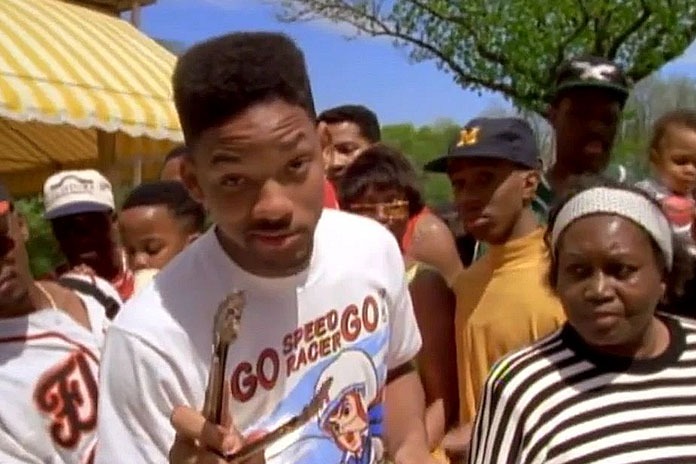
Just as you’d fight to get your song back from a thief who stole it, the 35-year rule under the Copyright Act of 1976 allows artists to “take back” a song from a label that’s had it for too long. This is particularly relevant for iconic tracks like “Summertime” by DJ Jazzy Jeff & The Fresh Prince, which consists of Jeffrey Allen Townes and Willard Carroll “Will” Smith II, respectively.
Released in May of 1991, this song quickly became a quintessential summer anthem, connecting deeply with audiences through its nostalgic and relatable lyrics that beautifully encapsulate the essence of Black summer life. It paints a vivid picture of leisurely days filled with barbeques, cruising in jeeps and block parties during those warm, carefree months.
The track’s smooth production, featuring a soulful sample from Kool & The Gang’s “Summer Madness,” combined with a laid-back flow inspired by the legendary MC, Rakim (part of the duo Eric B & Rakim), created a unique vibe that stood out amidst the heavier rap sounds of the time. The duo’s clean image and lack of profanity further broadened its appeal, allowing it to reach a diverse audience, while the immense popularity of the sitcom, The Fresh Prince of Bel-Air provided additional media synergy; the music video, showcasing a genuine family reunion, premiered during an episode of the show, maximizing exposure.
This combination of relatable content, unique sound, and strategic media placement helped “Summertime” peak at #4 on the Billboard Hot 100 and earned a Grammy Award for Best Rap Performance by a Duo or Group in 1992.
While Sony Music controls the master recording rights to the chart topper, the publishing rights are divided among several entities, including Sony/ATV, Warner-Tamerlane Publishing Corp., and Zomba Music Publishers Ltd. However, the song’s journey wasn’t entirely smooth; it faced legal challenges when Kool & The Gang filed a lawsuit over the unauthorized, heavy sampling of their track “Summer Madness.”
Reports suggested this lawsuit had an adverse effect on the profits generated by “Summertime,” but despite these hurdles, the song remains their most celebrated hit and a timeless classic cherished across generations, solidifying its place in music history.