



Close Menu
TheHub.news

    Jackie Ormes: Reframing Black Life in Ink

    By Dr. Rev Otis Moss III

    The Real Reasons Why So Many White Women Watch That Melania Documentary

    By Dr. Stacey Patton

    How Museums Are Rebuilding Black Memory

    By Veronika Lleshi

    Subscribe to Updates

    Get the latest creative news from FooBar about art, design and business.

    X (Twitter) Instagram YouTube
    X (Twitter) Instagram YouTube
    TheHub.news
    Support Our Work
    • Home
    • Our Story
      • News & Views
        • Politics
        • Injustice
        • HBCUs
        • Watch
      • Food
        • Cuisine Noir
        • soulPhoodie
      • Passport Heavy
      • Travel
      • Diaspora
      • This Day
      • Entertainment
      • History
      • Art
      • Music
    • Health
    • Money
      1. Copper2Cotton
      2. View All

      How to Fight Inflation and Win

      December 9, 2025

      August 2018 Net Worth Update

      December 9, 2025

      Dividend Update: August 2018

      December 9, 2025
      Passive Income

      Be Passive About Your $

      November 17, 2025

      Economic Empowerment Has Always Been a Part of Black History

      February 12, 2026

      How to Fight Inflation and Win

      December 9, 2025

      August 2018 Net Worth Update

      December 9, 2025

      More Blacks Needed On Corporate Boards

      December 9, 2025
    • Books
    • Business
    • Sports
      1. First and Pen
      2. View All

      Bad Bunny Gave Us All a Musical Lesson to Enjoy And Learn From

      February 12, 2026

      Brian Flores Was Right But the Issue Is Not for Black Coaches to Fix

      February 3, 2026

      Fritz Pollard Alliance Issues Statement on ICE in Minnesota

      January 28, 2026

      Where Is the Black Athlete Anger for Lane Kiffin’s “Make Baton Rouge Great” Post?

      January 28, 2026

      Bad Bunny Gave Us All a Musical Lesson to Enjoy And Learn From

      February 12, 2026

      Brian Flores Was Right But the Issue Is Not for Black Coaches to Fix

      February 3, 2026

      Sandra Idehen Named League One Volleyball’s First Commissioner

      February 2, 2026

      To Protect and Serve…I Guess?!?

      January 30, 2026
    • Tech
    • Podcasts
      1. Karen Hunter is Awesome
      2. Lurie Breaks it Down
      3. Human(ing) Well with Amber Cabral
      4. Financially Speaking
      5. In Class with Carr
      6. View All

      Jackie Ormes: Reframing Black Life in Ink

      February 14, 2026

      The Real Reasons Why So Many White Women Watch That Melania Documentary

      February 13, 2026

      How Museums Are Rebuilding Black Memory

      February 13, 2026

      How Black Potters Are Reshaping the Dining Experience Through Ceramics

      February 13, 2026

      Jackie Ormes: Reframing Black Life in Ink

      February 14, 2026

      The Real Reasons Why So Many White Women Watch That Melania Documentary

      February 13, 2026

      How Museums Are Rebuilding Black Memory

      February 13, 2026

      How Black Potters Are Reshaping the Dining Experience Through Ceramics

      February 13, 2026

      Jackie Ormes: Reframing Black Life in Ink

      February 14, 2026

      The Real Reasons Why So Many White Women Watch That Melania Documentary

      February 13, 2026

      How Museums Are Rebuilding Black Memory

      February 13, 2026

      How Black Potters Are Reshaping the Dining Experience Through Ceramics

      February 13, 2026

      Jackie Ormes: Reframing Black Life in Ink

      February 14, 2026

      The Real Reasons Why So Many White Women Watch That Melania Documentary

      February 13, 2026

      How Museums Are Rebuilding Black Memory

      February 13, 2026

      How Black Potters Are Reshaping the Dining Experience Through Ceramics

      February 13, 2026

      Jackie Ormes: Reframing Black Life in Ink

      February 14, 2026

      The Real Reasons Why So Many White Women Watch That Melania Documentary

      February 13, 2026

      How Museums Are Rebuilding Black Memory

      February 13, 2026

      How Black Potters Are Reshaping the Dining Experience Through Ceramics

      February 13, 2026

      In Class with Carr: Black History in Times of Trouble

      February 2, 2026

      The Rise of the “Righteous Whites” and the Collapse of Plausible Deniability

      January 24, 2026

      How Insurers Use Your ZIP Code and Credit Score Against You

      January 21, 2026

      In Class With Carr: New World Order

      January 19, 2026
    TheHub.news
    Featured

    What Is Polycystic Ovary Syndrome and Is There a Cure?

    By TheHub.news StaffDecember 18, 20235 Mins Read
    Share Email Copy Link
    Image credit: ShutterStock
    Share
    Facebook Twitter LinkedIn Email Copy Link Threads

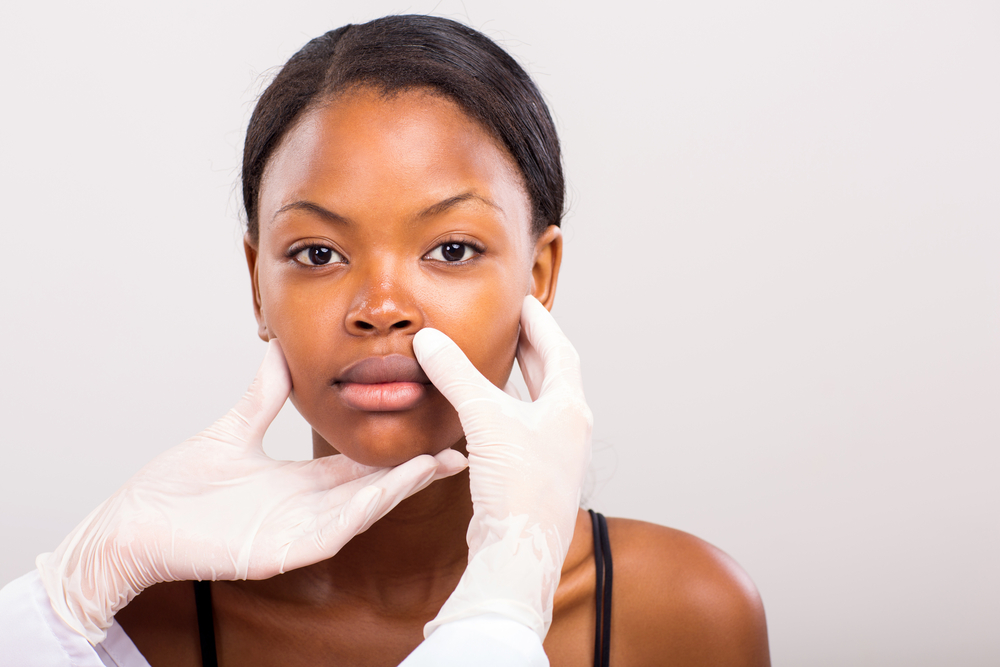
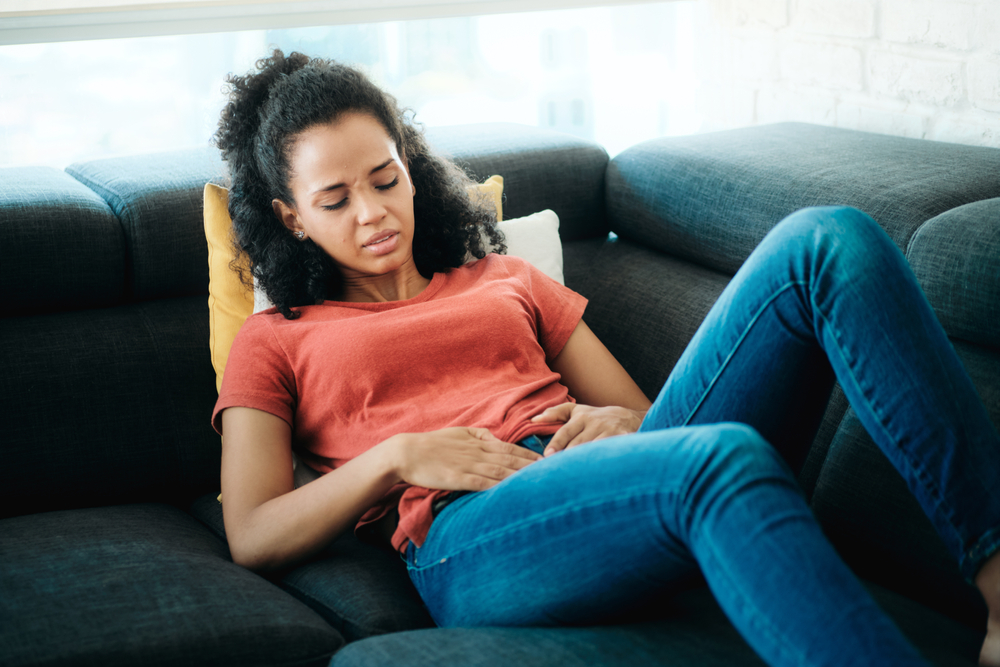
    You’re in a doctor’s consulting room, sitting on an exam table. Wearing a ceil blue patient gown, with the front slightly exposed. The lights shine down on you as your nose is filled with the smell of antibacterial soap. Your feet dangle back and forth as you wait for your results. The doctor finally walks in and tells you that you have PCOS.

    Polycystic Ovary Syndrome, known as PCOS, affects 4-20% or 1 in every 10 women of reproductive age, yet its exact cause remains unclear. According to the World Health Organization, up to 70% of affected women remain undiagnosed worldwide. Polycystic Ovary Syndrome affects women of different backgrounds.

    However, Black women are affected differently. 

    PCOS is a reproductive and metabolic health condition in which abnormal amounts of androgens or male sex hormones, such as testosterone, dehydroepiandrosterone and androstenedione are produced in a woman’s body where there are usually small amounts. Androgens are produced in the ovaries, adrenal glands and fat cells of women. The term Polycystic Ovary Syndrome refers to the several small cysts or fluid-filled sacs that form in the ovaries of most women with this condition. However, every woman with PCOS does not develop cysts. 

    Polycystic Ovary Syndrome is diagnosed through the process of ‘differential diagnosis’ in which disorders related to the symptoms are ruled out. To help form a diagnosis, healthcare providers will ask about symptoms and medical history and conduct physical exams, including a pelvic exam. Blood tests and an ultrasound will also be performed. PCOS cannot be diagnosed through a single test. Usually, a diagnosis is made if two out of three symptoms are met: the presence of polycystic ovaries in scans, high amounts of androgens and irregular or infrequent periods.

    According to a 2018 study in the International Journal of Environmental Research and Public Health, “PCOS has a very high percentage of individuals who remain undiagnosed when visiting their doctor, estimated to be as high as 75% [7,9]. This is likely due to variability of patient presentation and lack of provider knowledge.” 

    The origins of Polycystic Ovary Syndrome are unknown, yet increased levels of androgens have been understandably linked. Genetics and environmental factors also contribute to the occurrence of PCOS. In 1990, The National Institutes of Health (NIH) coined the phrase Polycystic Ovary Syndrome. Research for PCOS has continuously been underfunded, contributing to the lack of understanding, awareness and delay in diagnosis of the condition. A journal article published in 2017 by the Endocrine Society found that “PCOS, compared with RA, TB, and SLE, was relatively less funded (total mean 10-year funding was $215.12 million vs $454.39 million, $773.77 million and $609.52 million, respectively).”

    Polycystic Ovary Syndrome symptoms include infertility, irregular or infrequent periods, acne or oily skin, weight gain or trouble losing weight, hirsutism, male-pattern baldness or hair thinning, acanthosis nigricans, hyperpigmentation, skin tags, mood swings, anxiety or depression, fatigue, sleep problems, as well as cysts on ovaries and high levels of androgens. PCOS symptoms can vary depending on several factors, including genetics, race, ethnicity and environmental disparities. Certain symptoms are more common in specific ethnicities compared to others.

    Black women with PCOS are disproportionately affected as the condition affects them severely and frequently. According to 2018 research from the National Library of Medicine, Black women who have PCOS face an increased risk of metabolic syndrome and cardiovascular disease than white women. “Black adolescents and young adults with PCOS had an increased prevalence of MetSyn compared with their white counterparts (adolescents relative risk 2.65 [95% confidence interval 1.29-5.4], adults relative risk 1.44 [95% confidence interval 1.21-2.6]). After controlling for age and body mass index, Black women with PCOS had a significantly increased prevalence of low high-density lipoprotein and high glucose. The general CVD risk was significantly increased in Black adults with PCOS.” Research has also found that Black women with the condition have higher rates of hirsutism, insulin resistance and obesity. Black women who suffer from PCOS also have a lower likelihood of getting pregnant. 

    Currently, there is no cure for PCOS. However, symptoms can be managed.

    Treatments for PCOS depend on your overall health, age, severity of symptoms, and whether you plan on becoming pregnant in the future. If you don’t want to become pregnant, treatments include hormonal birth control, diabetes medications, lifestyle changes, and or medications to block androgens. However, If you do want to become pregnant, treatments include medications to cause ovulation, surgery, in vitro fertilization (IVF) and or a change in diet and activity. Smoking, insulin resistance, weight gain, chronic inflammation and stress are factors that may bring out or worsen PCOS symptoms. Women with Polycystic Ovary Syndrome may have a family history of the condition, although the role of genetics is not clear. 

    Several Black women with PCOS may feel alone and unseen navigating life with such a condition. Black women already have it hard and having Polycystic Ovary Syndrome doesn’t make life any easier. If you are a woman with PCOS, specifically a Black woman, you are not alone.

    By Akira Jordan

    Akira Jordan is a senior at Hunter College, where she is majoring in Media Studies with a
    concentration in Media Analysis and Criticism. Akira is also a rising professional in public
    relations, journalism, radio, music, and television production within the media and
    communications industry. She hopes to be a first-generation entrepreneur. Akira is an avid hair enthusiast and lover of the Arts.

    TheHub.news Staff
    • Website
    • Facebook
    • X (Twitter)

    TheHub.news is a storytelling and news platform committed to telling our stories through our lens.With unapologetic facts at the center, we document the lived reality of our experience globally—our progress, our challenges, and our impact—without distortion, dilution, or apology.

    Related Stories

    Iron Deficiency in Women, Particularly Black Women, Not Resolved in Proper Time Frame

    September 4, 2024

    Wellness Wednesday: This Hated Plant May Be Exactly What Your Body Needs

    May 29, 2024

    Michael Jordan Opens New Health Clinic in Wilmington, NC

    May 15, 2024

    Patients From High-segregation Neighborhoods Less Likely to Recieve Kidney Transplants

    April 10, 2024

    Nearly Half of Healthcare Workers Report They’ve Witnessed Discrimination Toward Patients

    February 21, 2024

    Best Black-Owned Meditation Apps For When You Just Need a Moment to Breathe

    February 7, 2024
    Recent Posts
    • Jackie Ormes: Reframing Black Life in Ink
    • The Real Reasons Why So Many White Women Watch That Melania Documentary
    • How Museums Are Rebuilding Black Memory
    • How Black Potters Are Reshaping the Dining Experience Through Ceramics
    • Floyd Norman: Breaking Barriers and Drawing a Way Forward at Disney

    Jackie Ormes: Reframing Black Life in Ink

    By Dr. Rev Otis Moss III

    The Real Reasons Why So Many White Women Watch That Melania Documentary

    By Dr. Stacey Patton

    How Museums Are Rebuilding Black Memory

    By Veronika Lleshi

    How Black Potters Are Reshaping the Dining Experience Through Ceramics

    By Cuisine Noir

    Subscribe to Updates

    A free newsletter delivering stories that matter straight to your inbox.

    About
    About

    TheHub.news is a storytelling and news platform committed to telling our stories through our lens.With unapologetic facts at the center, we document the lived reality of our experience globally—our progress, our challenges, and our impact—without distortion, dilution, or apology.

    X (Twitter) Instagram YouTube

    Jackie Ormes: Reframing Black Life in Ink

    By Dr. Rev Otis Moss III

    The Real Reasons Why So Many White Women Watch That Melania Documentary

    By Dr. Stacey Patton

    How Museums Are Rebuilding Black Memory

    By Veronika Lleshi

    How Black Potters Are Reshaping the Dining Experience Through Ceramics

    By Cuisine Noir

    Subscribe to Updates

    A free newsletter delivering stories that matter straight to your inbox.

    © 2026 TheHub.news A 501(c)(3) tax-exempt organization.

    Type above and press Enter to search. Press Esc to cancel.