




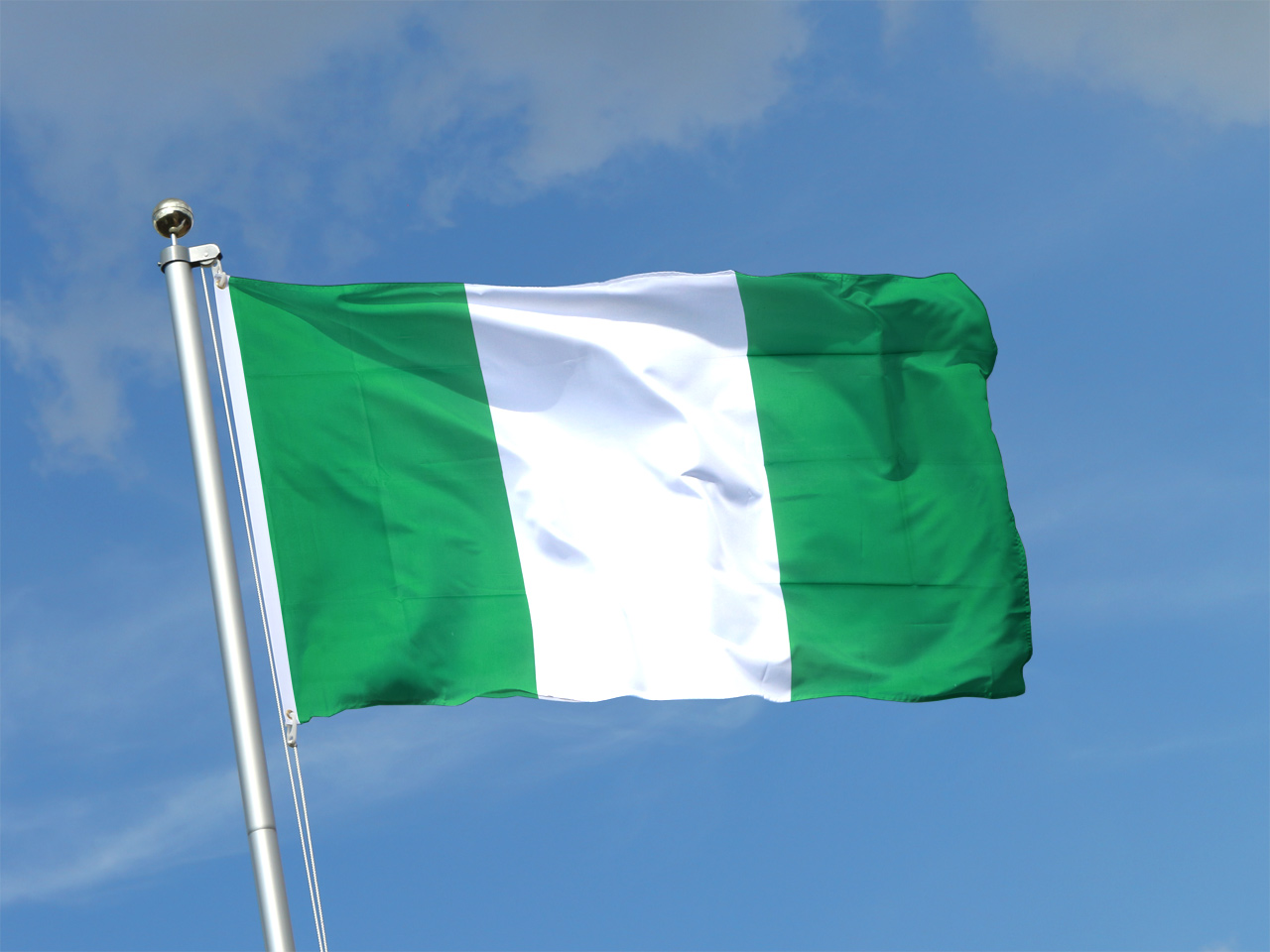
The Federal Republic of Nigeria, currently home to more than 200 million people, gained independence from Great Britain on October 1, 1960. Nigeria is a West African country that has hundreds of ethnicities, languages and butterfly species.
Prior to British rule, the area was controlled by the indigenous people and tribes such as the Hausa-Fulani, the Yoruba, and the Igbo. Modern Nigeria dates back to the early 1900s when the British Protectorates of Northern and Southern Nigeria were joined together.
British colonial influence became more concentrated during the first two decades of the 1900s. The Colony and Protectorate of Nigeria was established in 1914 under the governorship of Sir Frederick Lugard. Separate administrative units were created to allow an “indirect rule” style of government. The British only interacted with some of the indigenous rulers and institutions and contact with the rest of the population was limited.
After an economic depression, unemployment and a growing nationalist movement, there was much unrest with colonial rule. Nationalists called for an end to taxation and the establishment of self-government. World War II caused the movement to gain more momentum as Nigerian soldiers were getting exposed to Allied propaganda that encouraged liberty, freedom and equality.
Concessions by the colonial government made Nigerian independence obtainable. In 1953, members of competing political parties came together at a British-sponsored conference in London to determine the constitution for the developing independent nation.
Following several years of constitutional reforms and peaceful transitions of power, Nigeria finally gained independence. Alhaji Abubakar Tafawa Balewa was elected prime minister with the Northern People’s Party governing in coalition with the Nigerian National Council.
Nnamdi Azikiwe was elected president after the declaration of the Federal Republic of Nigeria in 1963. Political protest and multiple military coups have taken place since Nigeria gained independence. The Nigerian voters elected Muhammadu Buhari’s, a former military ruler, to serve as the nation’s president and the country still has growing challenges to face.

He was the first opposition candidate in Nigerian history to win the presidential election. Buhari was sworn into office for a second term as Nigeria’s president in May of 2019. His campaign focused on combating security threats and removing corruption from the country.