





On May 14, 1881, Mary Jane Seacole, the Jamaican-born nurse and entrepreneur who earned admiration from British soldiers during the Crimean War, sadly passed away in London at 75.
Seacole is recognized as one of the most important Black medical figures of the 19th century.
Born Mary Jane Grant in Kingston, Jamaica, in 1805, Seacole grew up in a household shaped by medicine and military life. Her mother, a respected healer known locally as a “doctress,” operated a boarding house that cared for sick and recovering British officers. There, Seacole learned practical nursing skills, herbal treatments and sanitation practices that would later define her work during epidemics and war.
Long before she arrived in Crimea, Seacole had treated patients throughout the Caribbean and Central America. During cholera outbreaks in Panama in the early 1850s, she became known for caring for both wealthy travelers and poor laborers, often without payment. Her approach emphasized hydration, cleanliness and bedside care at a time when many conventional treatments remained ineffective.
When the Crimean War began, Seacole traveled to England and volunteered to join the British nursing corps. Despite years of medical experience, she was repeatedly rejected by officials organizing care for wounded soldiers. In her memoir, she later questioned whether racial prejudice contributed to those refusals.
Undeterred, Seacole financed her own journey to the war zone in 1855. Near Balaclava, she opened the British Hotel, a combination restaurant, supply store and recovery station for officers and troops. From there, she also traveled to the battlefield to assist wounded soldiers, carrying food, medicine and supplies into dangerous conditions. Soldiers came to know her as “Mother Seacole.”

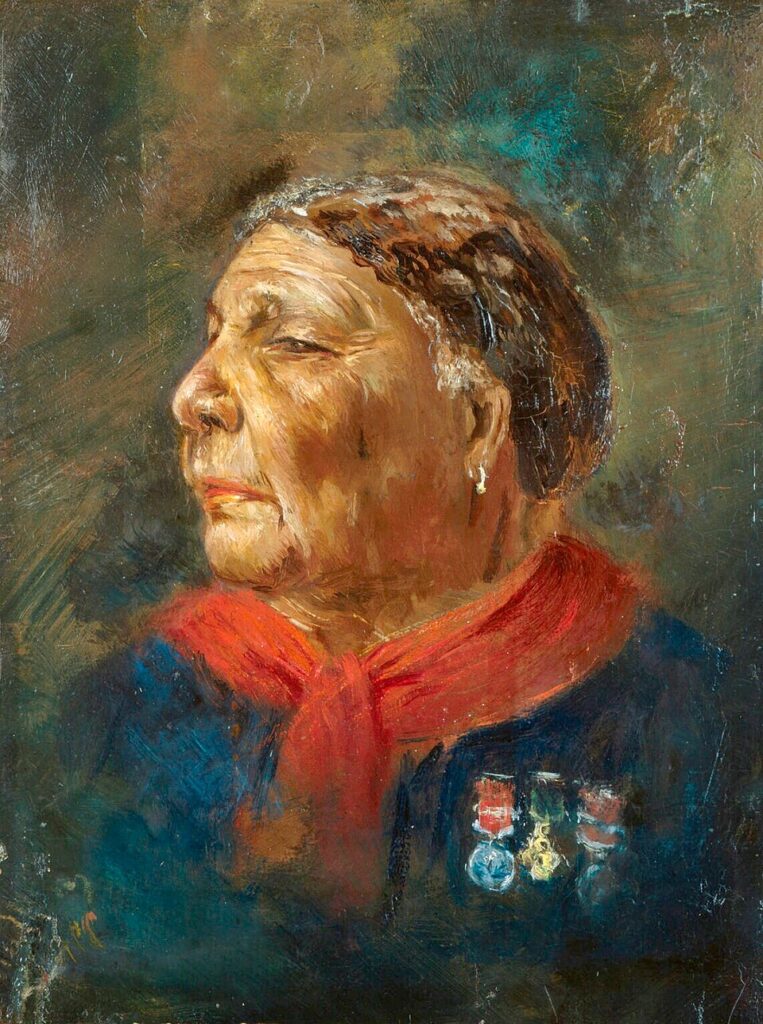
William Howard Russell, the influential war correspondent for The Times of London, praised her work during the conflict, writing that few surgeons possessed “a more tender or skilful hand” in treating the injured.
After the war, Seacole returned to England financially ruined. Public fundraising campaigns organized by military supporters helped stabilize her finances, and in 1857, she published her memoir, Wonderful Adventures of Mrs. Seacole in Many Lands. The book is widely regarded as the first autobiography published in Britain by a Black woman.
Seacole died in Paddington, London, on May 14, 1881. For much of the following century, her achievements received little public recognition outside Jamaica.
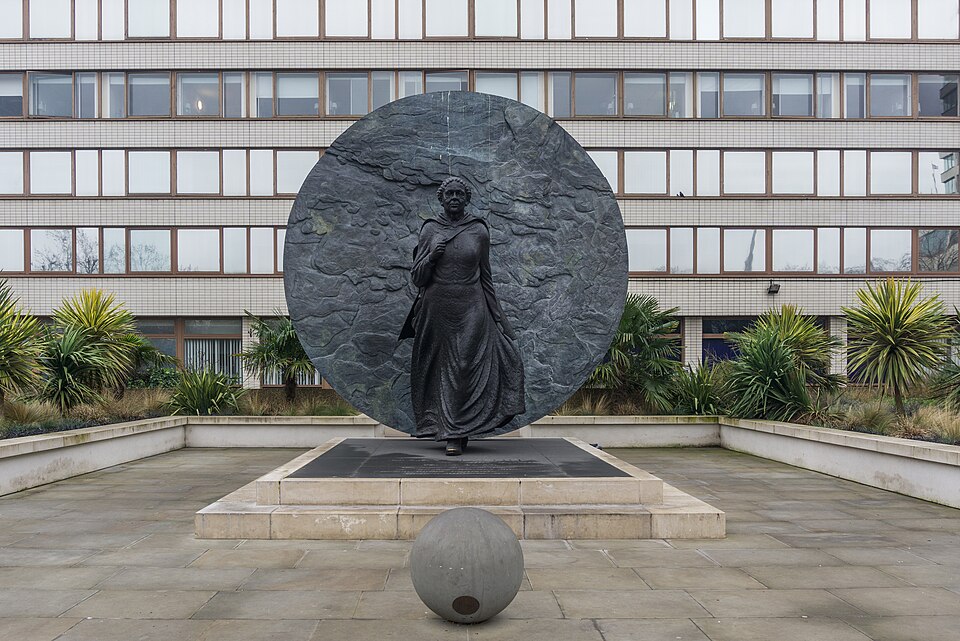
Today, hospitals, nursing programs and public memorials in Britain and Jamaica bear her name. In 2016, a statue honoring her was unveiled outside St. Thomas’ Hospital in London.