





Time can seduce us into a quiet trance of foreverness. It stretches itself so subtly that years often feel distant while they are happening, until one day age appears less like an idea and more like an arrival. That is how it felt when 50 showed up for me. Fifty had always belonged to someone older in my imagination, some later chapter that seemed far enough away to be observed rather than inhabited. Yet when it arrived, it did not come with ceremony. It came quietly, almost as if time had been walking beside me without announcing how far we had already traveled. What made it striking was not simply the number, but the realization that the body had already been speaking in ways I had not fully interpreted.
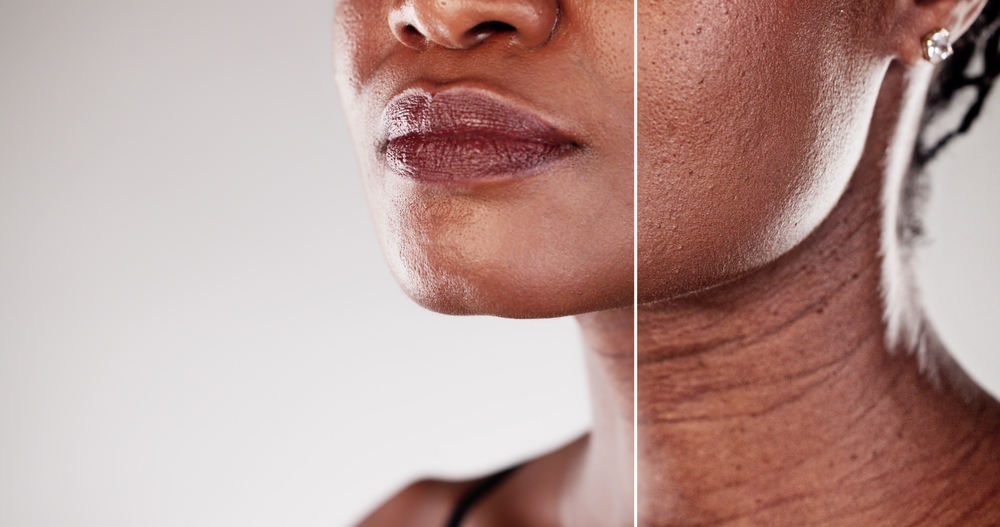
A person can still feel inwardly familiar while the body has already begun making small adjustments that do not announce themselves loudly. The shift often arrives not first in the face, but in quieter places: in how long the body takes to recover after exertion, in how the knees answer stairs, in how the back responds after sitting too long, and in how sleep no longer restores with the same generosity it once did. Age often begins its work in function before appearance, in subtle negotiations before visible declarations. The mirror often reports age later than the nervous system does. Many of us imagine aging as something that will one day suddenly appear, when in truth the body often begins speaking long before appearance confirms anything at all.
For me, one of the first places I noticed it was movement. I became aware that my jumping ability had lessened, not in some dramatic athletic sense, but in ordinary movement. Jumping over a puddle, stepping lightly over a medium-sized obstacle, moving with the kind of quick responsiveness once taken for granted now requires more awareness than before. Not because the body had failed, but because it was quietly reminding me that movement must be kept alive if it is to remain natural. That realization did not feel discouraging. It felt instructive. It made me want to consciously and safely practice what keeps the body responsive, not for spectacle, but for ordinary usefulness, because remaining capable in simple movement is itself a form of freedom.
Recovery has perhaps been one of the clearest conversations age has initiated. Last year, some of my exercise routines left me unusually sore, sore in a way that lingered far longer than I expected. What once might have passed in a day or two sometimes felt as though it was taking nearly forever to settle. In younger years, that bounce back was almost invisible because it was assumed. The body repaired itself so reliably that recovery was rarely noticed at all. By midlife, the body stops forgiving what youth barely noticed. Protein intake, mineral sufficiency, hydration and reducing inflammatory foods can significantly influence how quickly soreness settles, while proper sleep remains one of the body’s most powerful repair mechanisms because deep sleep is where tissue recovery and hormonal restoration are most active. What once happened automatically now often depends on whether the body is truly supported.
This does not always signal disease. Often, it reflects biological shifts already underway beneath ordinary life: changes in muscle preservation, slower collagen repair, altered hormone patterns and a gradual reduction in mitochondrial efficiency, the tiny structures inside cells responsible for producing energy. Researchers have repeatedly shown that after the age of thirty, adults can lose measurable muscle mass each decade if nothing actively interrupts that decline, a process known as sarcopenia, and muscle itself has emerged as one of the strongest protectors against frailty, metabolic instability, and accelerated aging.
One of the clearest hidden markers of aging is grip strength. Physicians and longevity researchers increasingly regard hand strength as one of the most revealing indicators of how the body is aging overall. A major international study published in The Lancet found that grip strength predicted cardiovascular mortality and all-cause mortality more consistently than systolic blood pressure in many populations. Another large study in the British Medical Journal linked lower grip strength to reduced functional independence and poorer long-term health outcomes. It sounds almost too simple to matter, yet the hand often reveals what the body is quietly losing elsewhere: strength, nerve responsiveness, muscular reserve, and internal confidence in movement. There is truth in the hand one is dealt. The hand itself often tells part of the story of how the body is managing time. Dexterity, firmness, responsiveness, even how confidently one opens jars, carries weight, writes, grips a rail, or reaches for something quickly can quietly reveal health beyond the hand itself.
Balance often reveals age before people consciously acknowledge it. Standing steadily while putting on clothing, stepping down quickly from a curb, turning suddenly after sitting for a while, these small movements quietly measure neurological youth. Balance is not merely muscular; it is the conversation between the inner ear, the eyes, the nerves, the feet, and the brain responding in fractions of a second. What appears effortless in youth depends on systems working with remarkable precision. As those systems are less challenged, less trained, or quietly weakened by inactivity, balance begins to fade long before a person would ever describe themselves as old. Physicians increasingly view balance as one of the hidden markers of future independence because it often predicts how confidently the body still communicates with itself.
Sleep also changes in ways many people struggle to define. It is not only that some people sleep fewer hours as they age; it is that sleep often becomes lighter, more fragmented, and less restorative. A person may spend enough time in bed and still wake with a body that feels as though it has completed only part of the night’s repair. Deep sleep is where much of the body’s renewal occurs: tissue recovery, hormonal regulation, memory consolidation, and immune adjustment all rely heavily on those deeper stages. As stress accumulates, light exposure stretches later into the night, and nervous systems remain activated longer than they once did, sleep loses some of its healing depth. This is why many people first experience aging not as pain, but as a subtle loss of restoration, morning arriving without the full gift of recovery it once carried.
Yet aging does not move evenly, and that remains one of the most hopeful truths in the science of human longevity. The body often preserves what it is repeatedly asked to preserve. Muscles that are challenged remain more responsive. Lungs used deeply retain greater efficiency. Joints that continue moving often resist stiffness longer than those left idle. Even the brain responds to demand, building new pathways when exposed to learning, novelty and meaningful engagement. Earlier generations often aged through labor; many modern bodies age through prolonged stillness. This is why some people in later decades move with surprising ease while others feel older than their years much earlier. Chronological age continues without negotiation, but biological age often listens carefully to daily habits, repeated movements, stress patterns and whether the body still receives regular instruction to remain capable.
Modern research continues to confirm that one of the strongest ways to keep the body younger is also one of the least glamorous: preserving muscle. Not for appearance, but because muscle behaves almost like an organ of protection. It helps regulate blood sugar, supports posture, protects joints, stabilizes hormones and provides the body with reserves during illness or injury. By midlife, adults can lose roughly 1% of muscle strength each year if it is not actively maintained. Even modest resistance, lifting, carrying, walking uphill, rising from the floor with control, stretching the ankles and keeping the body familiar with effort sends a message that strength should remain.

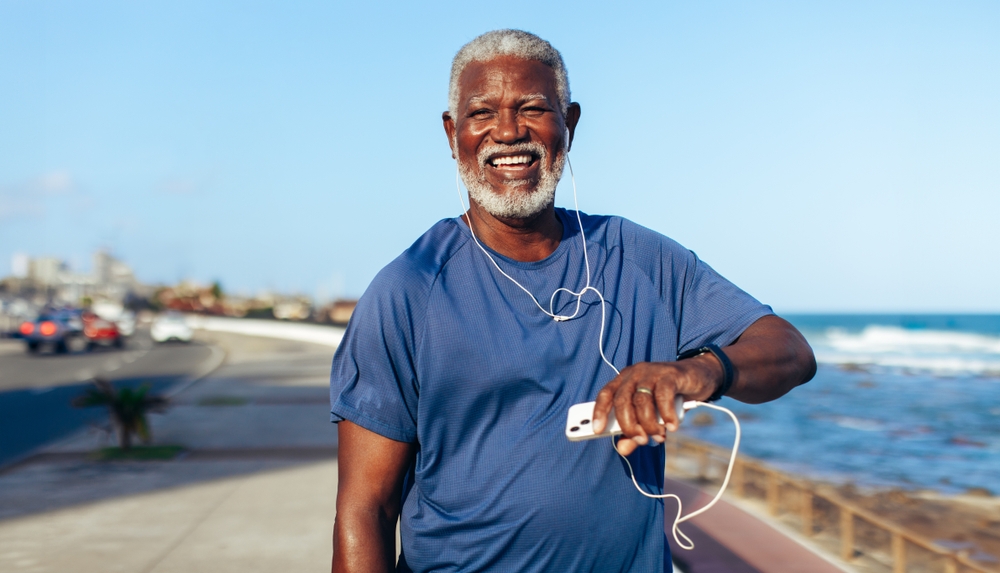
One of the less visible accelerators of aging is not simply time, but the body’s prolonged exposure to low-grade inflammation and constant internal urgency. Modern life keeps many people in a state of subtle physiological readiness: breathing too shallowly, eating too quickly, sleeping too lightly, moving too little, and carrying stress long after the moment that caused it has passed. Over time, this quiet strain alters how the body repairs itself. Inflammation that is not dramatic enough to be called an illness still affects joints, blood vessels, skin, digestion and energy. Even breathing, something so ordinary it escapes attention, can either calm the body or quietly age it. A person who breathes shallowly through the chest keeps the nervous system more alert, while deeper nasal breathing helps restore rhythms that support sleep, circulation and recovery. Remaining younger is not only about carefully adding years, but also about reducing the hidden burdens that prompt the body to age faster than it must.
There is another truth that deserves to sit beside every honest conversation about aging: aging itself is a luxury. It is a gift many have never received. Many were taken in youth, in strength, in unfinished years they assumed would continue. To grow older is not only to notice change, but to recognize that within time itself, something has been granted not granted to all. That realization changes the emotional tone of aging. It becomes harder to speak of every ache only as a complaint when years themselves are evidence of having been allowed to remain. Gratitude does not erase the body’s changes, but it changes how those changes are carried. To age with awareness is also to age with thanks, and that gratitude can take visible form through exercise, cleaner habits, better choices, and continuing to show up for the body with intention.
Perhaps that is why some people seem to carry their years lightly while others feel older long before they expected to. The difference is often not found in appearance alone, but in what the body has repeatedly been given: movement, challenge, nourishment, rest, calm, sunlight, strength and enough consistency to remember how to repair itself. The body does not resist time entirely, nor should it. But it often responds remarkably to being treated as something still worth preserving, still worth strengthening, still worth listening to.
Age may arrive in years without permission, but how deeply it settles into the body is often shaped by what we continue to offer it while we are here.