

This week, we take a deeper dive into a topic that affects everyone in the music world: copyrights.
Whenever money is earned from music – whether it’s through royalties, streaming payments or licensing – there is a copyright involved and someone who owns it. This means that each time your song is played on a streaming service, is included in a movie or is sampled by another artist, there’s a financial transaction tied to your creative work.
Understanding this concept is essential for any musician or songwriter looking to benefit from their work. Copyrights provide legal protections that give you exclusive rights to your music, allowing you to profit from your effort and creativity. If you’re not aware of this, you could lose control over your creations and forfeit potential income.
In our Sonic Sovereignty series, we’re emphasizing the importance of owning and protecting your own work. This is particularly timely, as a wave of rap and R&B tracks that were released in 1991 can now be fully legally reclaimed starting this year, thanks to the Copyright Act of 1976.
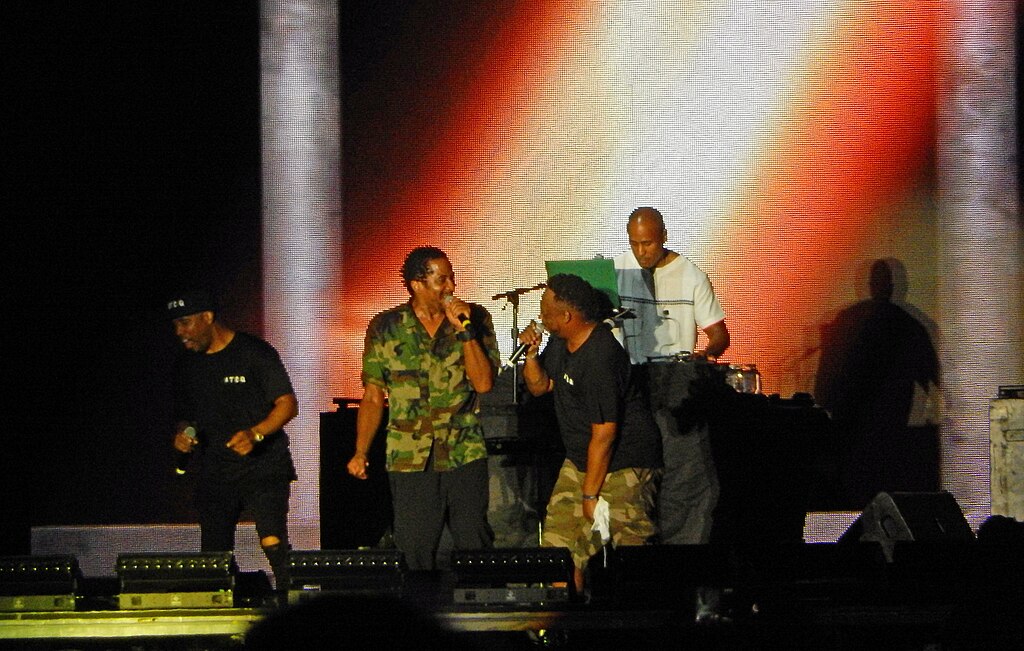
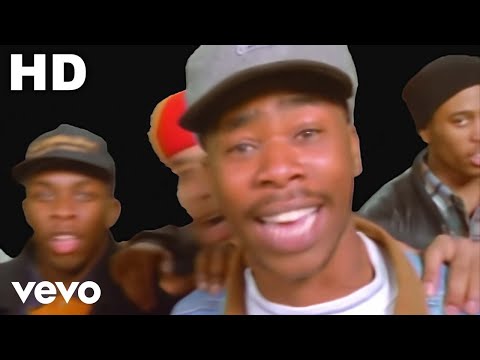
A striking example of why this principle matters is the famous song Scenario by A Tribe Called Quest, featuring Leaders of the New School. It highlights the importance of artists knowing their rights and the financial implications of their music.
Unveiled in 1991 on A Tribe Called Quest’s sophomore album, Low End Theory, under Jive Records (now part of Sony Music Entertainment/Legacy Recordings), Scenario changed the hip-hop scene of the 1990s by building on the classic “posse cut” style. The song was written by members from both groups, including Kamaal Fareed (Q-Tip), the late Malik Taylor (Phife Dawg), Ali Shaheed Muhammad, Trevor Smith (Busta Rhymes), Bryan Higgins (Charlie Brown) and James Jackson (Dinco D). A Tribe Called Quest also handled the production and arrangement.
This incredible collaboration showed how energetic and competitive verses can highlight the teamwork among artists. The song also became a launchpad for Busta Rhymes whose unforgettable opening line, “Rawr, rawr, like a dungeon dragon,” propelled him into the spotlight and solidified his reputation as a formidable artist. The track’s infectious energy and fun lyrics provided a refreshing contrast from the more intense rap that was popular at the time, making it a key part of 90s hip-hop culture.
The importance of Scenario lies not just in its catchy beats and clever lyrics but also in its role within the Native Tongues movement, which advocated for positivity and artistic expression in the culture. By blending jazz samples with technically proficient rapping, A Tribe Called Quest proved that fun and lyrical skill could coexist beautifully.
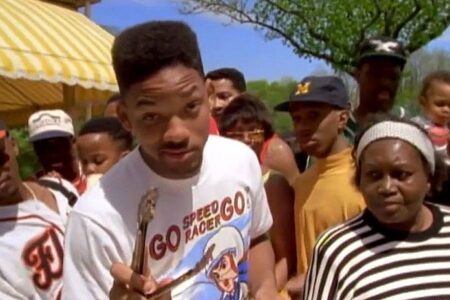
The influence of the song transcended mere sound; its music video became a visual emblem of early ’90s culture as well, encapsulating the fashion, style and lively spirit of that era. The result? Scenario stands as a prime example of hip-hop’s ability to connect alternative and mainstream worlds, leaving an enduring legacy that continues to motivate contemporary artists today.
Owning the copyright to this musical treasure gives the legal right to control how its lyrics, melody or sound recording – is used, copied, shared and performed. It allows users to earn money from the work through major licensing avenues while also protecting it from being used without permission.
Jive Records retained the master recording rights and publishing ownership of Scenario. However, this protection, and its benefits, is deserved by the rightful owners: the artists. Taking back their rights means having control and earning money from a song that is considered one of the most important in hip-hop history.
If you’re serious about making money from your music, it’s important to familiarize yourself with copyright laws. Here are some helpful tips from the experts at Soundcharts, a tool that gives you the latest information about the music industry. It gathers data from streaming services, social media and radio stations and presents everything on a simple dashboard that’s easy to read.
When are copyrights created?
In simple terms, copyright protection starts when music is recorded in some form. However, the details can vary based on the type of music copyright.
For songs, copyright is automatically granted when the music or lyrics are written down, whether it’s typed out, written on paper, or even jotted down in a “tweet” or on a napkin.
For master recordings, the US Copyright Office states that copyright begins as soon as the sounds are captured in a way that allows them to be heard or shared. This can be in formats like digital tracks, CDs, tapes, or others.
Although copyright is established right away, you might need to take additional steps to enforce it, depending on where you live. In Europe, you don’t need to register your copyright to protect it, but in the US, you must register with the Copyright Office to gain full copyright protections.

Special Rights That Copyright Owners Have
Royalties come from allowing other people to use these special rights. These rights help music professionals earn money and protect their original creations.
Copy the protected material.
Copyright owners have the first right to make copies of their work, whether by producing CDs or vinyl records, or by offering their music on streaming platforms. Each time someone clicks play on a song in a streaming service, it activates a copy of both the sound recording and the music itself.
This means that streaming services need to get permission from copyright owners to use any songs in their library. The owners of the sound recordings earn money through streaming payments, while those who own the music compositions receive mechanical royalties.
Create new works that are based on the original copyrighted work.
Only the person who owns the copyright to a musical piece can legally make a new version of it or allow someone else to do so. A new version, known as a derivative work, includes significant parts of the original copyrighted piece.
If someone else wants to create a derivative work from a song or recording, they need to get either a synchronization license for the song itself or a master use license for the recording. Derivative works often include music combined with visuals, like in ads, TV shows, movies, and video games.
However, making derivative musical works, such as remixes or cover songs, is a bit more complex. To be considered derivative, these works must include some elements from the original piece to create a new, separate copyrighted work. For instance, remixes and samples of a song require both a master use license and a sync license because they use parts of the original song and recording to make a new work.
Typically, sync and master use licenses are negotiated directly between the copyright owners and the parties wanting to use the music, or their representatives.
Share copies of the protected work with the public.
Copyright not only protects an author’s ability to make new copies of their music or recordings but also allows copyright holders or those they authorize to sell these copies to the public.
Today, when it comes to streaming music, the right to distribute sound recordings is linked to the payments made from those streams. Meanwhile, compositions are only distributed when the actual music itself is sold, like in the case of sheet music sales.
Carry out the work in a public setting. Copyright gives the creator the exclusive right to publicly perform their work. This doesn’t mean that a person has to physically “perform” it; any audio broadcast in a public area counts. This includes live shows, performances, music played in places like bars or clubs, radio and TV broadcasts, and even streaming on platforms like Spotify. Performance rights are a major source of income for songwriters and publishers, but whether recording artists receive performance royalties can vary by country.
In many places around the world, performance rights apply to both the owners of the music composition and the holders of the recording copyright (the performance rights for recording artists are also called “neighbouring rights” or “related rights”). Neighbouring rights are available for all performances in countries that are part of the Rome Convention of 1961, as long as the recording artist lives in one of those countries.
However, the US is not part of that agreement, which has two important effects. First, public performances in the US do not earn royalties for the owners of the recordings. Second, recordings made by US residents do not earn neighbouring royalties, even if they are played on the radio in the UK.