



You just dropped the hardest beat of your life, and it’s an absolute banger!
It’s got a killer two-second vocal chop straight from a forgotten 70s soul record, layered perfectly over a thunderous bassline that shakes the room. The vibe is pure nostalgia, yet it feels fresh and modern, like a retro revival with a serious twist.
It’s going viral on TikTok. And Spotify just added it to a top playlist.
Life is good.
But then… an email arrives from a lawyer named Gerald. And suddenly, you owe 100% of your royalties to a guy named Larry who produced the original song in 1974.
Oops.
Clearing a sample is crucial if you want to legally use copyrighted music, and it can help you dodge a whole world of trouble, like lawsuits and hefty fines for copyright infringement. It can also help you avoid having your music yanked from streaming platforms, which can seriously hurt your career.
But you also aren’t just covering your own a**; it’s also about honoring the original artist’s rights and contributions. By doing the right thing, you’re ensuring that the actual creator gets their fair share of royalties and recognition for their work, particularly in an industry that thrives on creativity and collaboration. This respect not only helps maintain their professional reputation but also fosters a culture of mutual support among musicians.
So before you turn your bedroom blockbuster into a courtroom drama, let’s talk about why clearing your samples isn’t just ‘polite’ – it’s survival.”
Here’s some top-tier advice from the experts at IGroove, a music distribution and artist services platform that’s all about empowering you and your label.
How to Flip a Sample Without Losing Your House
When it comes to legally sampling a song, it’s important to get what’s called “sample clearance.” This means you need to score written permission from both the copyright owner of the master recording – typically the record label – and the owner of the underlying composition, who is usually the publisher or songwriter. This process can feel a bit like navigating a maze because it involves negotiating not just upfront fees but also how royalties will be split down the line, making sure everyone involved is on the same page and feels compensated for their work.
That said, you’ll need two separate licenses: one for the recording itself (the master) and another for the underlying composition (publishing). Simply clearing one side isn’t enough; you need permission from both parties. If you skip this step and use a sample without the necessary clearances, you could be setting yourself up for an onslaught of lawsuits and injunctions, even losing out on royalties.
Once you’ve pinpointed the key players, it’s time to reach out and request permission, clearly outlining how you plan to use the sample. This is where the magic of negotiation comes into play; be prepared to discuss terms and agree on a fee and a royalty percentage, which can range anywhere from 10% to over 50%, depending on the leverage of the rights holders and the potential impact of your project.
Finally, don’t forget to get everything in writing! A signed licensing agreement is critical before you release your music so you’re legally covered and respecting the original creators’ rights.
Know the “Blurred Lines” Lesson: ‘Short Enough’ Won’t Cut it
Remember when Pharrell Williams and Robin Thicke paid millions just for copying the vibe of that Marvin Gaye song?
It wasn’t even a direct sample!
If they got sued for a “feeling” what do you think is going to happen when you directly sample that snippet of an oldie-but-goodie hit?
There is no such thing as a “short enough” sample that doesn’t need clearance. The ‘2-second rule’ isn’t just a myth, it’s a legal trap. Even short clips require permission.
If you think you might need some extra help, it’s worth checking out pre-approved sample platforms like Tracklib or diving into royalty-free sample libraries. These options offer a wide array of sounds and loops that can enhance your tracks while keeping everything above board.
The Rise of Sampling and the Fall of Uncleared Tracks
Let’s be honest: 90s music just hit ‘different’.
But a huge part of that magic was the borrowing.
From rap to R&B, the decade was the peak of sampling culture – a time when the best producers were part music archeologists and part sound engineers.
And they chopped, looped and flipped their way into music history.
In those days, sampling a song was the perfect storm of technological advancement, the burgeoning evolution of hip-hop and a desire to connect with past musical eras. Often regarded as the “golden age” of sampling, the 90s was a time when producers were eager to honor, reinterpret and recontextualize the rich sounds of funk, soul and jazz records into new, innovative tracks.
Digital samplers like the Akai MPC series and E-mu SP-1200 allowed artists to easily blend, split and manipulate audio. These devices offered better memory and pitch control, enabling producers to craft complex, layered sounds that pushed creative boundaries. Sampling also became foundational to hip-hop culture because it was rooted in the ingenuity of African and Latinx artists who repurposed existing records to create captivating sound collages that breathed new life into older music. This practice of “crate-digging” emerged as producers scoured vinyl records for forgotten tunes, paying homage to their musical heroes from the 1970s and 80s while ensuring that this history resonated with a new generation.
For many independent 90s rap and R&B producers specifically, sampling was also a cost-effective way to create professional-sounding beats without the need for a full band, making it accessible to those with limited resources. It allowed for the reframing of familiar tunes, giving them a gritty new energy that resonated with listeners sentimentally.
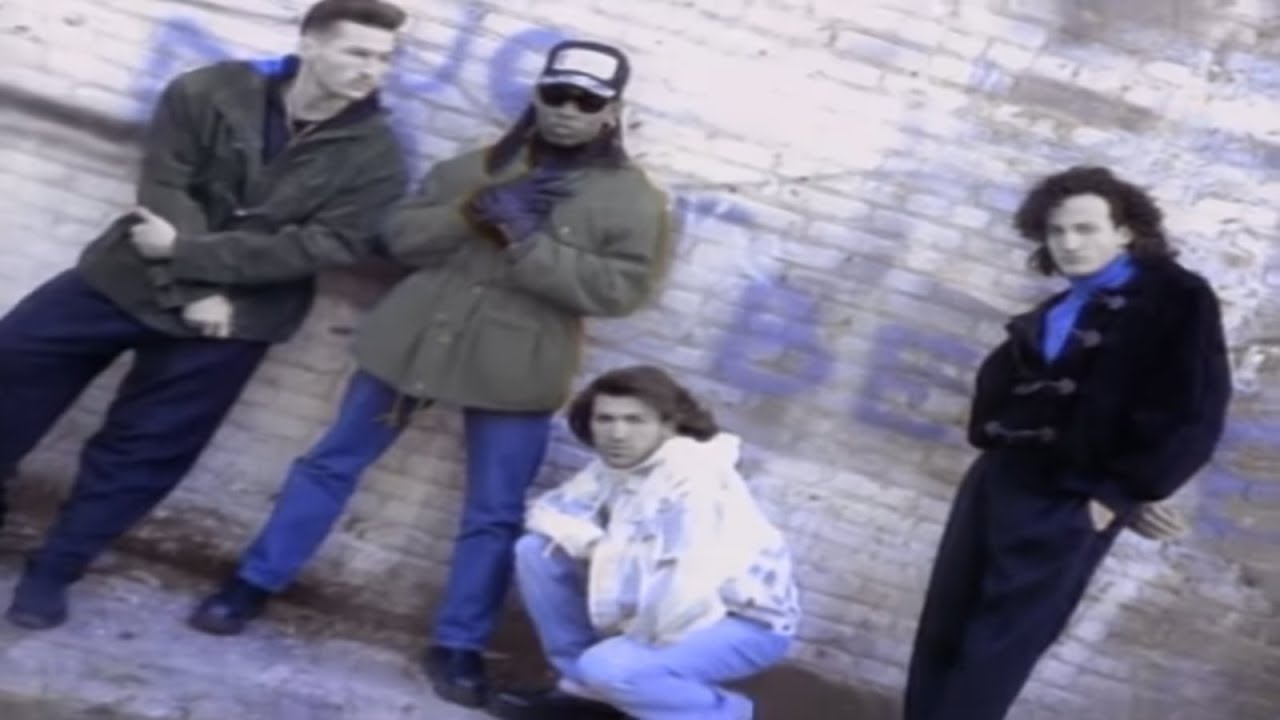
However, the “use first, worry later” attitude toward sampling soon led to significant legal battles, as exemplified by the high-profile lawsuit that surrounded the hit record “I Wanna Sex You Up” performed by R&B group Color Me Badd. It shows the complicated connection between creativity and copyright as music continues to change.

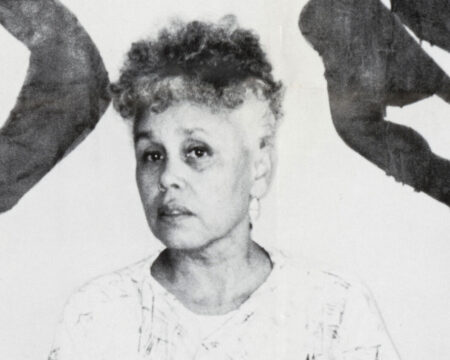
“I Wanna Sex You Up” became a defining hit of 1991, thanks to its irresistible fusion of New Jack Swing, R&B, and pop elements, all wrapped up in smooth four-part harmonies of its members Bryan Abrams, Mark Calderon, Sam Watters and Kevin Thornton, along with bold, provocative lyrics that made a splash on the charts. Prominently featured on the New Jack City film’s soundtrack, an album that dominated the R&B charts, the song received extensive radio play, propelling it into the pop culture zeitgeist of the ’90s. Its production cleverly samples loops from Slick Rick’s “La Di Da Di” and Betty Wright’s “Tonight’s The Night,” creating an instantly catchy hook that resonated deeply with listeners.
Color Me Badd masterfully bridged the edgy street soundscapes of the era with a pop-friendly vibe, and their unique doo-wop-meets-hip-hop style greatly contributed to why “I Wanna Sex You Up” became a staple at parties and in car stereos across the nation. The audacity of its title and lyrics sparked immediate attention, although some radio stations opted for a “clean” version titled “I Wanna Love You Up” to appeal to broader audiences. Its polished music video showcased the band’s stylish image, tapping into the MTV boom of the time.
Initially, the song faced limited backing from their label, but overwhelming listener demand and relentless radio play thrust it to extraordinary success, peaking at number 2 on the Billboard Hot 100 for four consecutive weeks and clinching the top spot on the Billboard Hot R&B Singles chart, ultimately achieving Platinum certification in the U.S. with over one million copies sold. While it also found international acclaim, topping charts in the UK and New Zealand, today, it stands as one of the most notable #2 hits in Billboard history, a testament to its catchy allure and lasting cultural impact.
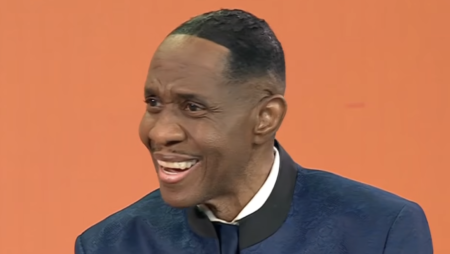
“I Wanna Sex You Up” was mainly created by Elliot Straite, better known as Dr. Freeze, a prominent Black American songwriter, musician and record producer who has been active since the 1990s. He played a key role in developing the New Jack Swing genre and is famous for producing hits like “Poison” and “She’s Dope!” for Bell Biv DeVoe, as well as collaborating with Michael Jackson on songs like “Break of Dawn.”
Straite makes money from “I Wanna Sex You Up” through royalties as the producer and songwriter. This includes earnings from streaming, radio play, and its inclusion in the New Jack City movie soundtrack. However, his income has been affected by a lawsuit where Wright received 35% of the royalties because her song “Tonight Is the Night” was sampled without permission.
The court decided in Wright’s favor after a lawsuit in 1992, awarding her royalties for the unauthorized use of her 1970s hit.
As we’ve been diving into the nuances of the Copyright Act of 1976 in this Sonic Sovereignty series, it’s intriguing to consider the implications of songs like “I Wanna Sex You Up,” which were released in 1991. And you might think that this means Straite could swoop in and claim ownership, but here’s where things get tricky.

The copyright for this recording and its artwork is owned by WEA International Inc., (previously known as Warner Elektra Atlantic), but given the legal circumstances surrounding the song, it would be difficult for Straite to pursue ownership, especially since there were legal disputes right after the song hit the airwaves.
As a producer, he likely worked under a “work-for-hire” agreement, meaning the label holds the copyright instead of him. Still, according to Copyright.gov, the law typically protects the original authors, which includes Wright due to her successful lawsuit. But it usually does not apply to “works-for-hire.”
Since the song samples another artist’s work and the legal landscape being what it is, it is very unlikely that a court would grant complete ownership to a producer who used that sample without permission.