
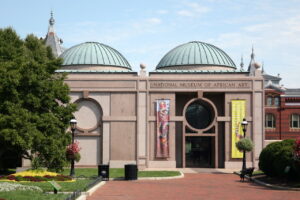



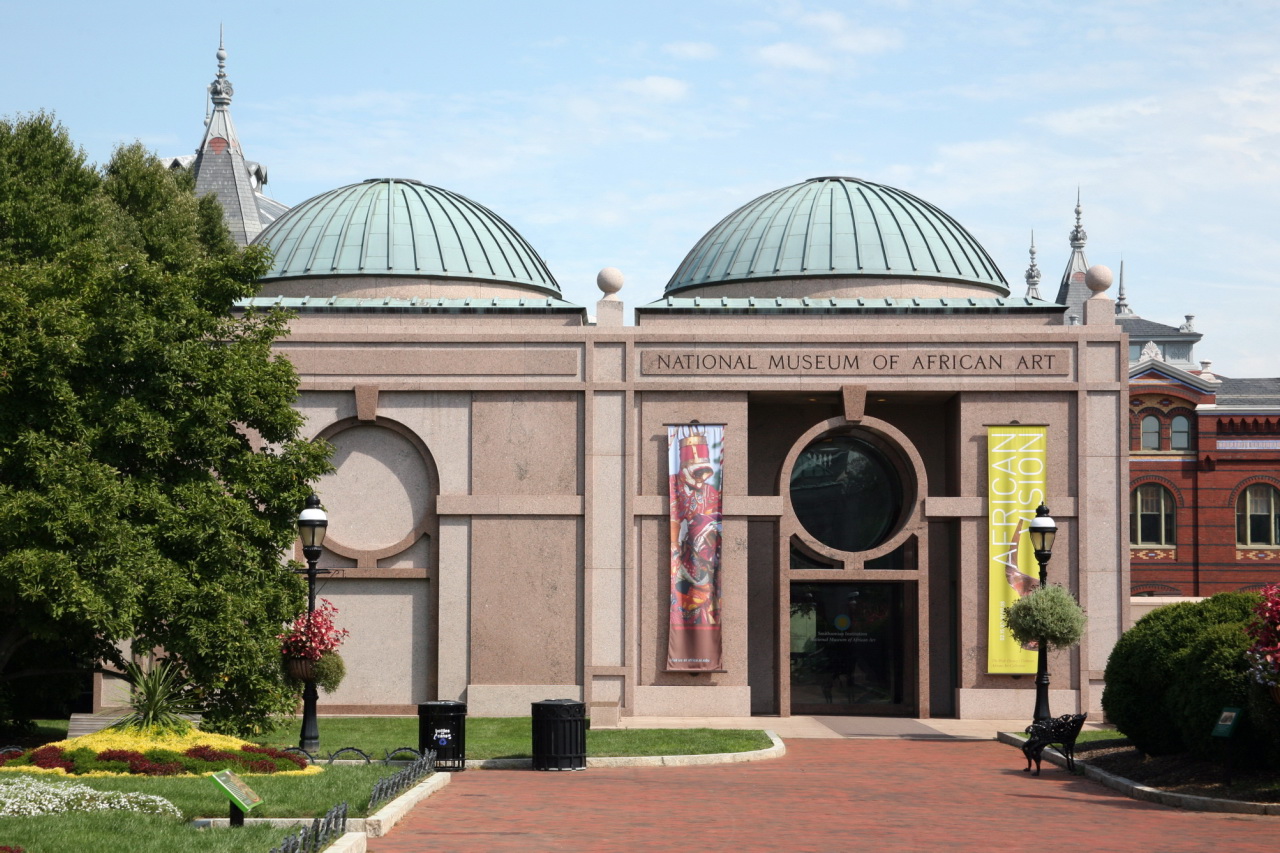
The Smithsonian’s National Museum of African Art announced a new exhibit that spotlights its permanent artworks and celebrates their impact on the art world.
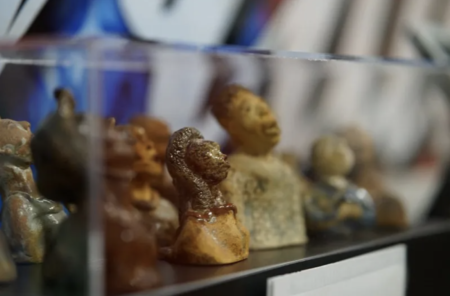
Titled “New & Now: A Decade Building the National Collection of African Art,” the exhibit will open on Nov. 6 and run on an ongoing basis. It will celebrate the 13,000 objects, including sculptures, paintings, photographs, pottery, fashion, and other media, in its collection.
The National Museum of African Art is currently the only museum in the U.S. to house an expansive collection of art from African countries. Some of the artists represented include Thania Petersen, Beya Gille Gacha, Pamina Sebastião, Adebunmi Gbadebo, Wangechi Mutu and Damien Ajavon.
The artwork in their collection spans as far back as the 10th century with a wooden bowl made by the Lozi king Lewanika. Through their collection, the National Museum of African Art has started conversations on supporting African creativity. The exhibit will also celebrate culture.
“The provenance research displayed in ‘New & Now’ explains how we collect with a holistic mindset and with respect for our collections’ origins,” said the National Museum of African Art deputy director, Heran Sereke-Brhan. “As part of this work, we’re engaging with Africans on the continent and in the diaspora worldwide.”
Warren M. Robbins established the National Museum of African Art in 1964. Robbins was an art collector and a former cultural affairs officer for the Department of State. Robbins first obtained a piece of African Art in the 1950s at an antique shop in Hamburg, Germany. By the next year, he had 32 other wooden figures to add to his collection.
Inspired by the Civil Rights Movement, Robbins founded the National Museum of African Art as a privately funded museum. On October 5, 1978, the U.S. Congress adopted the museum as part of the Smithsonian through legislation to guarantee its longevity. By Aug. 13, 1979, when the transfer was complete, the museum included nearly 8,000 items, including items donated by photographer Eliot Elisofon.
In 1981, it was renamed the National Museum of African Art.
It was initially part of abolitionist Frederick Douglass’s Washington residence. By 1987, it reopened as part of the Quadrangle complex near the Smithsonian Institution Building.
Along with Robbins, Sylvia Williams, Roslyn Walker, Sharon Patton, Johnnetta Cole and Gus Casely-Hayford all served as the museum’s directors.