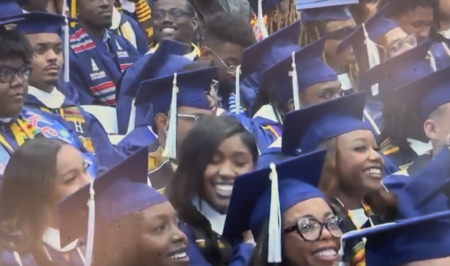





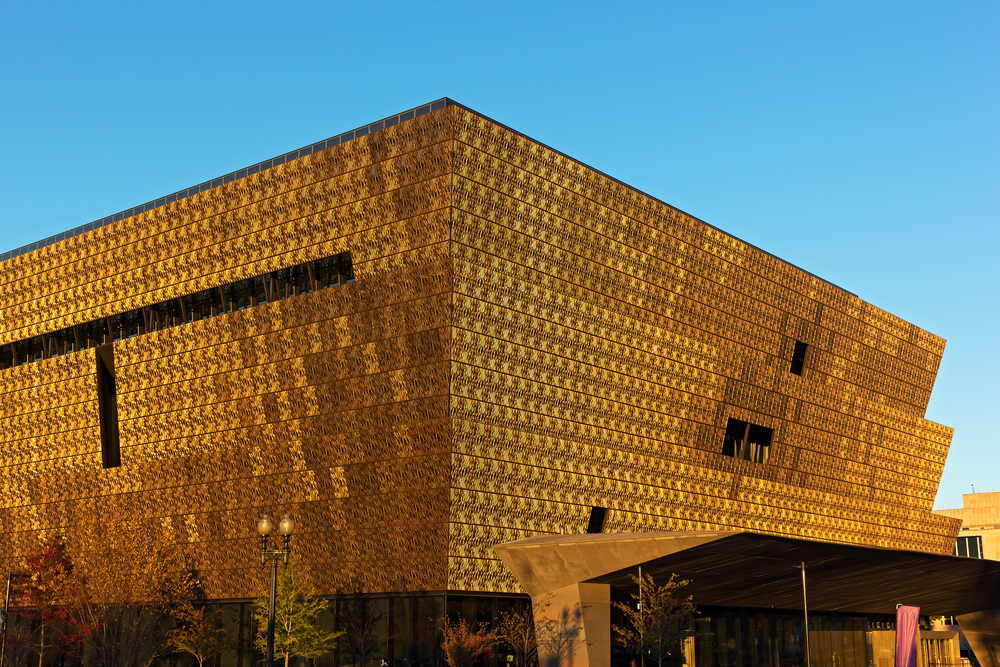
The National Museum of African American History and Culture recently launched a new exhibit celebrating HBCUs.
Open since Jan. 16 and set to run until July 19, the exhibit, titled “At the Vanguard: Making and Saving History at HBCUs,” commemorates the history of HBCUs. It showcases collections from five different HBCU archives and museums. These HBCUs include Tuskegee University, Texas Southern University, Jackson State University, Florida A&M University and Clark Atlanta University.
More than 100 objects will be featured in the exhibit. Items on display include first editions of writer Margaret Walker’s “Jubilee” and “For My People” as well as pottery. Artwork by artists such as Elizabeth Catlett, Renee Stout and Robert Pruitt as well as photographs by Earlie Hudnall Jr and Doris Derby are also included in the exhibit.
“At the Vanguard” will also focus on HBCU scientists, including Tuskegee’s George Washington Carver. Along with several scientific journals, the exhibit will play one of the earliest known color videos of Carver. Other footage featured includes the student uprising in Tuskegee and the reaction to the Jackson State Killings.
After its stay at the Smithsonian’s National Museum of African American History and Culture, “At the Vanguard” is expected to travel across the nation. It will be on display in five different locations until 2029.
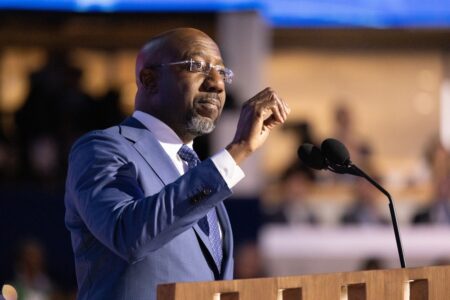
“This exhibition honors the legacy of HBCUs as cultural and educational powerhouses,” said Shanita Brackett, acting director for NMAAHC, per a press release. “Through these collections from our partner institutions, we see the breadth of Black intellectual excellence, activism and artistic achievement, reinforcing the vital role HBCUs play in shaping American history.”
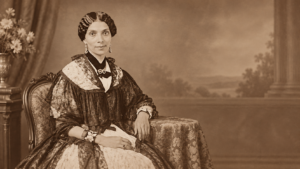
The history of HBCUs began in 1837 when Cheyney University opened its doors. Founded by philanthropist Richard Humphreys, the university was created to provide teaching education to Black Americans.
Supported by formerly enslaved people, organizations such as the African Methodist Episcopal Church and philanthropists, HBCUs provided primary, secondary and postsecondary education.
Following the passage of the second Morrill Act, the number of HBCUs expanded, creating 16 exclusively Black learning institutions.
More than 150 years later, approximately 99 HBCUs exist across the nation, actively enrolling just a little under 290,000 students as of 2022. Subjects available for studying at HBCUs include business, STEM, architecture, medicine, education and engineering.
Notable alumni who attended HBCUs include journalist Ida B. Wells, civil rights leader Rev. Dr. Martin Luther King Jr., director Spike Lee, sociologist W.E.B. Du Bois and politician Stacey Abrams.